Introduction
As Nintendo’s hardware cycle advances and conversations around a Nintendo Switch successor continue, a number of high-profile Nintendo Switch releases have not received formal “Switch 2” upgrade packs. This article surveys notable Switch-era titles — their developers, original release dates, and technical profiles on Nintendo Switch — to explain why performance-focused upgrades are frequently requested by players and industry observers.
Games still commonly discussed for upgrades
Pokémon series (Game Freak) — Many Pokémon titles on Nintendo Switch are developed by Game Freak (mainline titles) and have been widely noted for running with 30 frames-per-second targets on the console. Pokémon Legends: Arceus, developed by Game Freak and released on January 28, 2022, is frequently cited by players as a game that could benefit from smoother frame pacing for exploration and combat.
Kirby Star Allies (HAL Laboratory) — Kirby Star Allies launched on March 16, 2018, for Nintendo Switch. Developed by HAL Laboratory and published by Nintendo, it is praised for its visuals and co-op design but has been criticized by some players for performance dips on the original Switch hardware.
Fire Emblem: Three Houses and Fire Emblem Engage (Intelligent Systems and collaborators) — Fire Emblem: Three Houses released on July 26, 2019; Fire Emblem Engage released on January 20, 2023. Both tactical RPGs are major first-party franchises and have been played extensively on Switch hardware; some players have observed frame-rate variability in complex battles on portable hardware.
Luigi’s Mansion 3 (Next Level Games) — Developed by Next Level Games and released on October 31, 2019, Luigi’s Mansion 3 is frequently praised for its art direction and presentation. Next Level Games’ role in the series and the studio’s subsequent profile in Nintendo collaborations are verifiable parts of the title’s history.
Mario & Luigi: Brothership — The Mario & Luigi series historically originated with AlphaDream; entries on Switch continue that RPG lineage in visual style and design. Performance issues have been raised by players in community discussion for some recent entries on Switch hardware.
Paraphrased commentary (rewritten statements)
Observers have noted that Nintendo’s early upgrade efforts have tended to favor large role-playing titles, leaving platformers and action-oriented first-party entries less represented in upgrade programs. Commentators argue that while RPGs often receive content-focused re-releases, other genres could benefit significantly from technical updates — notably higher frame rates and improved stability for handheld play.
Technical and platform context
All titles discussed were designed for the Nintendo Switch family of hardware and are available via retail and Nintendo eShop distribution. Many were developed or published by Nintendo and its frequent partners (Game Freak, HAL Laboratory, Next Level Games, Intelligent Systems). Release dates cited above are verifiable milestones in each game’s platform history.
Conclusion
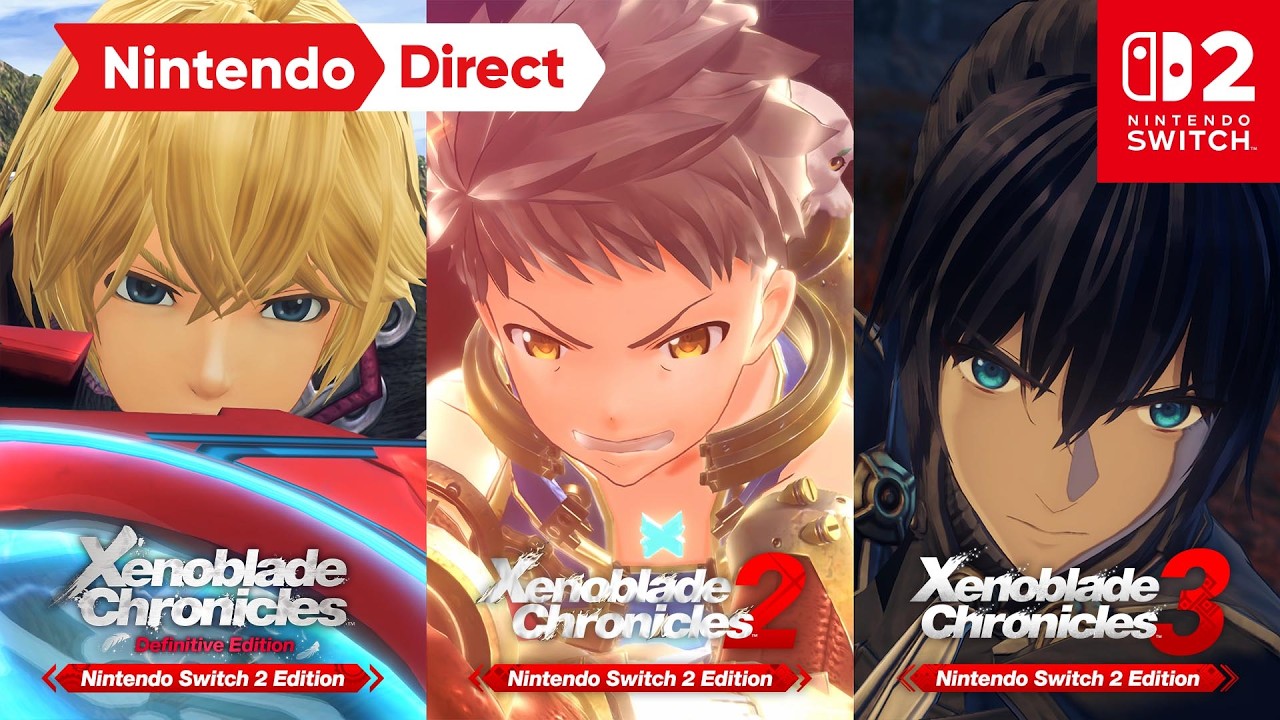
For players and developers alike, technical upgrades such as frame-rate and resolution improvements remain tangible ways to extend the lifespan of Switch-era games. Whether through official upgrade packs announced via Nintendo Direct or eShop re-releases, these titles continue to generate community interest for enhanced editions.
Nintendo Switch 2 Editions: High-Profile Switch Games Still Missing Upgrades
Nintendo News Hub

Game Pages Mentioned In This Article
Use these Nintendo Switch game pages to keep exploring the titles connected to this story, including related genres, developers, screenshots, and more coverage.
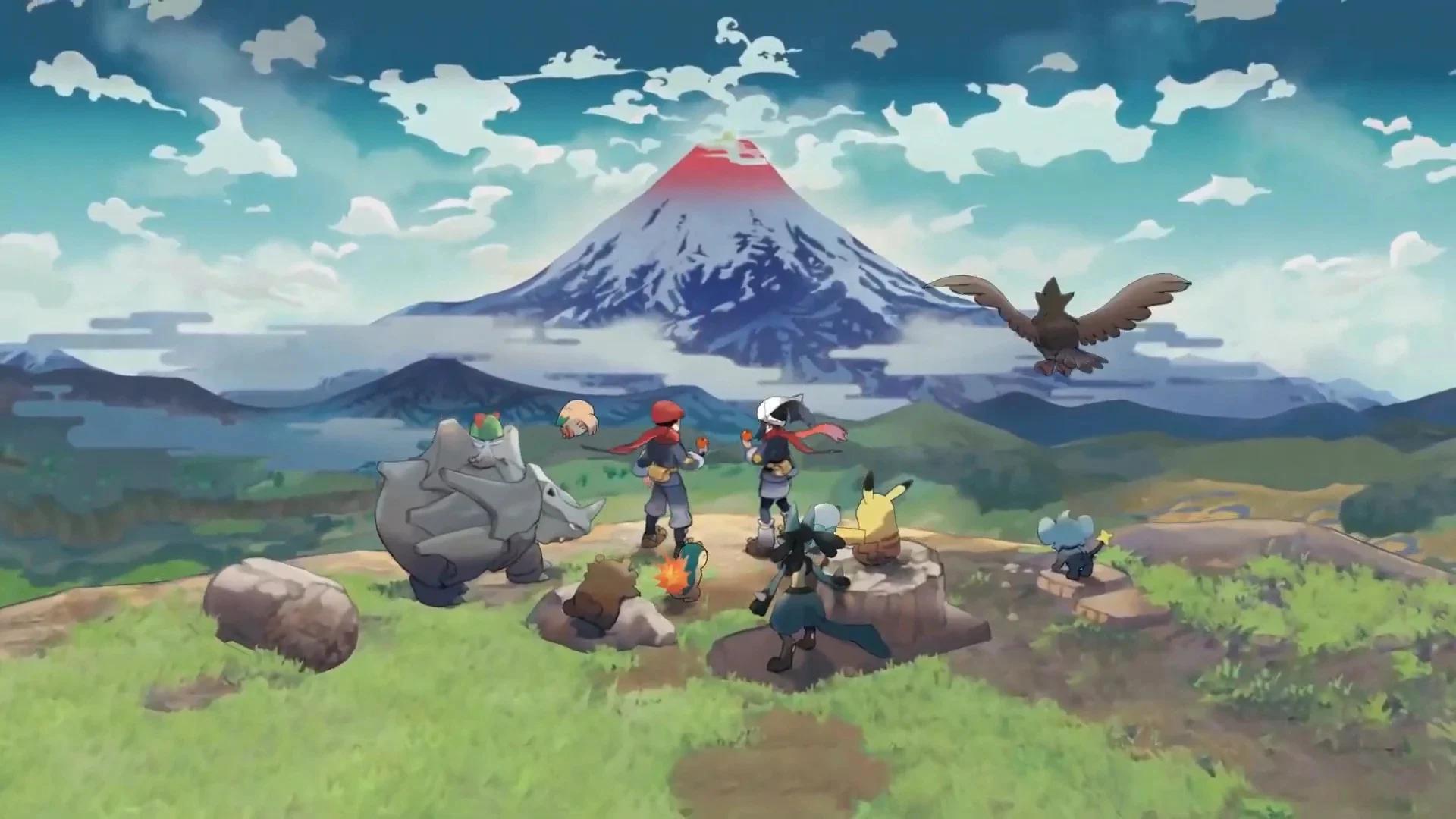
Pokémon Legends: Arceus
Game Freak · Action · 2022
View game page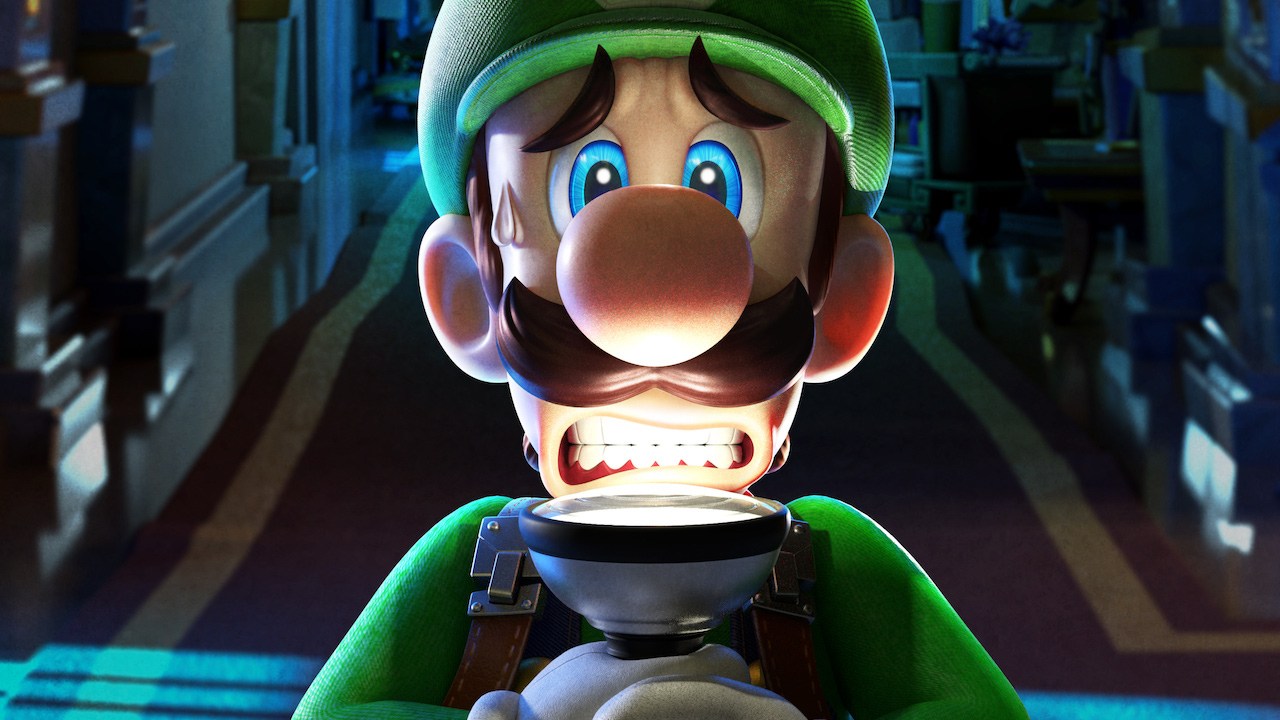
Luigi's Mansion 3
Nintendo · Action · 2019
View game page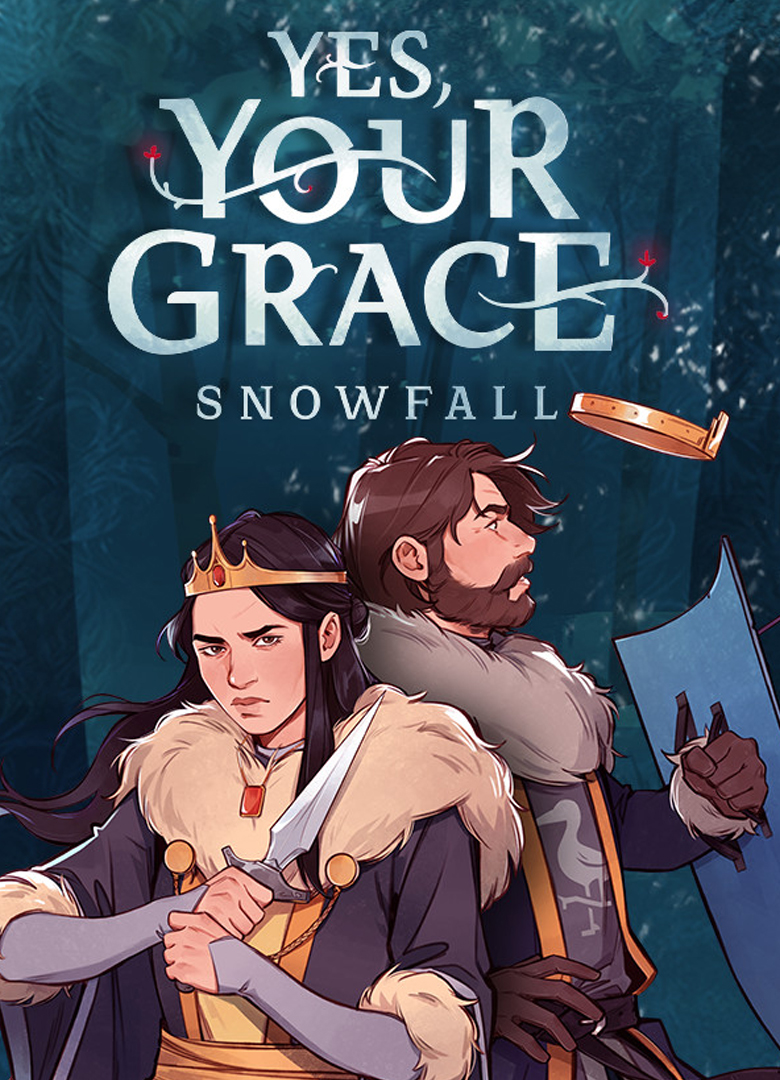
Yes, Your Grace: Snowfall
Brave At Night · Strategy · 2025
View game page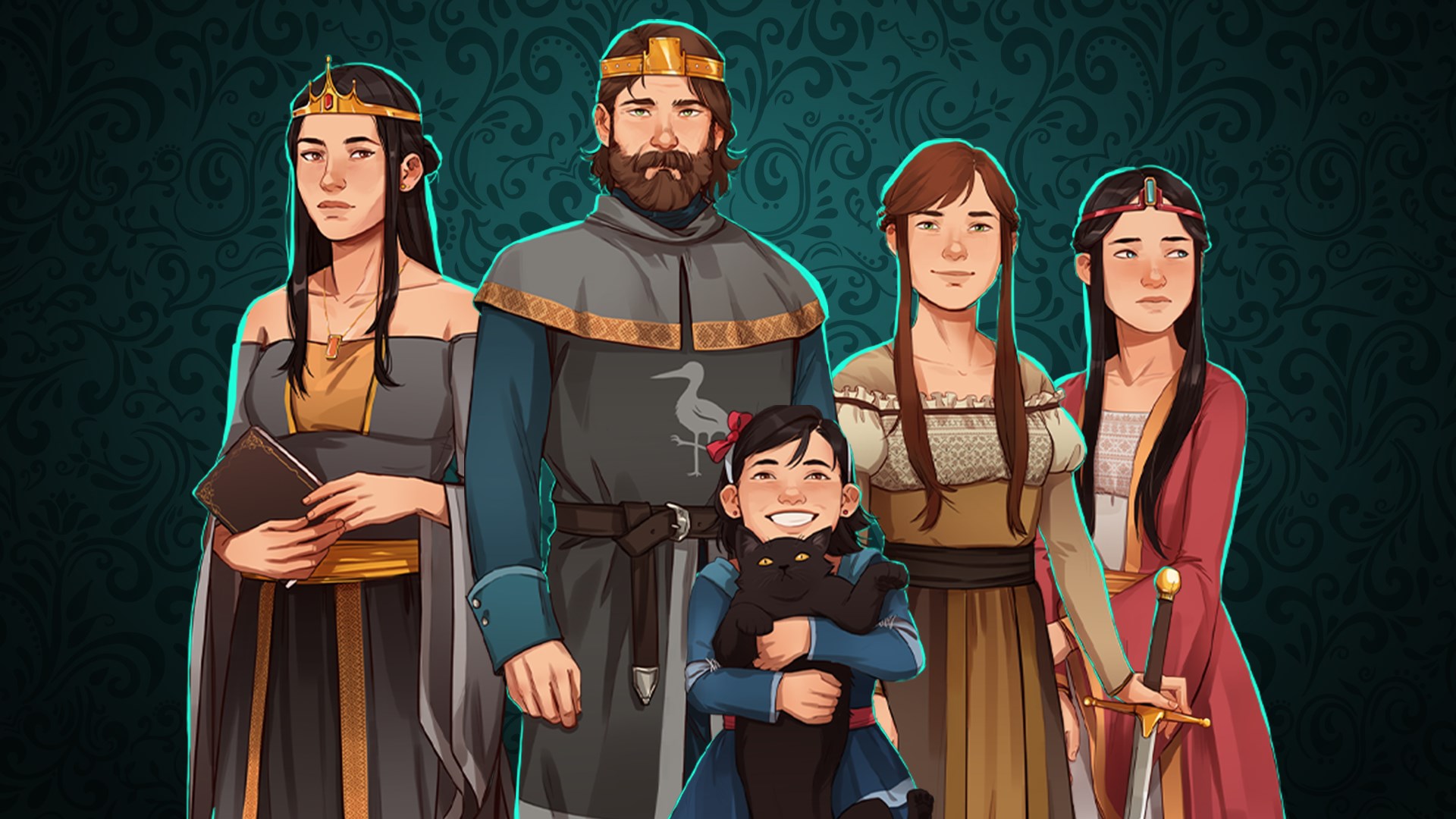
Yes, Your Grace
Brave At Night · Strategy · 2020
View game page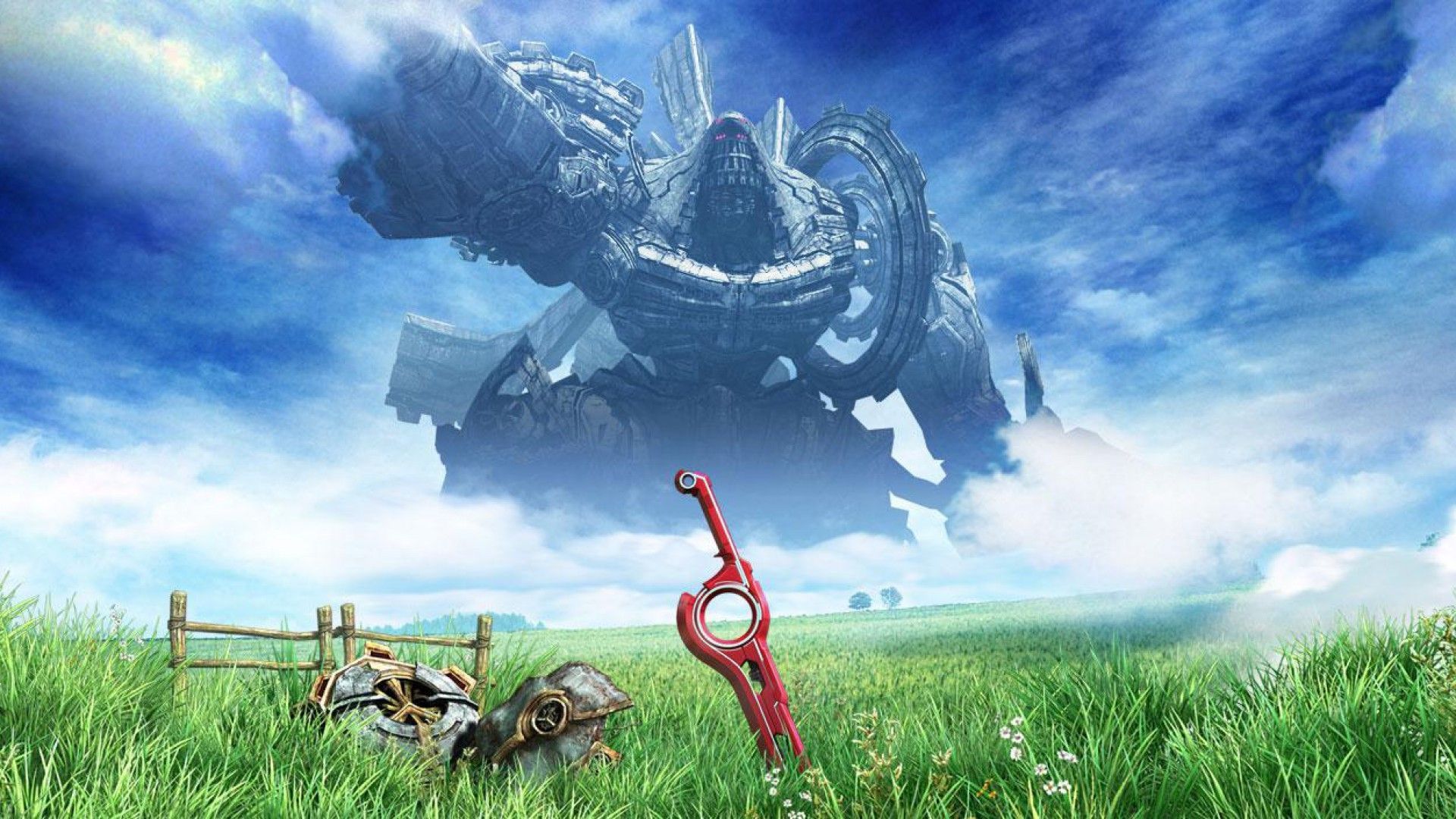
Xenoblade Chronicles: Definitive Edition
RPG · 2020
View game page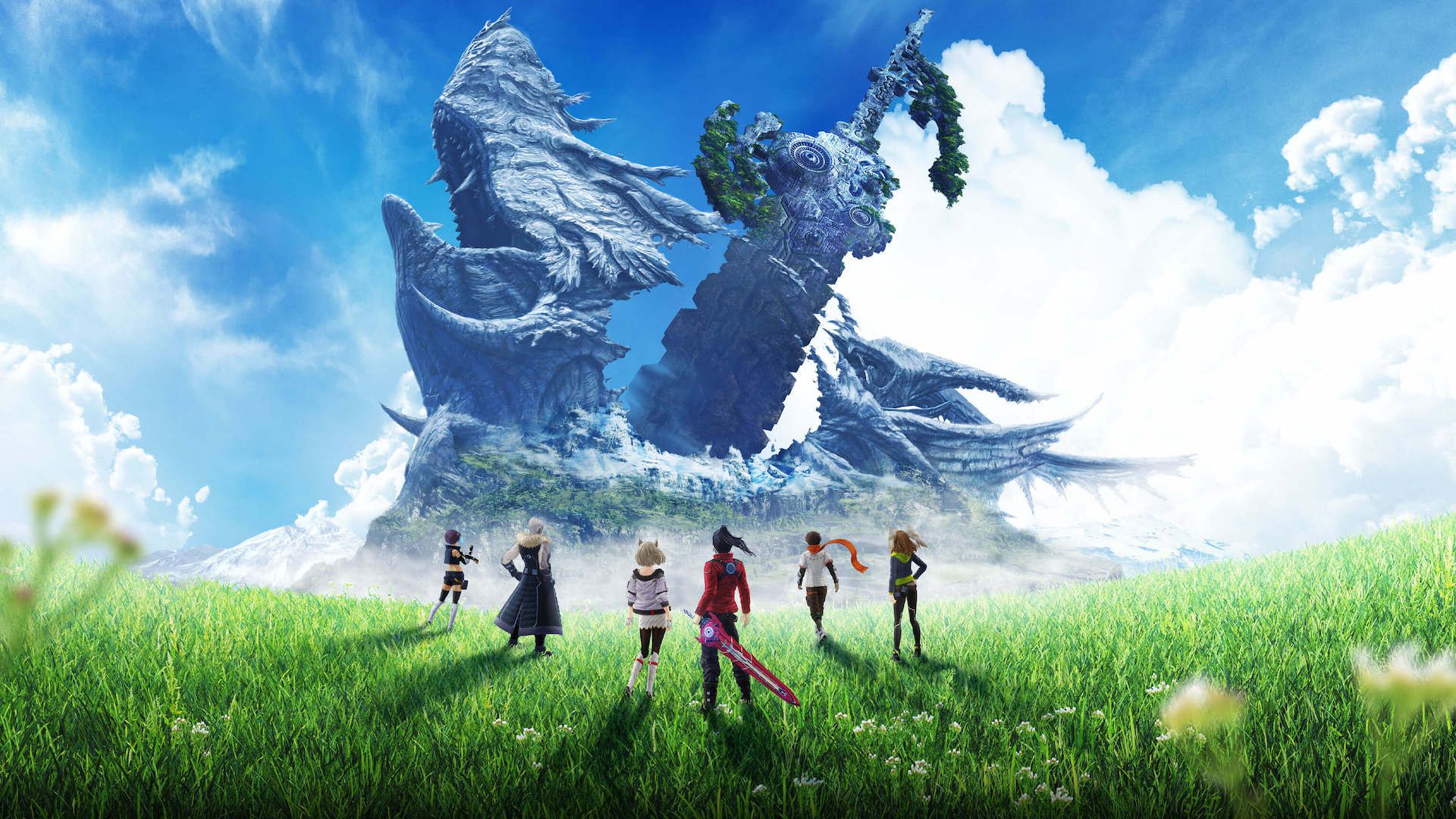
Xenoblade Chronicles 3
Monolith Soft · RPG · 2022
View game pageRelated Topics
Explore more articles about these topics:
Source: NintendoEverything