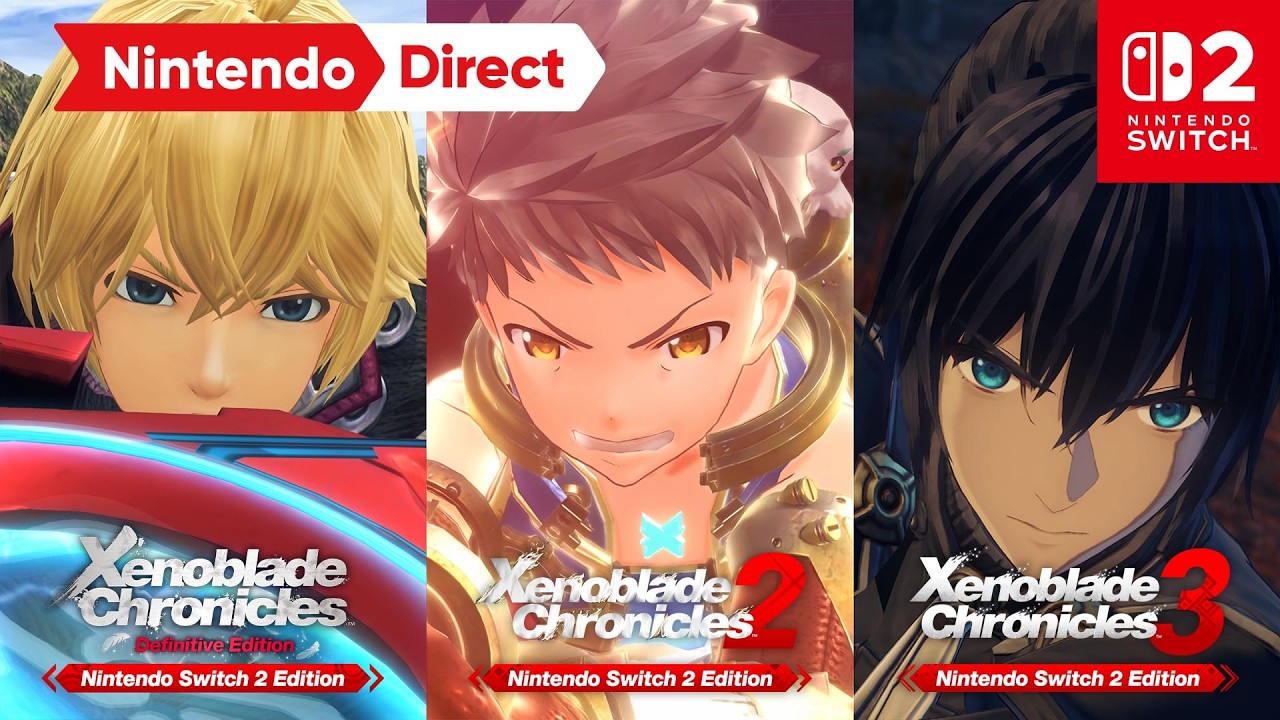
The phrase "Switch 2 Editions" has entered conversations among players and press as shorthand for upgraded or reissued Nintendo Switch titles that receive enhanced performance and visual updates on successor hardware.
For clarity: as of June 2024, Nintendo had not formally announced a successor branded "Nintendo Switch 2." Still, the industry practice of releasing "Definitive," "Deluxe," or otherwise enhanced editions—often announced via Nintendo Direct and sold through the Nintendo eShop—has created expectations around how publishers will treat legacy games when new hardware arrives.
Historically, Nintendo and third-party developers have repackaged and upgraded games for the Switch in a variety of ways.
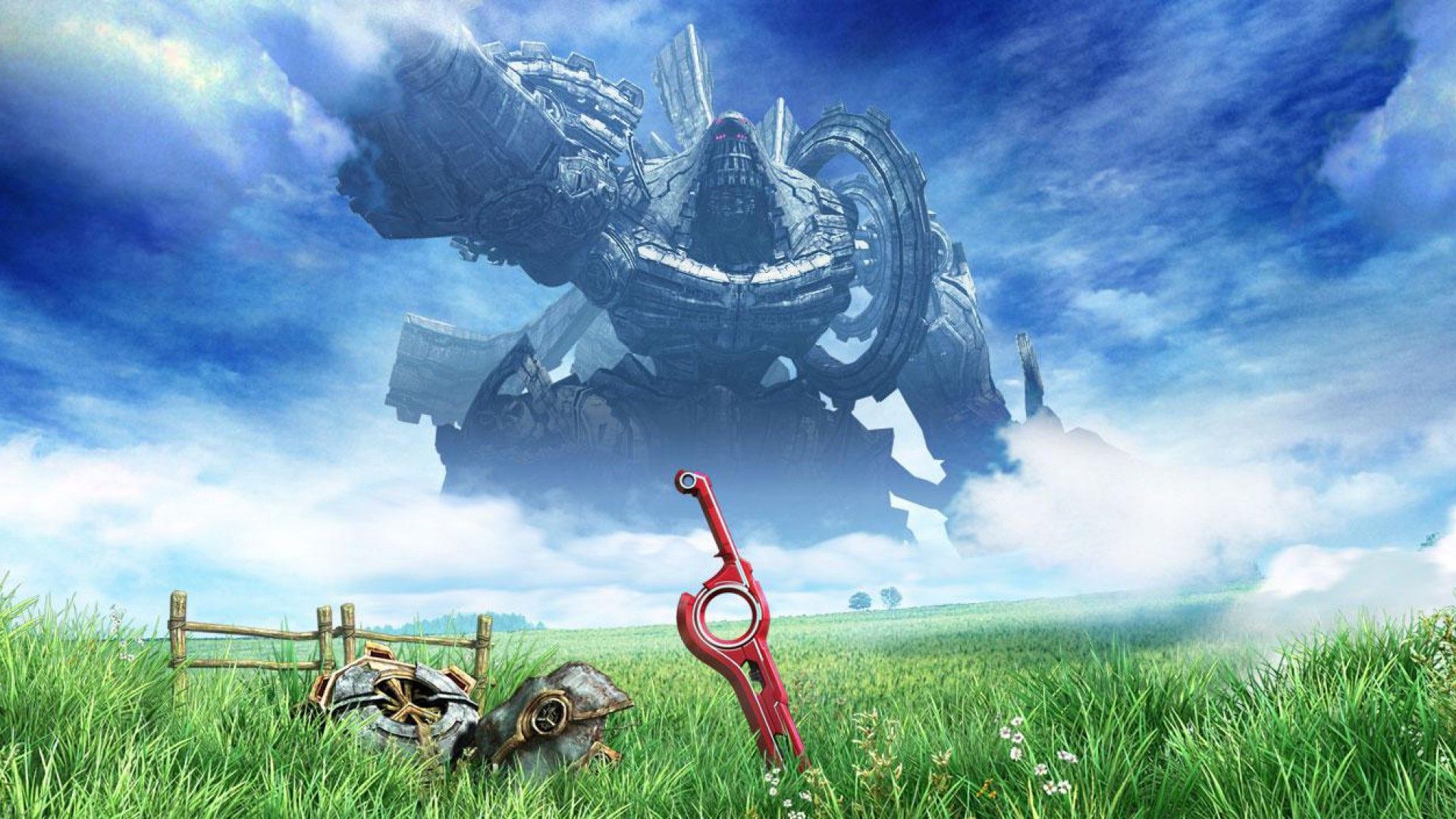
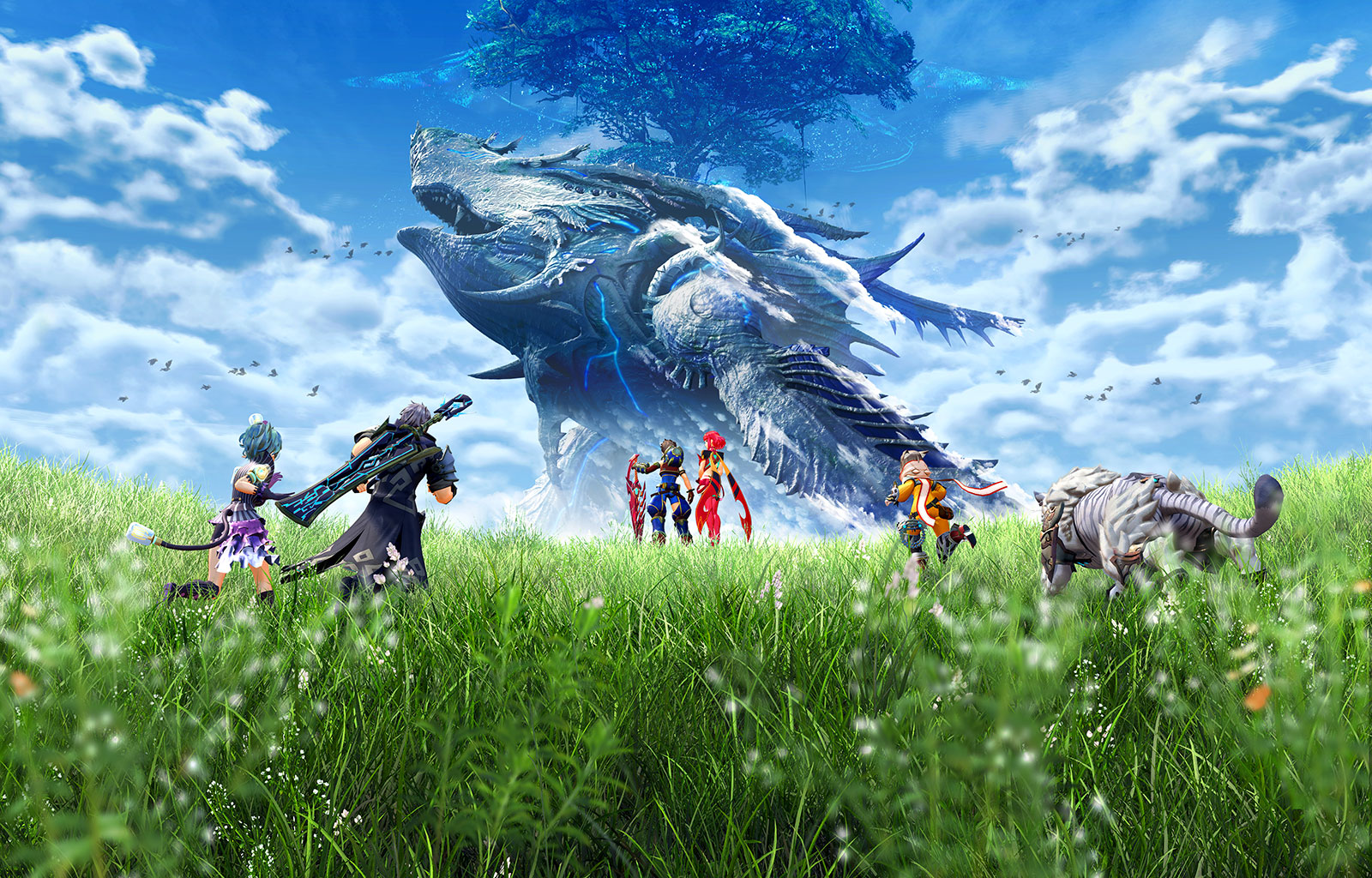
Verified examples include Xenoblade Chronicles: Definitive Edition (Monolith Soft, released May 29, 2020) and Super Mario 3D World + Bowser's Fury (Nintendo EPD, released February 12, 2021), both of which re-released existing content with technical improvements and in some cases new content.
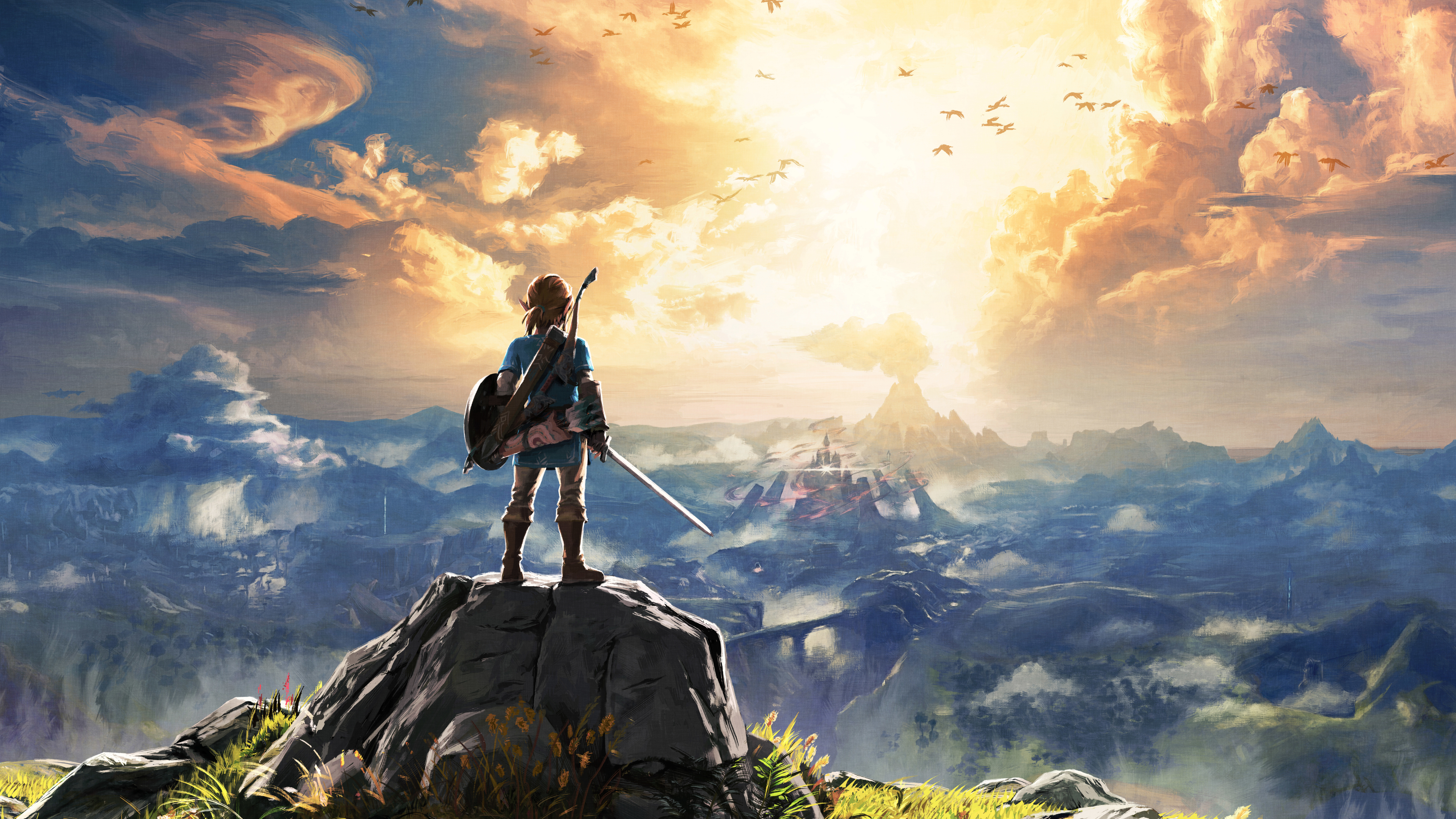
Other high-profile Switch releases that illustrate the platform's library strategy include Splatoon 3 (Nintendo EPD, released September 9, 2022), Animal Crossing: New Horizons (Nintendo EPD, released March 20, 2020), Pokémon Scarlet and Violet (Game Freak, released November 18, 2022), Kirby and the Forgotten Land (HAL Laboratory, released March 25, 2022), and The Legend of Zelda: Tears of the Kingdom (Nintendo EPD, released May 12, 2023).
Industry observers have pointed out a consistent point of friction: labeling and pricing for enhanced or next-generation upgrades are not standardized.
Paraphrasing that criticism in journalistic terms: industry watchers say there is an inconsistency in how upgrades are presented—some titles receive free technical patches without "edition" branding, while others are released or sold as distinct enhanced editions even when the changes are primarily performance or resolution improvements.
This mix of free updates, paid re-releases, and full "Definitive" editions has precedents across the industry.
Developers and publishers choose different paths depending on development cost, the amount of new content, and business models.
For readers tracking future announcements, Nintendo Direct broadcasts and the Nintendo eShop remain the primary channels for official upgrade information and release details.
Given Nintendo's history of re-releases and the commercial success of Switch software, expect continued debate over how best to label and price enhanced editions as hardware and software evolve.
For clarity: as of June 2024, Nintendo had not formally announced a successor branded "Nintendo Switch 2." Still, the industry practice of releasing "Definitive," "Deluxe," or otherwise enhanced editions—often announced via Nintendo Direct and sold through the Nintendo eShop—has created expectations around how publishers will treat legacy games when new hardware arrives.
Historically, Nintendo and third-party developers have repackaged and upgraded games for the Switch in a variety of ways.
Verified examples include Xenoblade Chronicles: Definitive Edition (Monolith Soft, released May 29, 2020) and Super Mario 3D World + Bowser's Fury (Nintendo EPD, released February 12, 2021), both of which re-released existing content with technical improvements and in some cases new content.
Other high-profile Switch releases that illustrate the platform's library strategy include Splatoon 3 (Nintendo EPD, released September 9, 2022), Animal Crossing: New Horizons (Nintendo EPD, released March 20, 2020), Pokémon Scarlet and Violet (Game Freak, released November 18, 2022), Kirby and the Forgotten Land (HAL Laboratory, released March 25, 2022), and The Legend of Zelda: Tears of the Kingdom (Nintendo EPD, released May 12, 2023).
Industry observers have pointed out a consistent point of friction: labeling and pricing for enhanced or next-generation upgrades are not standardized.
Paraphrasing that criticism in journalistic terms: industry watchers say there is an inconsistency in how upgrades are presented—some titles receive free technical patches without "edition" branding, while others are released or sold as distinct enhanced editions even when the changes are primarily performance or resolution improvements.
This mix of free updates, paid re-releases, and full "Definitive" editions has precedents across the industry.
Developers and publishers choose different paths depending on development cost, the amount of new content, and business models.
For readers tracking future announcements, Nintendo Direct broadcasts and the Nintendo eShop remain the primary channels for official upgrade information and release details.
Given Nintendo's history of re-releases and the commercial success of Switch software, expect continued debate over how best to label and price enhanced editions as hardware and software evolve.