
A community developer has published a Dreamcast conversion of Cleopatra Fortune Plus, an arcade follow-up tied to Taito’s puzzle series, and says the project relied heavily on artificial intelligence for reverse engineering.
The work was reported by The Dreamcasty Junkyard and accompanied by technical notes on GitHub and a discussion thread on the Dreamcast Talk forums.
Background
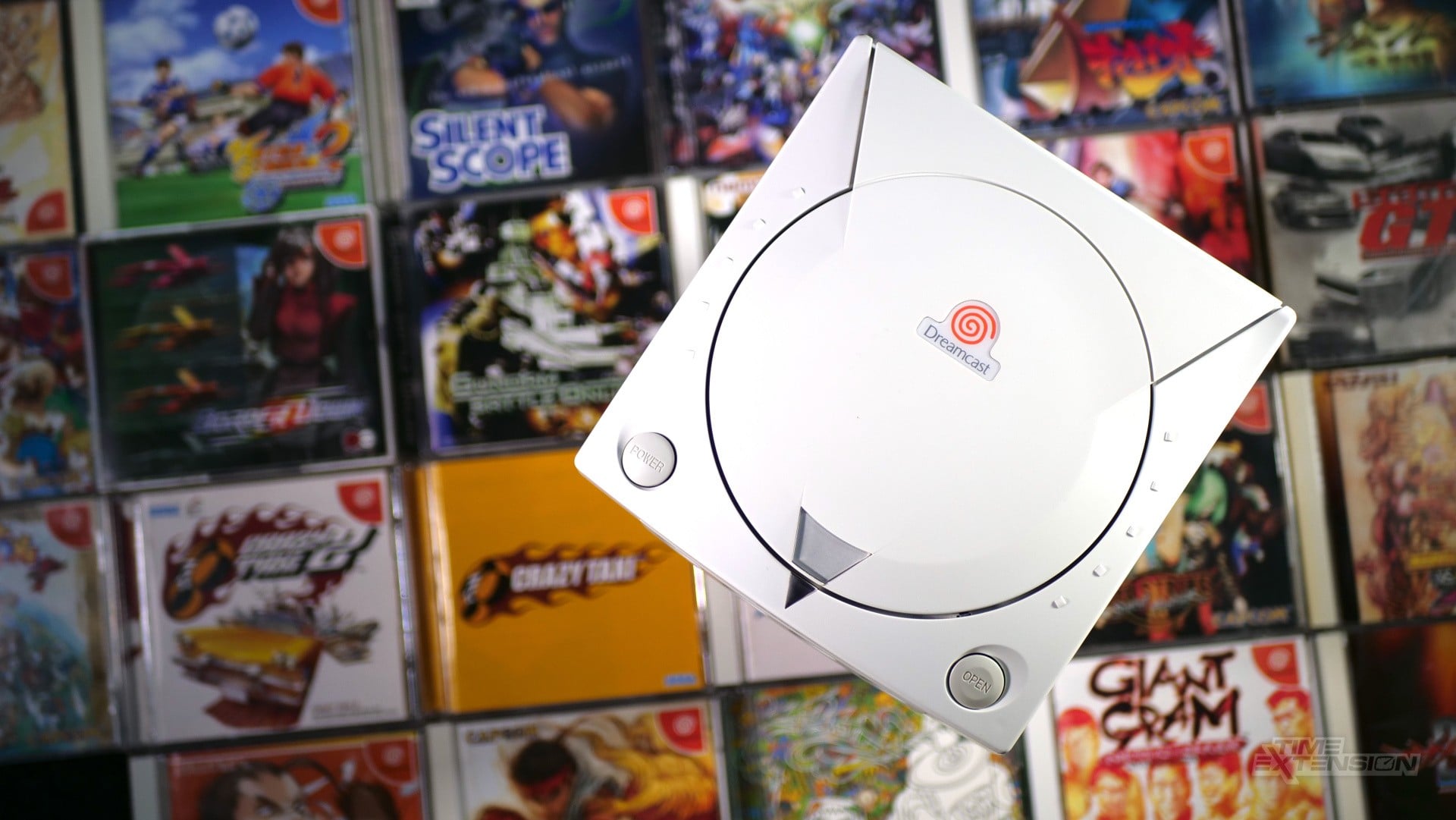
The Sega NAOMI arcade platform shares core architecture with the Sega Dreamcast console — a similarity that historically enabled many near-perfect arcade-to-console ports such as House of the Dead 2, Crazy Taxi, Zombie Revenge and Virtua Tennis.
The Dreamcast itself launched in Japan on November 27, 1998, and in North America on September 9, 1999, remaining a focal point for retro and homebrew communities long after Sega exited the hardware market.
What the developer says
Developer Nikita Belkovskiy, who publishes under the handle Captain Koffski, told community forums that current AI tooling handled most of the conversion work.
In plain terms, he explained that the AI performed the bulk of the reverse-engineering and porting steps, and his own role was limited to coordinating and testing the output on real Dreamcast hardware.
He also acknowledged limited personal expertise in low-level reverse engineering, describing the effort as an experiment to see whether modern models could manage such a complex task.
Technical approach and sources
Project documentation on GitHub indicates the process followed techniques used by the community for Atomiswave-to-Dreamcast conversions, with AI systems (noted in the repository as Claude Code) driving reverse engineering and format conversion, while a human operator performed the real-hardware test loop and validation.
Community write-ups and forum posts provide additional detail and build logs.
Outlook
Belkovskiy told forums he considers the project a success and is evaluating other relatively simple 2D Naomi-era titles as potential candidates for similar AI-assisted ports.
The work highlights how retro development communities are experimenting with AI tools to expand Dreamcast’s playable library, while documentation and GitHub resources remain the primary verifiable sources on methods and results.
The work was reported by The Dreamcasty Junkyard and accompanied by technical notes on GitHub and a discussion thread on the Dreamcast Talk forums.
Background
The Sega NAOMI arcade platform shares core architecture with the Sega Dreamcast console — a similarity that historically enabled many near-perfect arcade-to-console ports such as House of the Dead 2, Crazy Taxi, Zombie Revenge and Virtua Tennis.
The Dreamcast itself launched in Japan on November 27, 1998, and in North America on September 9, 1999, remaining a focal point for retro and homebrew communities long after Sega exited the hardware market.
What the developer says
Developer Nikita Belkovskiy, who publishes under the handle Captain Koffski, told community forums that current AI tooling handled most of the conversion work.
In plain terms, he explained that the AI performed the bulk of the reverse-engineering and porting steps, and his own role was limited to coordinating and testing the output on real Dreamcast hardware.
He also acknowledged limited personal expertise in low-level reverse engineering, describing the effort as an experiment to see whether modern models could manage such a complex task.
Technical approach and sources
Project documentation on GitHub indicates the process followed techniques used by the community for Atomiswave-to-Dreamcast conversions, with AI systems (noted in the repository as Claude Code) driving reverse engineering and format conversion, while a human operator performed the real-hardware test loop and validation.
Community write-ups and forum posts provide additional detail and build logs.
Outlook
Belkovskiy told forums he considers the project a success and is evaluating other relatively simple 2D Naomi-era titles as potential candidates for similar AI-assisted ports.
The work highlights how retro development communities are experimenting with AI tools to expand Dreamcast’s playable library, while documentation and GitHub resources remain the primary verifiable sources on methods and results.