

Introduction
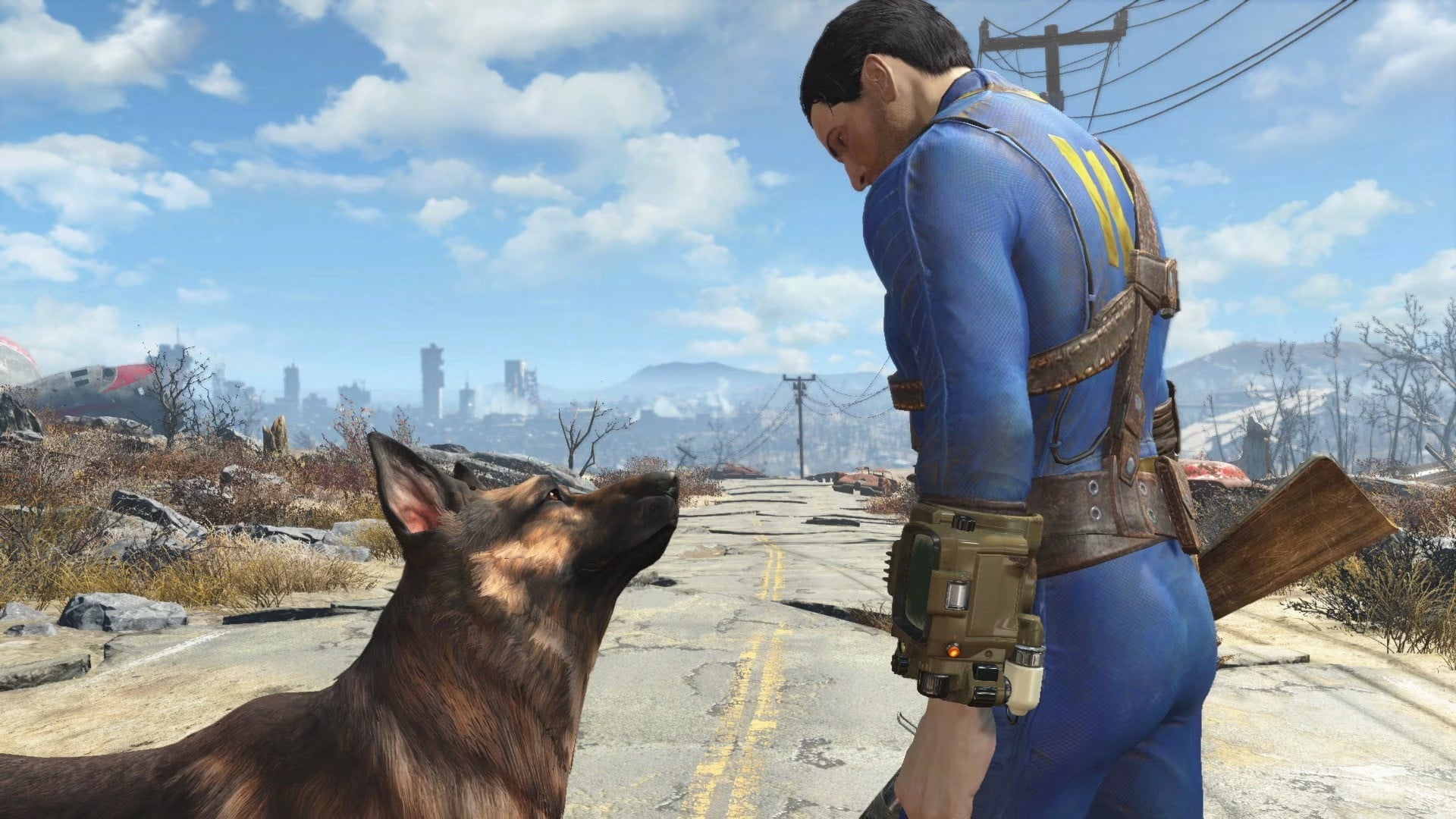
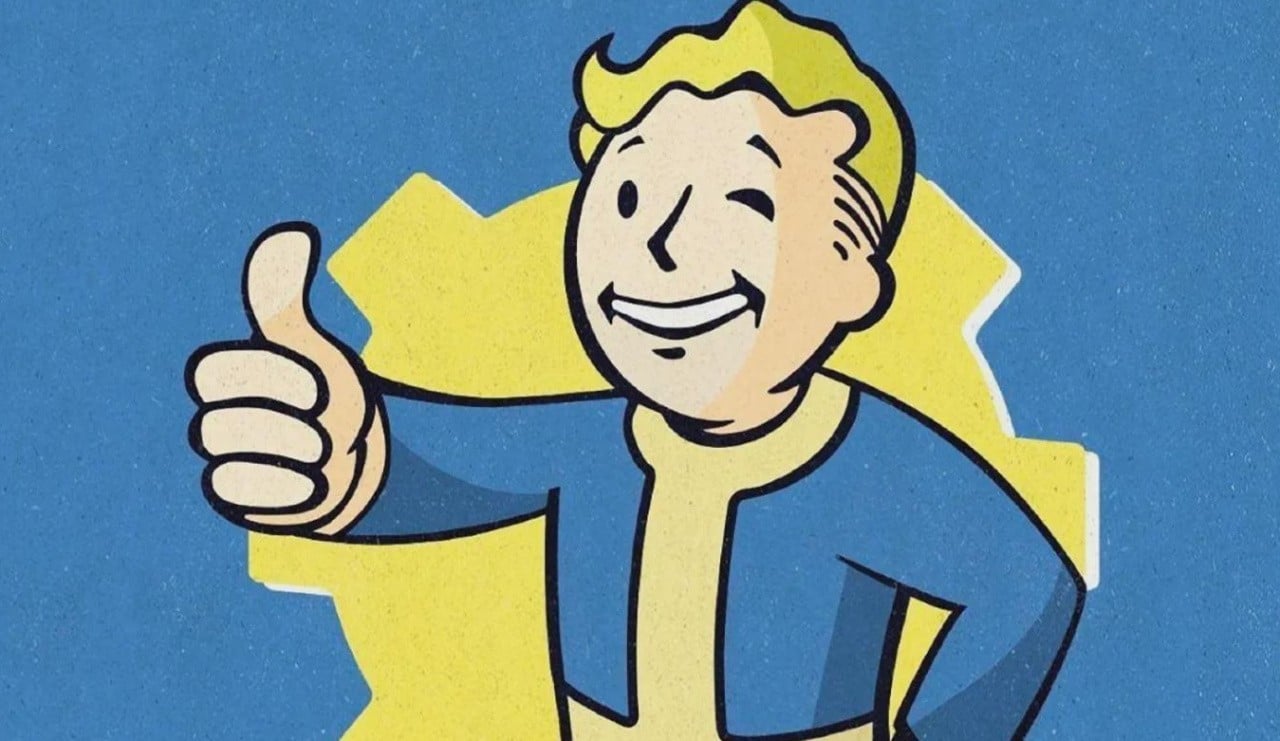
Vault Boy is one of gaming’s most recognizable mascots, first appearing in the original Fallout released in 1997.
In a new YouTube video titled The History Of Vault Boy, Fallout co-creator Tim Cain walks through the mascot’s origins and how the character became central to a franchise that has since expanded across PC and console platforms, inspired spin-offs, merchandise, and a wider cultural footprint.
Why Vault Boy Was Needed
Cain explains that early Fallout development used GURPS, the Generic Universal RolePlaying System licensed from Steve Jackson Games.
That system required icons for dozens of skills, advantages and disadvantages. 2D artist Arlene Somers produced many of those initial icons, but Cain says the small pictograms became difficult for players to link instantly to the traits they represented.
The team needed a clearer, more expressive visual shorthand.
How the Mascot Took Shape
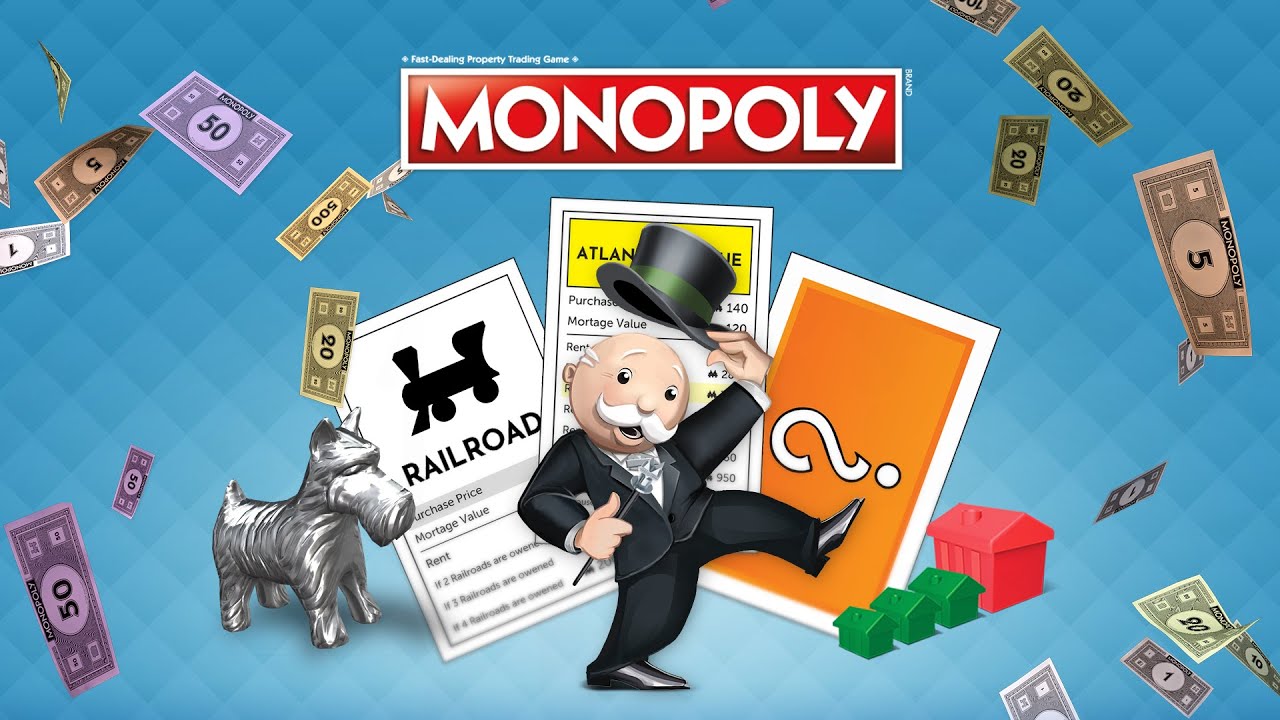
According to Cain, art director Leonard Boyarsky proposed introducing a single cartoon character who could act out attributes and conditions, an approach inspired in part by classic mascots such as Monopoly’s Rich Uncle Pennybags.
Boyarsky sketched the initial concept, which 3D artist George Almond then refined.
Artist T.
Ray Isaac subsequently produced hundreds of illustrated poses and scenes showing the character performing specific skills and suffering specific disadvantages.
Cain framed the creation as a collaborative, iterative process rather than the work of one person: the idea originated with one member of the team, was refined by others, and was finally implemented across the game’s UI and assets.
He says that as the design shifted away from literal icons, the cartoon character began to provide immediate clarity for players.
From GURPS to S.P.E.C.I.A.L.
Cain also recounts the well-documented shift away from GURPS following objections from Steve Jackson Games.
Interplay replaced the licensed tabletop rules with the original S.P.E.C.I.A.L. system, which became a franchise mainstay and was later used in Bethesda’s Fallout titles after the studio acquired the IP in 2004.
S.P.E.C.I.A.L. and the Vault Boy illustrations both endured as defining elements of the series, appearing in later games and promotional materials.
Legacy and Artwork
Cain notes that subsequent Fallout releases used different artists to expand the Vault Boy lexicon: T.
Ray Isaac drew many of the original cartoons, while Brian Menze produced the set used in Fallout 2 and contributed work visible in later entries.
The Vault Boy approach—an expressive mascot conveying game mechanics—solved a practical UI problem and became intrinsic to Fallout’s mix of grim setting and satirical tone.
Where to Watch
Tim Cain’s video The History Of Vault Boy is available on YouTube and is part of a broader playlist of Fallout history videos he has produced.
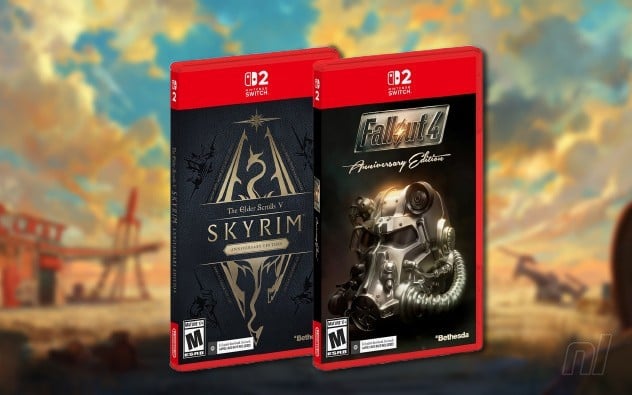
For players exploring the franchise across modern platforms, the Vault Boy remains a consistent visual touchstone—from classic PC releases to the wider series presence on consoles and storefronts such as the Nintendo eShop.
Vault Boy is one of gaming’s most recognizable mascots, first appearing in the original Fallout released in 1997.
In a new YouTube video titled The History Of Vault Boy, Fallout co-creator Tim Cain walks through the mascot’s origins and how the character became central to a franchise that has since expanded across PC and console platforms, inspired spin-offs, merchandise, and a wider cultural footprint.
Why Vault Boy Was Needed
Cain explains that early Fallout development used GURPS, the Generic Universal RolePlaying System licensed from Steve Jackson Games.
That system required icons for dozens of skills, advantages and disadvantages. 2D artist Arlene Somers produced many of those initial icons, but Cain says the small pictograms became difficult for players to link instantly to the traits they represented.
The team needed a clearer, more expressive visual shorthand.
How the Mascot Took Shape
According to Cain, art director Leonard Boyarsky proposed introducing a single cartoon character who could act out attributes and conditions, an approach inspired in part by classic mascots such as Monopoly’s Rich Uncle Pennybags.
Boyarsky sketched the initial concept, which 3D artist George Almond then refined.
Artist T.
Ray Isaac subsequently produced hundreds of illustrated poses and scenes showing the character performing specific skills and suffering specific disadvantages.
Cain framed the creation as a collaborative, iterative process rather than the work of one person: the idea originated with one member of the team, was refined by others, and was finally implemented across the game’s UI and assets.
He says that as the design shifted away from literal icons, the cartoon character began to provide immediate clarity for players.
From GURPS to S.P.E.C.I.A.L.
Cain also recounts the well-documented shift away from GURPS following objections from Steve Jackson Games.
Interplay replaced the licensed tabletop rules with the original S.P.E.C.I.A.L. system, which became a franchise mainstay and was later used in Bethesda’s Fallout titles after the studio acquired the IP in 2004.
S.P.E.C.I.A.L. and the Vault Boy illustrations both endured as defining elements of the series, appearing in later games and promotional materials.
Legacy and Artwork
Cain notes that subsequent Fallout releases used different artists to expand the Vault Boy lexicon: T.
Ray Isaac drew many of the original cartoons, while Brian Menze produced the set used in Fallout 2 and contributed work visible in later entries.
The Vault Boy approach—an expressive mascot conveying game mechanics—solved a practical UI problem and became intrinsic to Fallout’s mix of grim setting and satirical tone.
Where to Watch
Tim Cain’s video The History Of Vault Boy is available on YouTube and is part of a broader playlist of Fallout history videos he has produced.
For players exploring the franchise across modern platforms, the Vault Boy remains a consistent visual touchstone—from classic PC releases to the wider series presence on consoles and storefronts such as the Nintendo eShop.