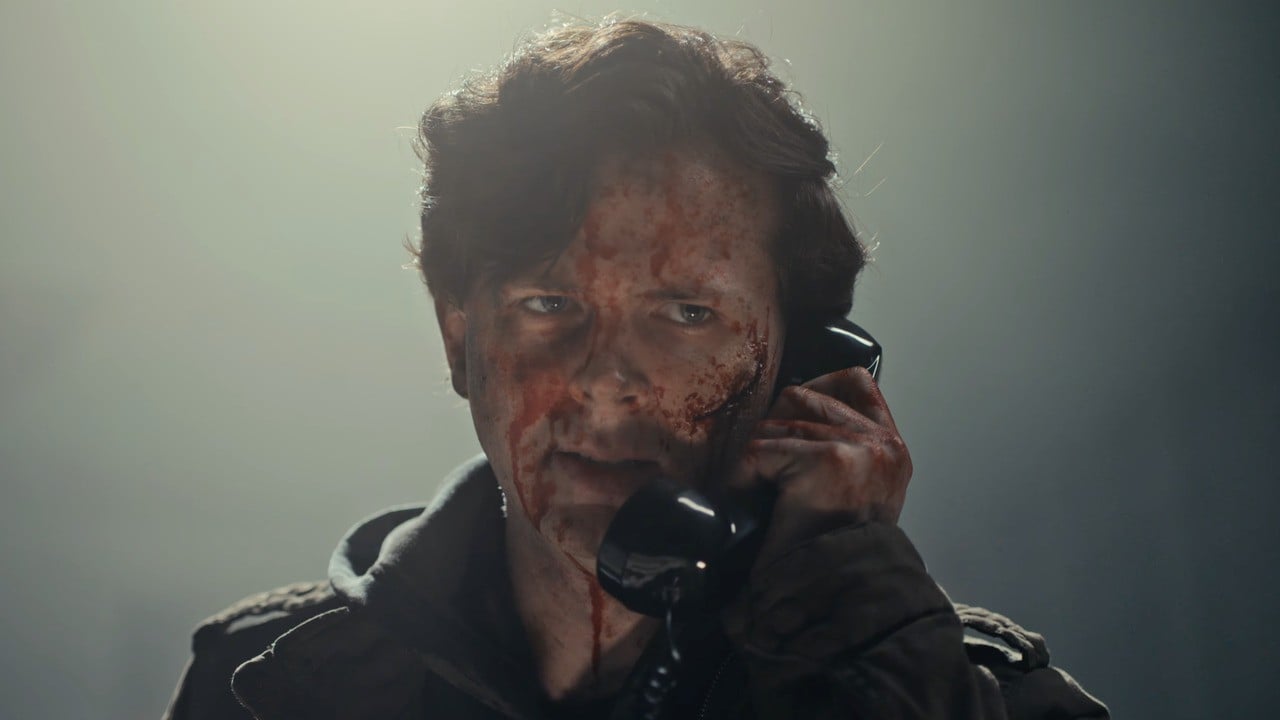
Chandler Riggs, the actor widely recognized for his role as Carl Grimes on AMC's The Walking Dead, has released a non-commercial short film inspired by Resident Evil 7: Biohazard in collaboration with Spook Fest Films.
Riggs served as the project's writer, director, editor and lead actor.
The short, which runs roughly 20 minutes, was shot in Tampa Bay and aims to showcase the region as a production-friendly location.
Production and intent
Riggs and Spook Fest Films have stated the short was not produced for profit but to promote Tampa Bay as "a strong, supportive, and experienced home for film productions." The team also confirmed that no artificial intelligence tools were used in the film's production and that the creators do not permit the work to be used to train AI systems.
Visuals and fidelity to the source material
Reviewing coverage of the release, commentators note the short leans heavily on the events and tone of Resident Evil 7: Biohazard.
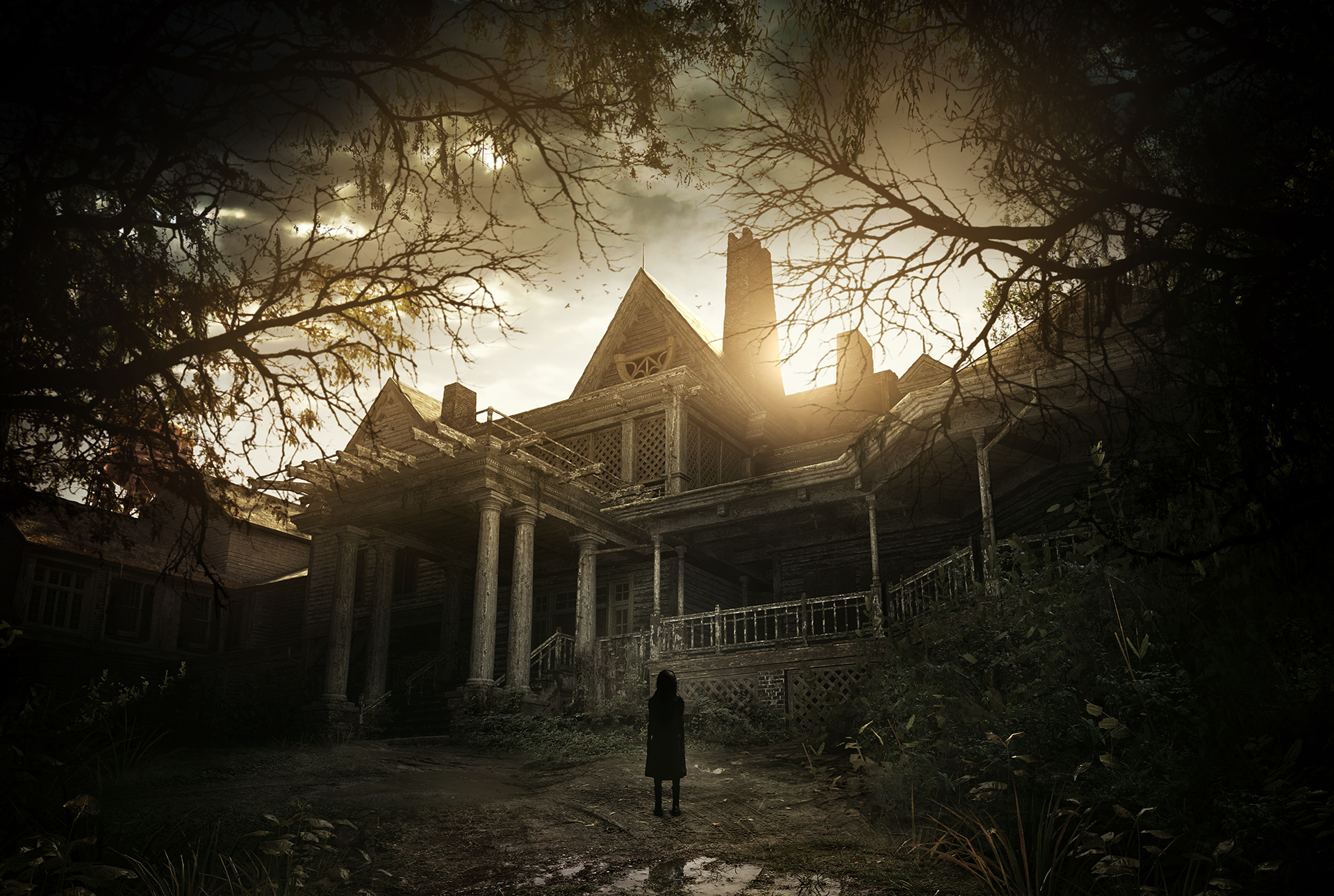
While opinions vary on whether strict fidelity helps or hinders the short, the production design drew consistent praise: the crew converted the Arturo Fuente cigar factory in Tampa Bay into an approximation of the game's Baker estate, and many observers singled out the visuals as the project's strongest asset.
Context within recent Resident Evil adaptations
The short lands in a year that also saw a separate Resident Evil film from director Zach Cregger that starred Austin Abrams.
Abrams previously appeared alongside Riggs on The Walking Dead in season six as Ron Anderson; that character notably shot Riggs' Carl Grimes during the series.
The overlap has been highlighted by fans and outlets noting that both actors appeared in Resident Evil-related projects in the same year.
Reception and recommendations
Coverage describing the short called it "not perfect" but recommended it as a compact, faithful piece for fans of the game to experience.
At around 20 minutes, the short has been framed as a focused fan project: an exercise in practical production values, location work and faithful adaptation rather than a commercial or studio-backed reinterpretation.
For industry observers, the project offers a useful case study in small-team filmmaking, location-driven production, and the ongoing intersection between fan work and established IP.
Filmmakers and regional production offices may find particular interest in how a single location—Tampa Bay's Arturo Fuente facility—was transformed for period and atmosphere in service of a well-known horror property.
Riggs served as the project's writer, director, editor and lead actor.
The short, which runs roughly 20 minutes, was shot in Tampa Bay and aims to showcase the region as a production-friendly location.
Production and intent
Riggs and Spook Fest Films have stated the short was not produced for profit but to promote Tampa Bay as "a strong, supportive, and experienced home for film productions." The team also confirmed that no artificial intelligence tools were used in the film's production and that the creators do not permit the work to be used to train AI systems.
Visuals and fidelity to the source material
Reviewing coverage of the release, commentators note the short leans heavily on the events and tone of Resident Evil 7: Biohazard.
While opinions vary on whether strict fidelity helps or hinders the short, the production design drew consistent praise: the crew converted the Arturo Fuente cigar factory in Tampa Bay into an approximation of the game's Baker estate, and many observers singled out the visuals as the project's strongest asset.
Context within recent Resident Evil adaptations
The short lands in a year that also saw a separate Resident Evil film from director Zach Cregger that starred Austin Abrams.
Abrams previously appeared alongside Riggs on The Walking Dead in season six as Ron Anderson; that character notably shot Riggs' Carl Grimes during the series.
The overlap has been highlighted by fans and outlets noting that both actors appeared in Resident Evil-related projects in the same year.
Reception and recommendations
Coverage describing the short called it "not perfect" but recommended it as a compact, faithful piece for fans of the game to experience.
At around 20 minutes, the short has been framed as a focused fan project: an exercise in practical production values, location work and faithful adaptation rather than a commercial or studio-backed reinterpretation.
For industry observers, the project offers a useful case study in small-team filmmaking, location-driven production, and the ongoing intersection between fan work and established IP.
Filmmakers and regional production offices may find particular interest in how a single location—Tampa Bay's Arturo Fuente facility—was transformed for period and atmosphere in service of a well-known horror property.