Ron Gilbert, the visionary developer behind iconic games like Monkey Island and Maniac Mansion, has opened up about the financial hurdles that ultimately led to the cancellation of his latest, highly anticipated RPG project.
Known for shaping the adventure game landscape and influencing generations of gamers, Gilbert has enjoyed decades of critical and commercial success.
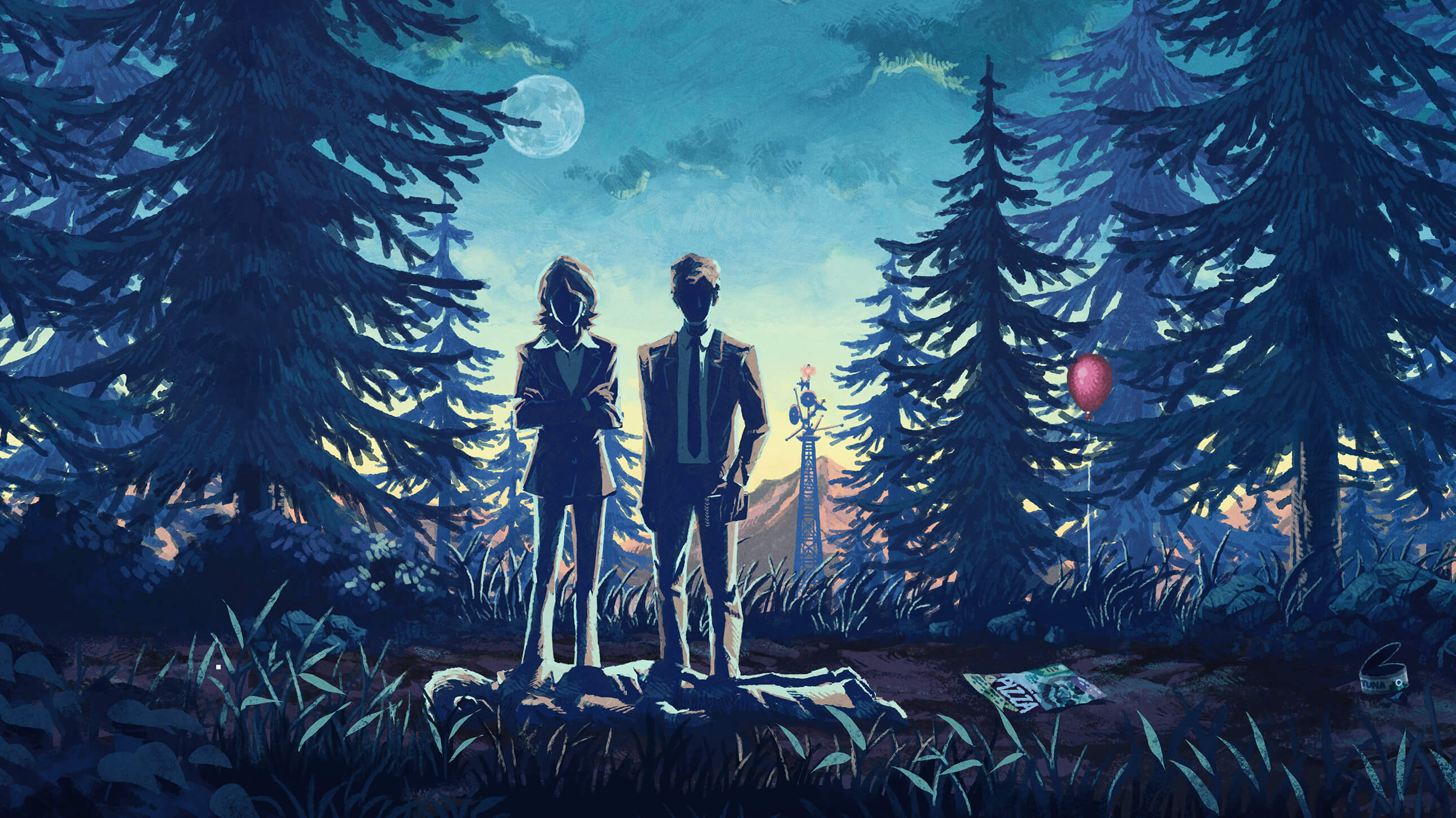
His legacy, built on titles such as Maniac Mansion, The Secret of Monkey Island, and Thimbleweed Park, continues to resonate, especially among experienced gamers familiar with Nintendo platforms such as the Nintendo Switch and eShop.
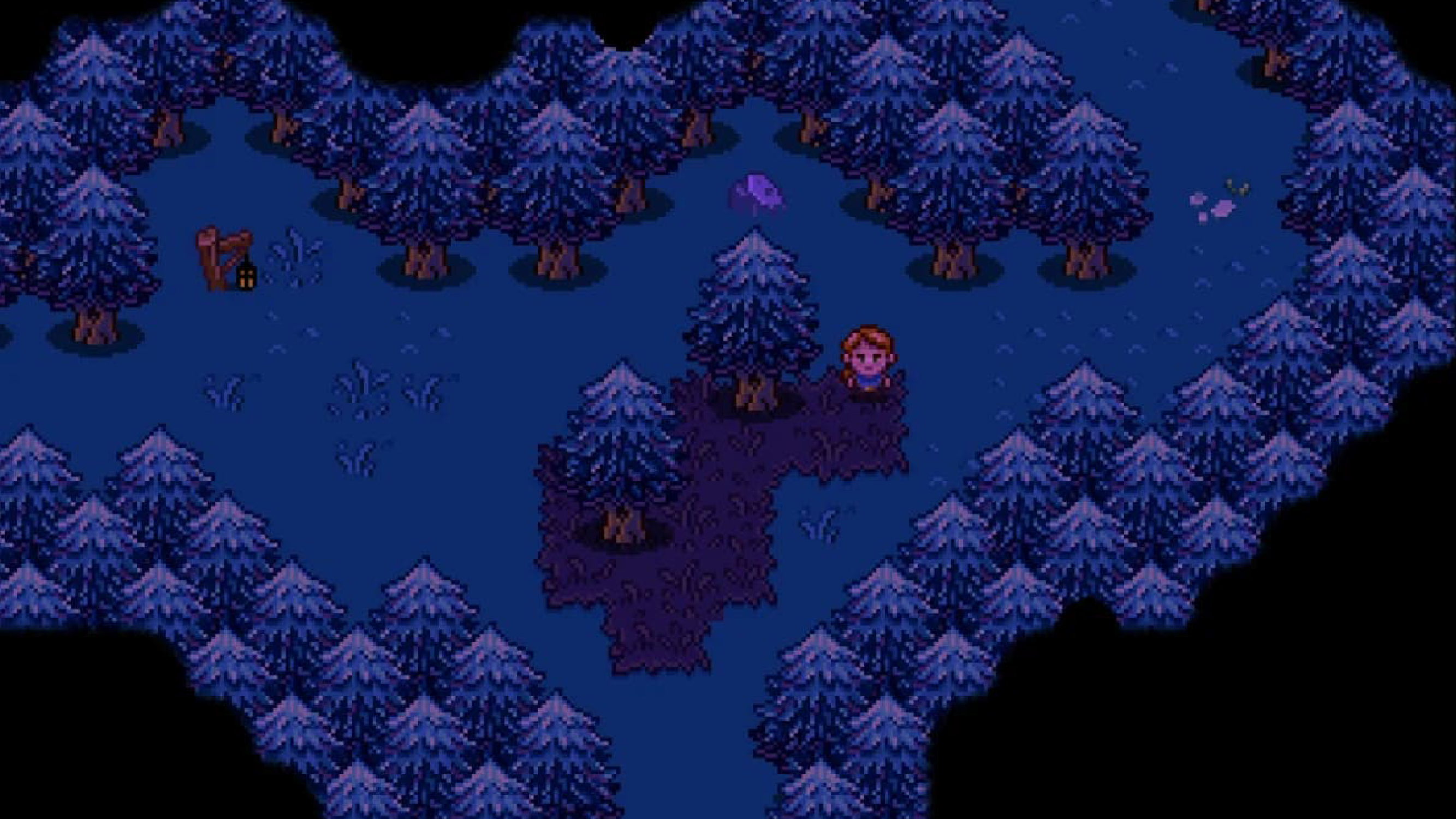
In early 2024, Gilbert announced the development of an untitled RPG described as "classic Zelda meets Diablo meets Thimbleweed Park," an ambitious project featuring an expansive open world, pixel art aesthetics, and an indie spirit.
Despite his celebrated track record, Gilbert encountered significant obstacles in the production phase, highlighted by a lack of meaningful publisher interest and insufficient financial resources to build a game of the intended scope.
Speaking candidly about the project's demise, Gilbert stated that he was unable to secure enough funding or time to develop such a large-scale open-world game.
He explained, "Building a game of this size demands substantial resources and a dedicated team, something that isn't feasible without the right investment." Gilbert further elaborated that publisher offers for the game fell far short of expectations, with many labeling traditional open-world RPGs as outdated or commercially risky.
Gilbert also noted a shift in the industry: "Publishers today are highly analytics-driven, relying heavily on predictive formulas to decide which games to support, often favoring trends and clear market bets over unique or unconventional ideas." This increasing reliance on data and analytics has led to a narrower variety of published content, a sentiment echoed by many players observing repetitive gaming trends on platforms like Nintendo Switch, Steam, and others.
The shelved RPG, intended to be a creative blend of classic Nintendo gameplay sensibilities and modern design influences, remains a testament to the challenges indie developers face when navigating an evolving industry landscape.
Fans of Ron Gilbert's previous works, especially those who cherish his contributions to the Nintendo ecosystem, may find the project's closure disappointing, but it also underscores the realities of game development and publishing decisions in today's market.
As the gaming community continues to demand fresh and diverse experiences, Gilbert’s experience highlights the ongoing tension between creative ambition and commercial viability—a balance that remains at the heart of the video game industry.
The full story was reported by Ars Technica.
Known for shaping the adventure game landscape and influencing generations of gamers, Gilbert has enjoyed decades of critical and commercial success.
His legacy, built on titles such as Maniac Mansion, The Secret of Monkey Island, and Thimbleweed Park, continues to resonate, especially among experienced gamers familiar with Nintendo platforms such as the Nintendo Switch and eShop.
In early 2024, Gilbert announced the development of an untitled RPG described as "classic Zelda meets Diablo meets Thimbleweed Park," an ambitious project featuring an expansive open world, pixel art aesthetics, and an indie spirit.
Despite his celebrated track record, Gilbert encountered significant obstacles in the production phase, highlighted by a lack of meaningful publisher interest and insufficient financial resources to build a game of the intended scope.
Speaking candidly about the project's demise, Gilbert stated that he was unable to secure enough funding or time to develop such a large-scale open-world game.
He explained, "Building a game of this size demands substantial resources and a dedicated team, something that isn't feasible without the right investment." Gilbert further elaborated that publisher offers for the game fell far short of expectations, with many labeling traditional open-world RPGs as outdated or commercially risky.
Gilbert also noted a shift in the industry: "Publishers today are highly analytics-driven, relying heavily on predictive formulas to decide which games to support, often favoring trends and clear market bets over unique or unconventional ideas." This increasing reliance on data and analytics has led to a narrower variety of published content, a sentiment echoed by many players observing repetitive gaming trends on platforms like Nintendo Switch, Steam, and others.
The shelved RPG, intended to be a creative blend of classic Nintendo gameplay sensibilities and modern design influences, remains a testament to the challenges indie developers face when navigating an evolving industry landscape.
Fans of Ron Gilbert's previous works, especially those who cherish his contributions to the Nintendo ecosystem, may find the project's closure disappointing, but it also underscores the realities of game development and publishing decisions in today's market.
As the gaming community continues to demand fresh and diverse experiences, Gilbert’s experience highlights the ongoing tension between creative ambition and commercial viability—a balance that remains at the heart of the video game industry.
The full story was reported by Ars Technica.