Nintendo Addresses Censorship in Dispatch on Switch: Platform Guidelines and Developer Responsibility
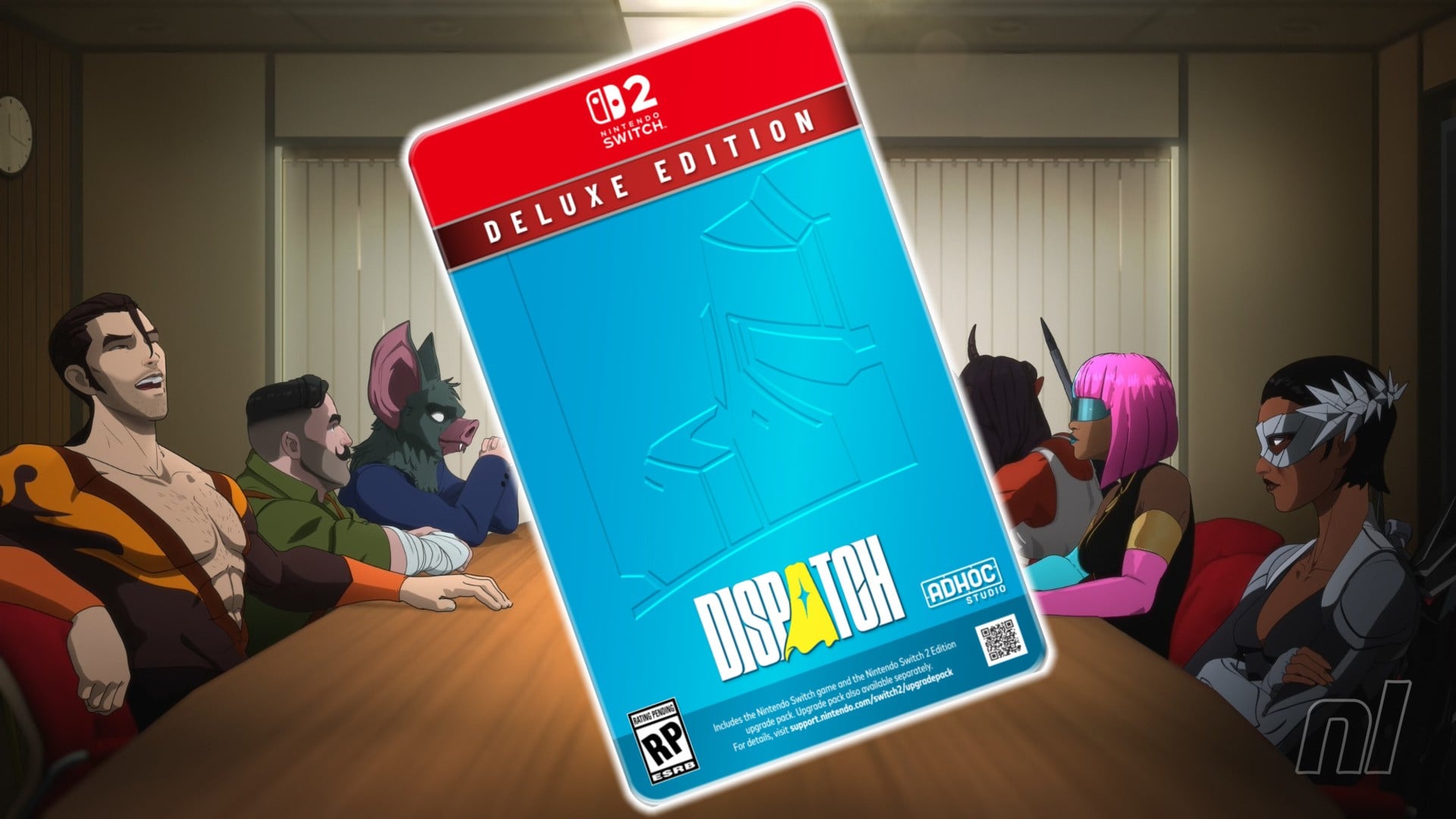
Nintendo has reaffirmed its content governance policies following the recent censorship of the Dispatch video game on both the Nintendo Switch and the anticipated Nintendo Switch 2.
As questions arose regarding the differences in game content across platforms, a spokesperson for Nintendo provided clarity on the company's process regarding third-party releases and content compliance, especially in light of recent public debate over the issue.
Background: Dispatch and Content Moderation on Nintendo Platforms
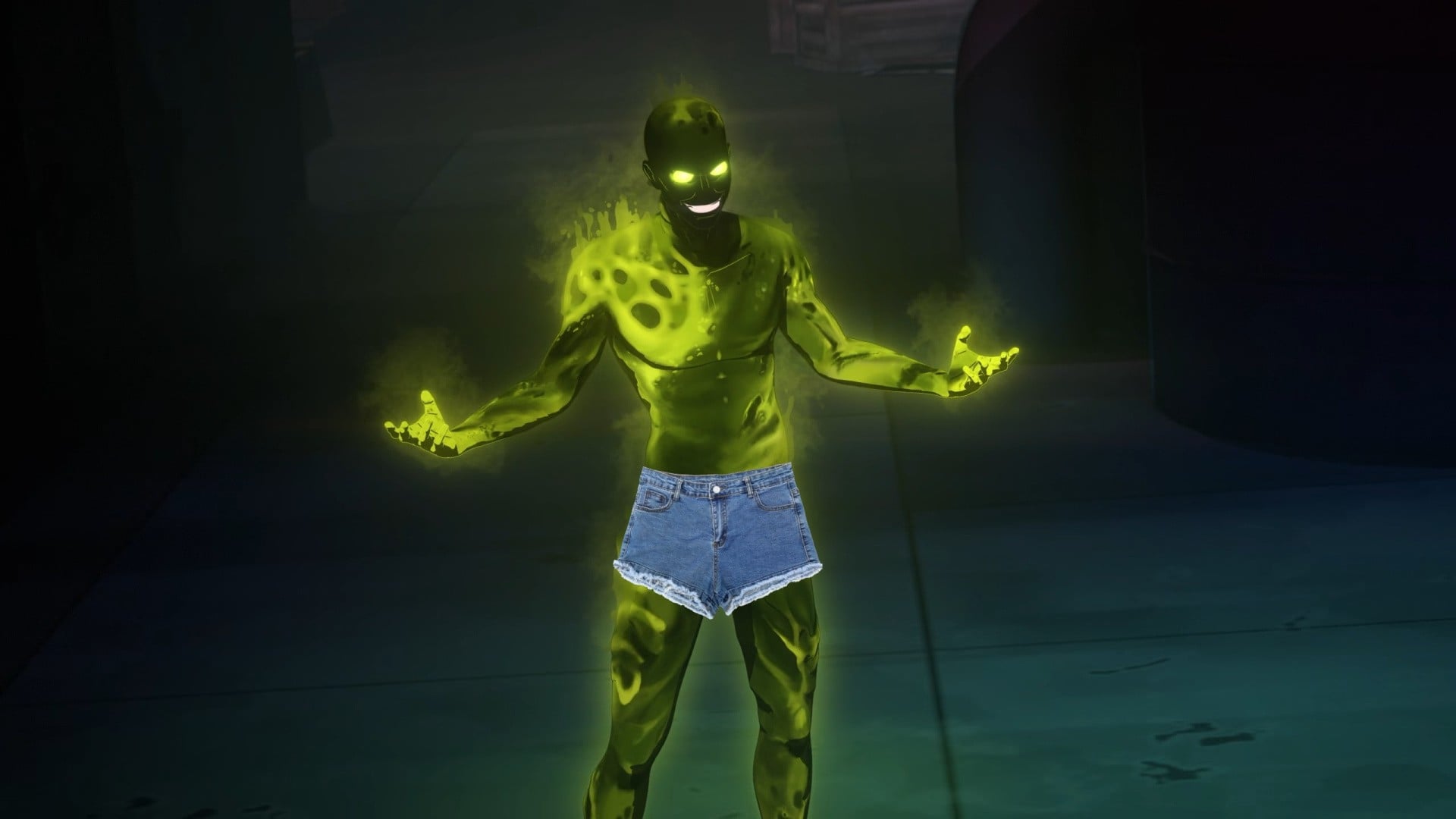
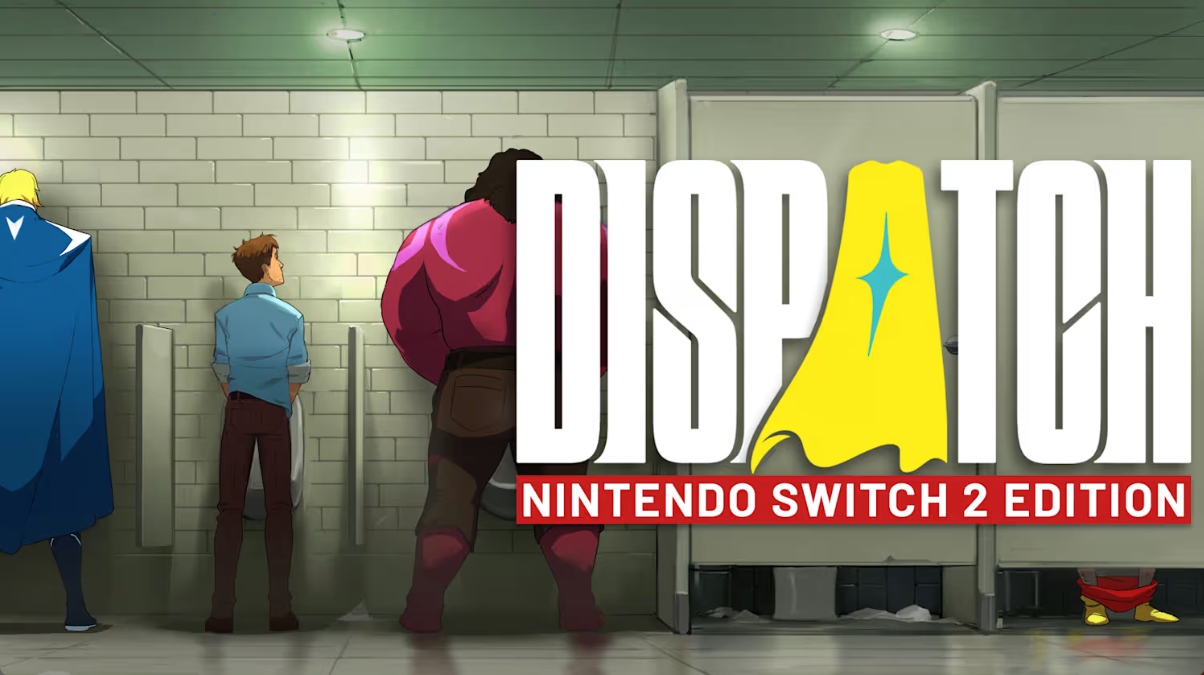
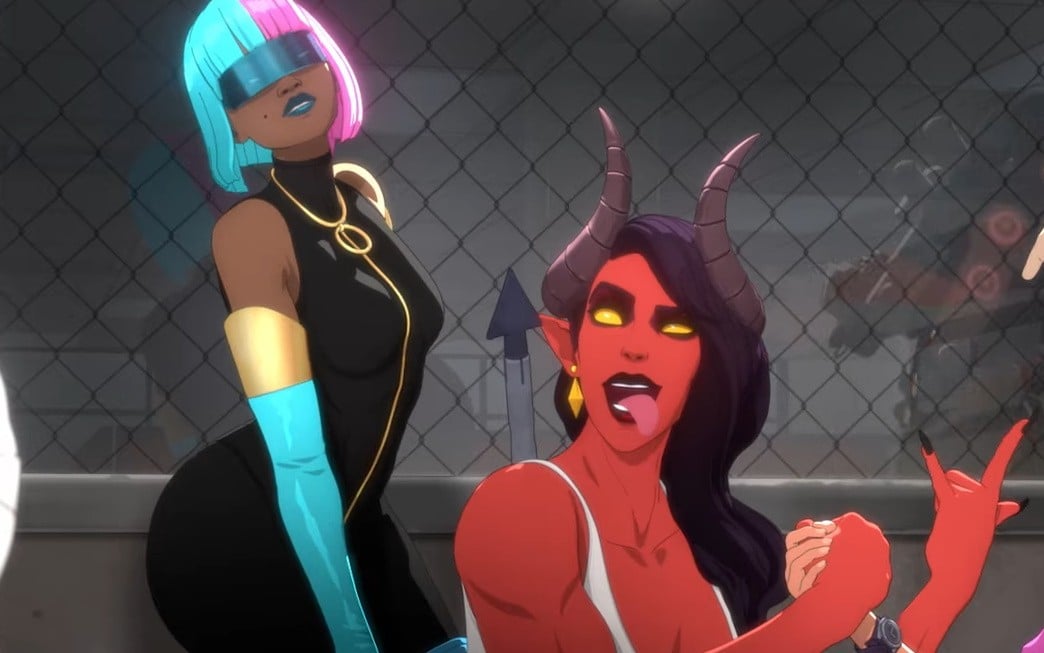
Dispatch, a game launched by a third-party developer, quickly attracted attention when fans noticed select content had been censored for the Nintendo Switch and Switch 2 versions, sparking community discussions across social media and gaming forums.
The change prompted inquiries about Nintendo's role in content evaluation and modification for games released on its platforms, which are traditionally known for balancing family-friendly standards and creative offerings on the eShop.
Official Statement on Nintendo Platform Guidelines
Responding to IGN, Nintendo emphasized its established practice of requiring all games available on its platforms—including Nintendo Switch and Switch 2—to secure ratings from independent regulatory bodies and to adhere to the company’s content and platform guidelines.
However, the Kyoto-based publisher clarified its policy on direct involvement in game modification.
A Nintendo representative stated that while Nintendo notifies developers when their games do not comply with internal guidelines, the responsibility to enact content changes rests entirely with the developer.
In effect, Nintendo does not alter partner or third-party content internally, nor does it typically discuss individual cases or the criteria used for approval or rejection publicly.
This approach reinforces Nintendo’s commitment to maintaining content standards while allowing developers autonomy over their games’ final versions.
"Nintendo requires all titles on its platforms to undergo ratings review by independent organizations and to meet our platform guidelines.
We notify partners if their titles fail to comply, but implementing changes remains the developer’s choice.
Nintendo itself does not modify third-party content nor disclose details about specific decisions or guidelines," a company spokesperson told IGN in response to the Dispatch situation.
Impact on Developers and the Nintendo Ecosystem
This clarified policy underscores Nintendo's ongoing effort to balance a curated gaming environment on the Nintendo Switch, Nintendo Switch 2, and eShop with respect for third-party creative control.
By requiring adherence to established standards—without unilaterally editing content—Nintendo ensures a consistent experience for users while encouraging developers to take responsibility for the content they deliver.
As the Nintendo Switch continues to be one of the most successful hardware platforms with over 125 million units sold globally, and anticipation builds for the Nintendo Switch 2, such content governance questions are likely to remain top-of-mind for developers and players alike.
The clarity offered by Nintendo reaffirms the procedures in place for content moderation and creative freedom throughout the gaming ecosystem.
Nintendo has reaffirmed its content governance policies following the recent censorship of the Dispatch video game on both the Nintendo Switch and the anticipated Nintendo Switch 2.
As questions arose regarding the differences in game content across platforms, a spokesperson for Nintendo provided clarity on the company's process regarding third-party releases and content compliance, especially in light of recent public debate over the issue.
Background: Dispatch and Content Moderation on Nintendo Platforms
Dispatch, a game launched by a third-party developer, quickly attracted attention when fans noticed select content had been censored for the Nintendo Switch and Switch 2 versions, sparking community discussions across social media and gaming forums.
The change prompted inquiries about Nintendo's role in content evaluation and modification for games released on its platforms, which are traditionally known for balancing family-friendly standards and creative offerings on the eShop.
Official Statement on Nintendo Platform Guidelines
Responding to IGN, Nintendo emphasized its established practice of requiring all games available on its platforms—including Nintendo Switch and Switch 2—to secure ratings from independent regulatory bodies and to adhere to the company’s content and platform guidelines.
However, the Kyoto-based publisher clarified its policy on direct involvement in game modification.
A Nintendo representative stated that while Nintendo notifies developers when their games do not comply with internal guidelines, the responsibility to enact content changes rests entirely with the developer.
In effect, Nintendo does not alter partner or third-party content internally, nor does it typically discuss individual cases or the criteria used for approval or rejection publicly.
This approach reinforces Nintendo’s commitment to maintaining content standards while allowing developers autonomy over their games’ final versions.
"Nintendo requires all titles on its platforms to undergo ratings review by independent organizations and to meet our platform guidelines.
We notify partners if their titles fail to comply, but implementing changes remains the developer’s choice.
Nintendo itself does not modify third-party content nor disclose details about specific decisions or guidelines," a company spokesperson told IGN in response to the Dispatch situation.
Impact on Developers and the Nintendo Ecosystem
This clarified policy underscores Nintendo's ongoing effort to balance a curated gaming environment on the Nintendo Switch, Nintendo Switch 2, and eShop with respect for third-party creative control.
By requiring adherence to established standards—without unilaterally editing content—Nintendo ensures a consistent experience for users while encouraging developers to take responsibility for the content they deliver.
As the Nintendo Switch continues to be one of the most successful hardware platforms with over 125 million units sold globally, and anticipation builds for the Nintendo Switch 2, such content governance questions are likely to remain top-of-mind for developers and players alike.
The clarity offered by Nintendo reaffirms the procedures in place for content moderation and creative freedom throughout the gaming ecosystem.