


Rosamund Pike Reflects on DOOM Movie's Failure and Career Growth After 2005 Adaptation
When it comes to video game movies, Universal Pictures’ 2005 DOOM adaptation, directed by Andrzej Bartkowiak, is frequently cited as one of the more challenging entries in the genre.
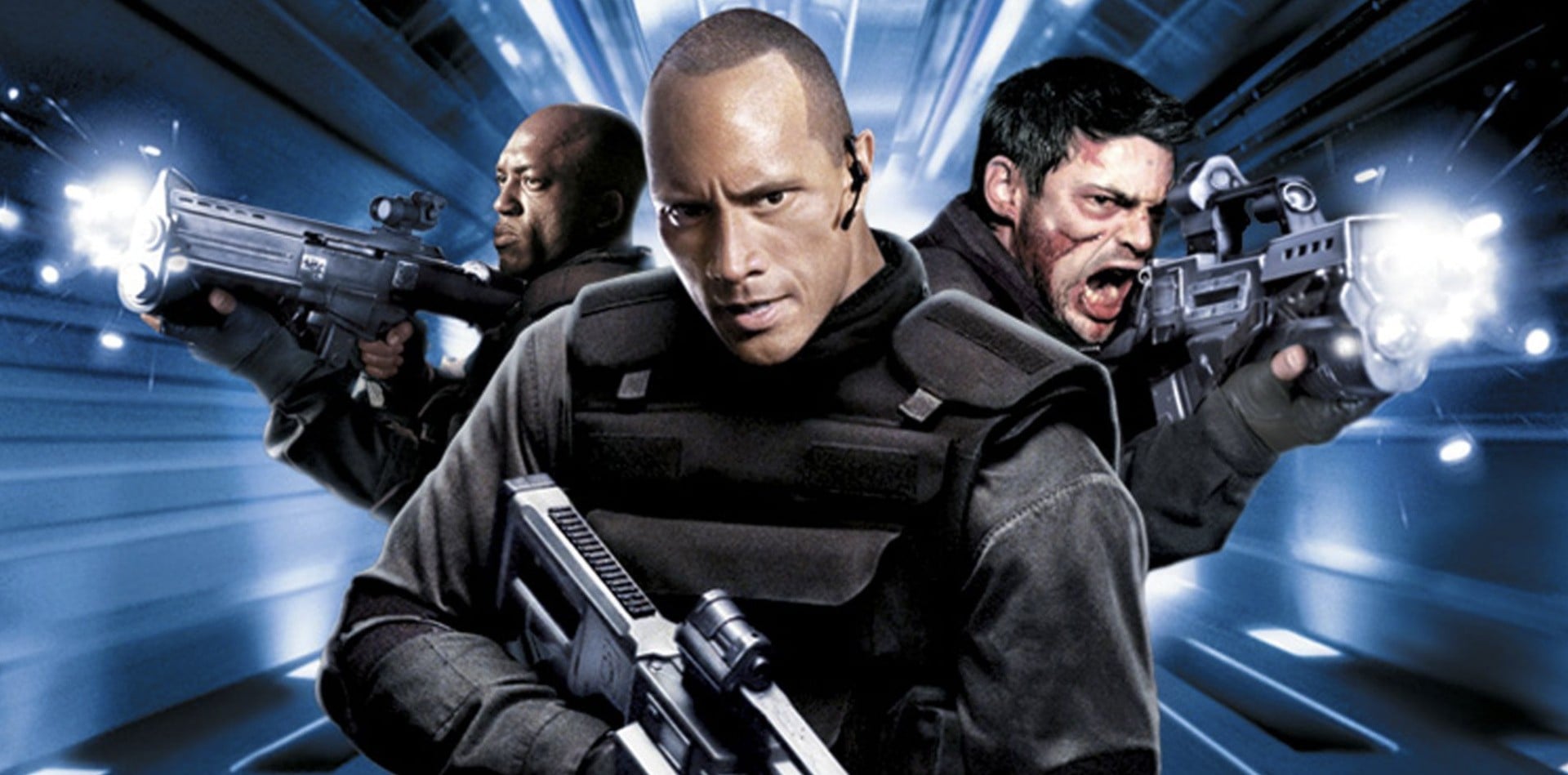
Based on id Software’s legendary first-person shooter, the film starred Rosamund Pike, Dwayne ‘The Rock’ Johnson, and Karl Urban, but failed to resonate with critics and audiences alike.
Despite the built-in fanbase and notable cast, the movie struggled at the box office and has since gained a reputation as an example of how difficult it can be to adapt beloved games for the silver screen.
Recently, Rosamund Pike gave new insight into the troubled legacy of DOOM during an appearance on the 'How to Fail' podcast, as reported by IGN.
Pike did not mince words about the film's reception, candidly sharing that, in her view, "the film was an unequivocal failure." She recalled how DOOM performed poorly with critics, grossing just $58.7 million against a production budget estimated between $60 and $70 million.
Pike reflected that the experience felt like it had the potential to derail her career, noting, "it seemed as if I was fortunate just to have survived that one.
At the time, it was regarded—by critics and audiences—as one of the worst films ever made."
Pike also acknowledged the challenges she faced as an actress on the film, explaining that her preparation did not include deep research into video games or the culture surrounding them.
She emphasized, “After that experience, I realized the importance of understanding the source material and the expectations surrounding such roles.
No one provided the guidance or training that’s commonplace for action roles today, which left me somewhat unprepared for the demands of the part.” Pike described a change in the industry, remarking that modern productions offer more support, including fitness trainers and detailed discussions about character portrayal—support that was absent on the DOOM set.
The film’s lackluster performance is clear when compared to other video game adaptations.
While franchises like Resident Evil and Sonic the Hedgehog have gone on to enjoy box-office success and sequels, DOOM’s fate was different.
Its 2019 follow-up, DOOM: Annihilation, was released direct-to-video, signaling a continued struggle for the franchise in the film space.
Despite DOOM’s cinematic shortcomings, Rosamund Pike’s career trajectory remained upward.
After DOOM, she secured significant roles in films such as Johnny English Reborn (2011), Jack Reacher (2012), and The World’s End (2013).
In 2014, Pike earned an Academy Award nomination for Best Actress thanks to her performance in David Fincher’s Gone Girl.
Her talent has been further recognized with awards for her work in I Care a Lot (2020) and the Emmy-winning TV series State of the Union (2019).
While DOOM may not have given fans or its cast the box-office results they hoped for, it stands as a reminder of the challenges and opportunities that come with adapting video games for new media—and of the resilience required to forge ahead in Hollywood.
When it comes to video game movies, Universal Pictures’ 2005 DOOM adaptation, directed by Andrzej Bartkowiak, is frequently cited as one of the more challenging entries in the genre.
Based on id Software’s legendary first-person shooter, the film starred Rosamund Pike, Dwayne ‘The Rock’ Johnson, and Karl Urban, but failed to resonate with critics and audiences alike.
Despite the built-in fanbase and notable cast, the movie struggled at the box office and has since gained a reputation as an example of how difficult it can be to adapt beloved games for the silver screen.
Recently, Rosamund Pike gave new insight into the troubled legacy of DOOM during an appearance on the 'How to Fail' podcast, as reported by IGN.
Pike did not mince words about the film's reception, candidly sharing that, in her view, "the film was an unequivocal failure." She recalled how DOOM performed poorly with critics, grossing just $58.7 million against a production budget estimated between $60 and $70 million.
Pike reflected that the experience felt like it had the potential to derail her career, noting, "it seemed as if I was fortunate just to have survived that one.
At the time, it was regarded—by critics and audiences—as one of the worst films ever made."
Pike also acknowledged the challenges she faced as an actress on the film, explaining that her preparation did not include deep research into video games or the culture surrounding them.
She emphasized, “After that experience, I realized the importance of understanding the source material and the expectations surrounding such roles.
No one provided the guidance or training that’s commonplace for action roles today, which left me somewhat unprepared for the demands of the part.” Pike described a change in the industry, remarking that modern productions offer more support, including fitness trainers and detailed discussions about character portrayal—support that was absent on the DOOM set.
The film’s lackluster performance is clear when compared to other video game adaptations.
While franchises like Resident Evil and Sonic the Hedgehog have gone on to enjoy box-office success and sequels, DOOM’s fate was different.
Its 2019 follow-up, DOOM: Annihilation, was released direct-to-video, signaling a continued struggle for the franchise in the film space.
Despite DOOM’s cinematic shortcomings, Rosamund Pike’s career trajectory remained upward.
After DOOM, she secured significant roles in films such as Johnny English Reborn (2011), Jack Reacher (2012), and The World’s End (2013).
In 2014, Pike earned an Academy Award nomination for Best Actress thanks to her performance in David Fincher’s Gone Girl.
Her talent has been further recognized with awards for her work in I Care a Lot (2020) and the Emmy-winning TV series State of the Union (2019).
While DOOM may not have given fans or its cast the box-office results they hoped for, it stands as a reminder of the challenges and opportunities that come with adapting video games for new media—and of the resilience required to forge ahead in Hollywood.