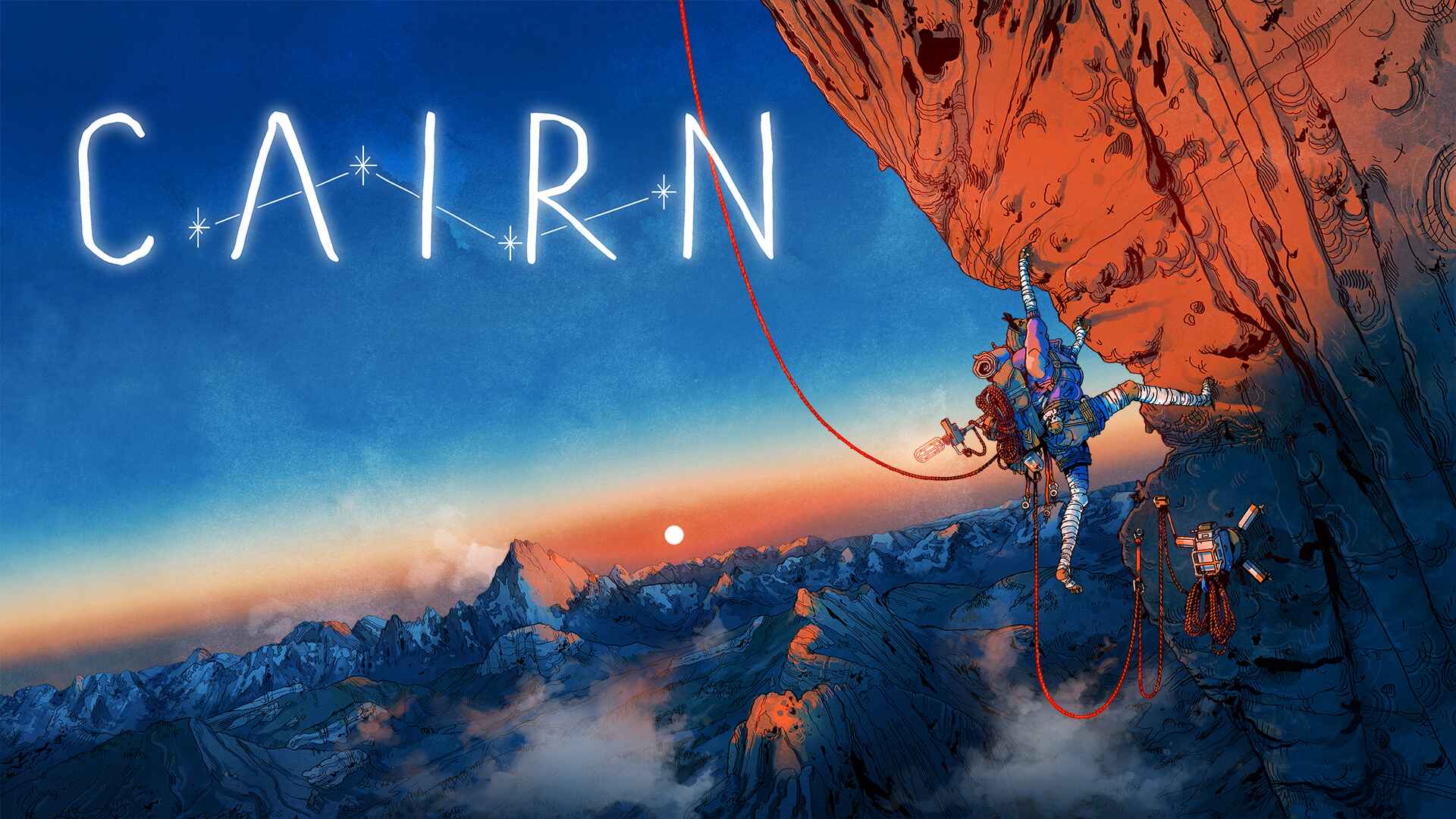
The Legend of Heroes: Trails Beyond the Horizon marks a significant milestone for RPG fans on the Nintendo Switch 2, delivering what may be the most accomplished Falcom port to date for Nintendo hardware. The series, renowned for its sprawling narratives and intricate combat systems, has a complex legacy on Switch, with earlier entries experiencing inconsistent port quality and performance setbacks, particularly with more recent titles that pushed the platform’s hardware. Yet, Trails Beyond the Horizon sets a new standard, thanks in large part to impressive technical feats and strong visual fidelity.
Background: The Trails franchise, developed by Nihon Falcom, has seen multiple entries released on the Nintendo Switch and previous Nintendo consoles, including ports of classic PSP titles like Zero, Azure, and more recently, Ys vs Trails in the Sky. While these older games ran smoothly due to their origin on less demanding hardware, the transition to higher-fidelity entries—most notably the Cold Steel trilogy and the Daybreak games—proved challenging. Ported externally, titles like Trails of Cold Steel III, IV, and Reverie struggled to maintain stable frame rates and often fell short of targeting 720p/30fps.
Falcom’s first in-house efforts on Switch, Daybreak I & II, showed both promise and the limits of the hardware. Despite a more hands-on approach, ambitious systems sometimes outpaced the original Switch’s capabilities. Even the much-anticipated Switch 2 version of Trails in the Sky FC, which debuted with high expectations and in-house development, required weeks of patches post-launch to manage frame rates and resolve clarity issues, leaving some fans wanting.
For Trails Beyond the Horizon, Falcom or its closely partnered teams approached the Switch 2 port with renewed focus. Although official developer details remain undisclosed, this entry stands out for its technical polish. Early adopters can import their clear data from Daybreak I & II, seeing their story choices reflected for tangible payoffs. From the outset, the game demonstrates a dramatic leap in combat fluidity and system expansion, evolving the unique Daybreak action-command hybrid combat into its smoothest and most satisfying incarnation yet on Nintendo hardware.
Technically, the port leverages the new capabilities of the Switch 2. Players have two performance options: a fixed 30 frames per second or a 'Variable' mode that unlocks frame rates up to 120 fps. On supported 4K TVs, the docked experience consistently achieves a full 60 fps, while VRR and 120 fps support ensure ultra-smooth performance in both docked and handheld configurations. Visuals are crisp, benefiting from upscaling technology akin to DLSS; image quality holds strong both undocked and when displayed on 4K screens. Texture and foliage fidelity are on par with PlayStation 4 and PlayStation 5 equivalents, closing the historical gap between Nintendo and Sony platforms for major RPGs.
While minor upscaling artifacts can be seen during the most rapid camera motions, they are never distracting. Pop-in remains minimal, and the visual style of the Daybreak subseries shines when upscaled with this clarity. Compared to prior Switch ports—especially Daybreak II and Trails in the Sky FC—Trails Beyond the Horizon is a clear step forward in both artistry and execution.
This port not only realizes Falcom’s vision for high-fidelity, accessible JRPGs on a portable platform but sets a precedent for future titles in the Calvard narrative arc and beyond. With painstaking performance optimization, robust story carryover, and options tailored for both performance aficionados and handheld purists, Trails Beyond the Horizon on Switch 2 is a standout release—a new benchmark for the Trails series on any console. Expect a detailed review closer to the game’s launch, but for now, RPG fans can look forward to an experience that honors both Falcom’s legacy and the capabilities of Nintendo’s latest hardware.
Trails Beyond the Horizon on Nintendo Switch 2: A Benchmark Port for Falcom's RPG Series
Nintendo News Hub

Game Pages Mentioned In This Article
Use these Nintendo Switch game pages to keep exploring the titles connected to this story, including related genres, developers, screenshots, and more coverage.
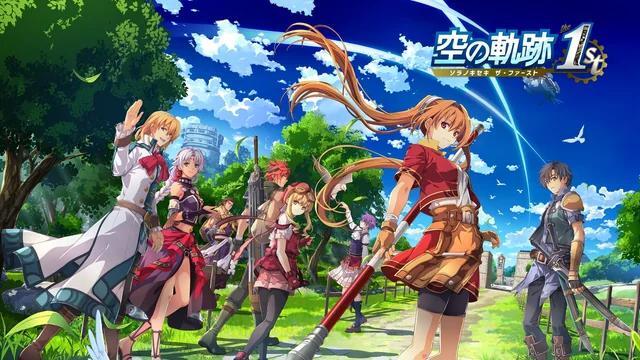
Trails in the Sky 1st Chapter
Nihon Falcom · Action · 2025
View game page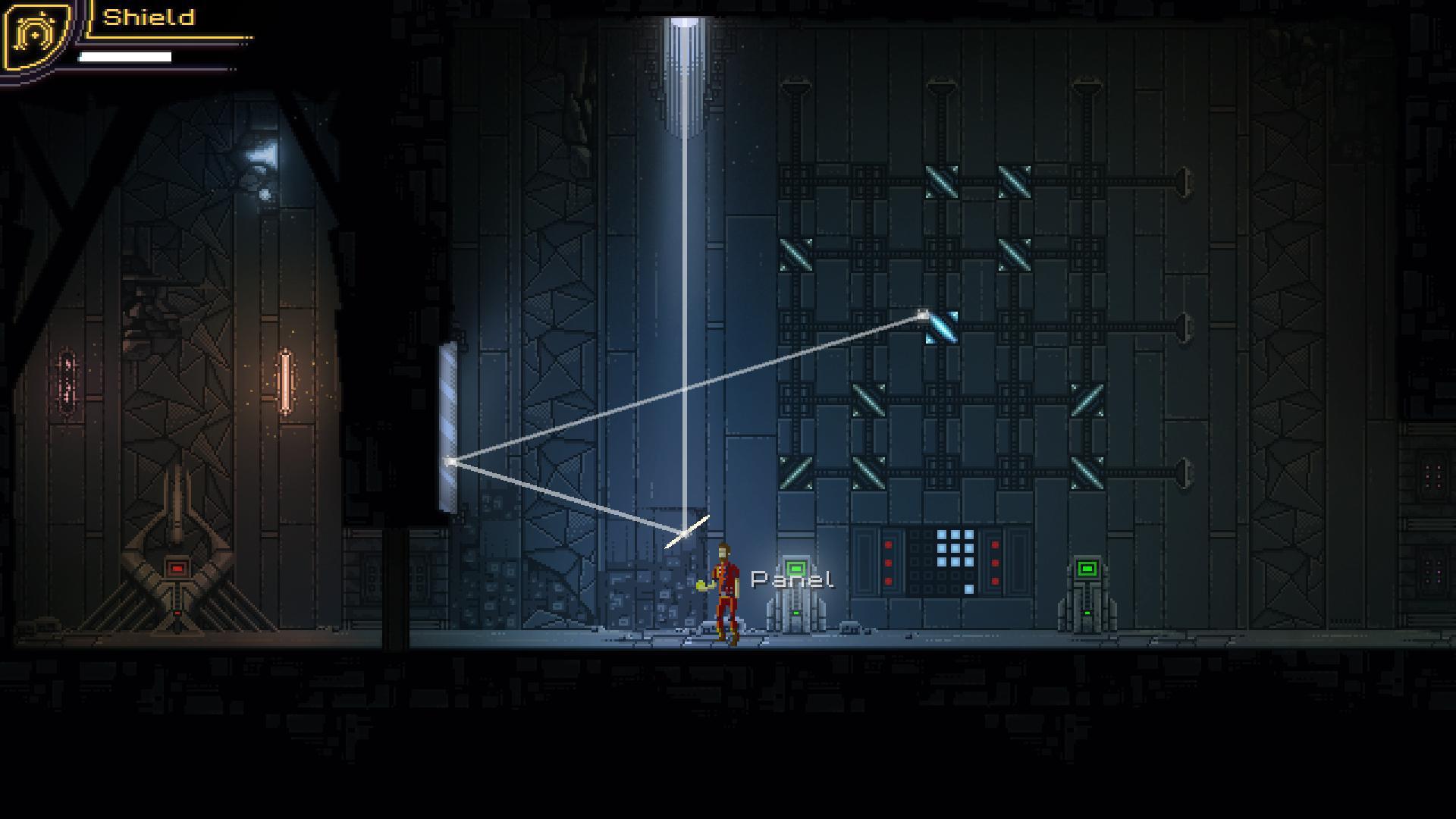
The Way
Puzzling Dream · Action · 2016
View game page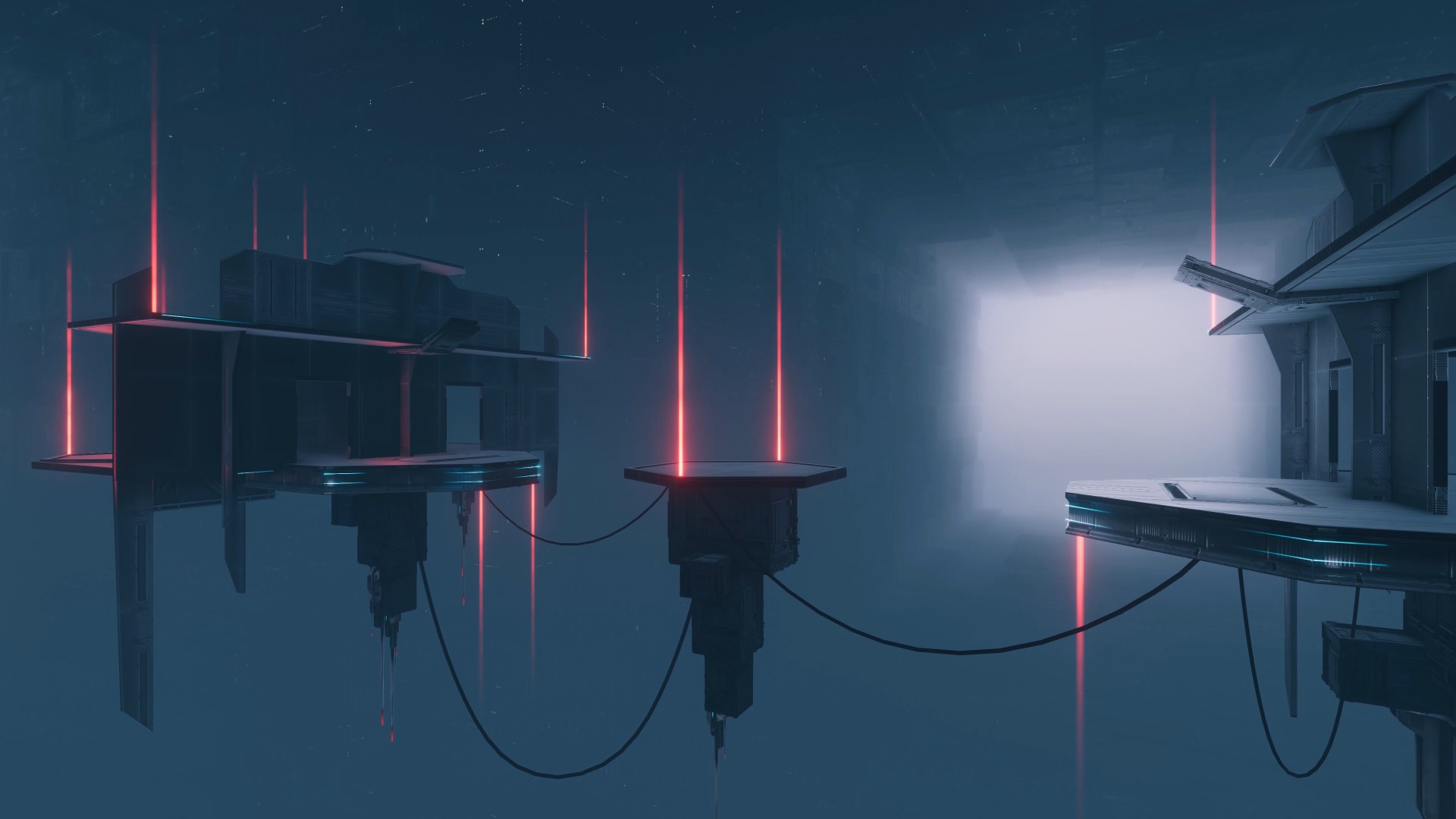
MATCH
PlatformaVR · Action · 2020
View game page
Jump, Step, Step
Dzung Phung Dinh · Indie · 2017
View game page
Haven
The Game Bakers · Adventure · 2020
View game page
Drowning
Sometimes You · Indie · 2018
View game pageRelated Topics
Explore more articles about these topics:
Source: NintendoInsider