A Rare Piece of Arcade History: Three-Screen Ridge Racer Cabinet Targets MAME Preservation
Namco’s Ridge Racer remains a landmark in arcade racing, renowned for its cutting-edge technology and genre-defining gameplay.
Now, arcade enthusiasts and preservationists have cause for celebration, as a rare three-screen variant of the Ridge Racer arcade machine is on track to receive support from the Multiple Arcade Machine Emulator (MAME) project.
Background: An Arcade Icon
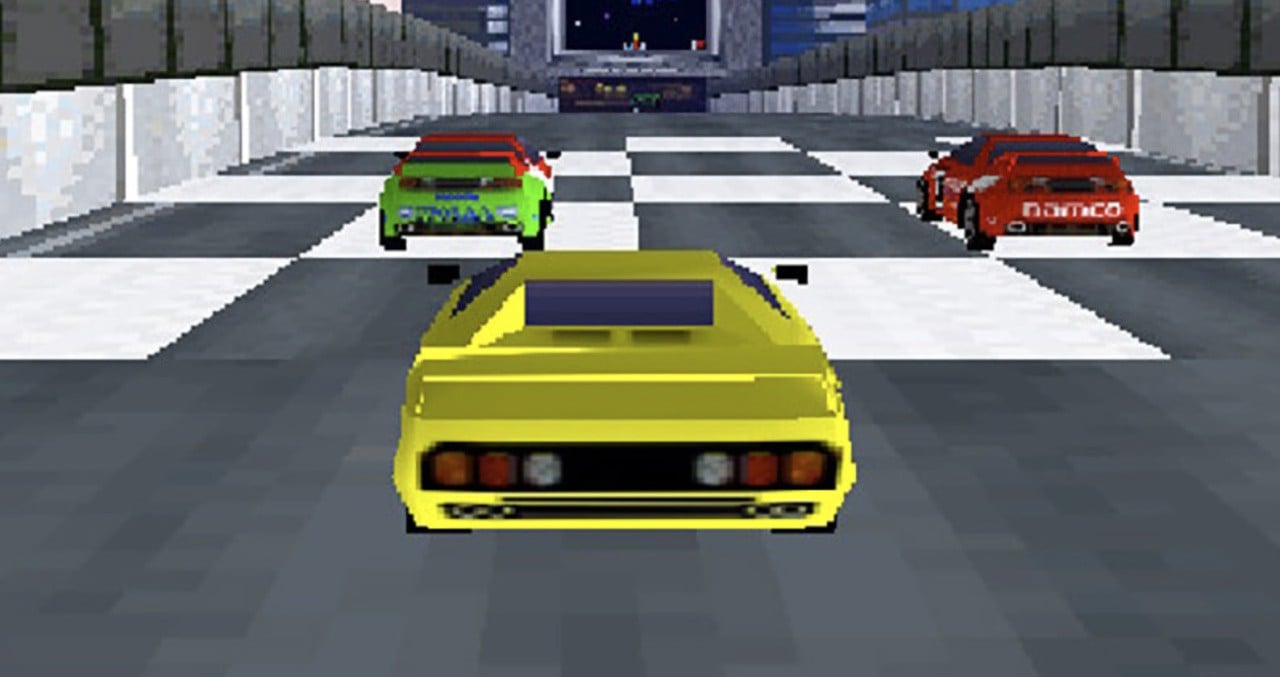
First released to arcades in 1993, Ridge Racer was the world’s first arcade game to feature real-time 3D texture-mapped graphics, setting a new benchmark for immersive racing experiences.
Namco’s technical achievement captured the attention of both players and the industry, and the game’s influence extended far beyond the arcade floor.
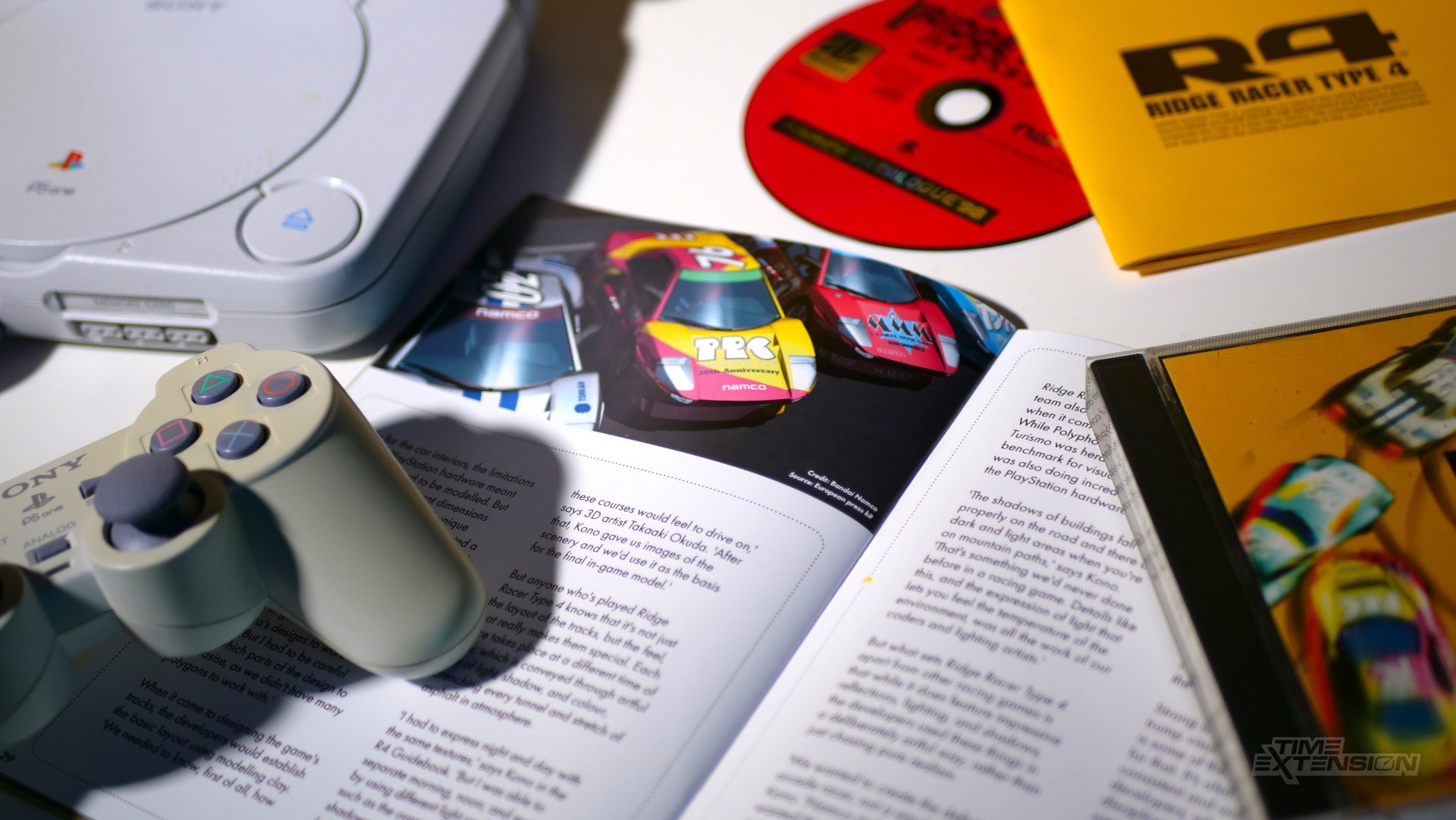
Its successful port to Sony’s inaugural PlayStation in 1994 made Ridge Racer a launch title that exemplified the console’s capabilities, quickly establishing it as the system’s first major bestseller.
The Three-Screen Variant and Its Significance
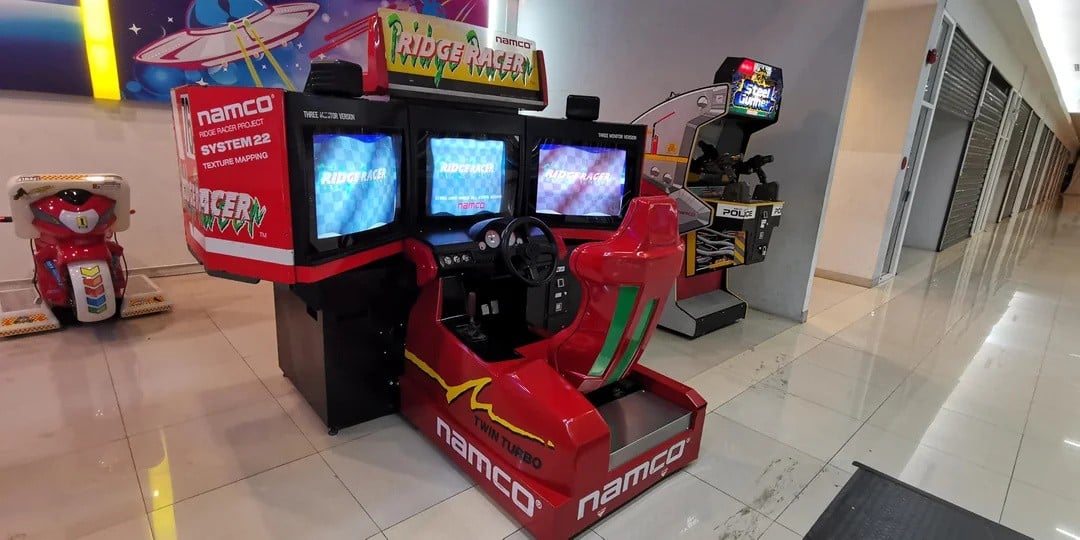
While most players recall Ridge Racer from standard single-screen cabinets, Namco also produced a rare multi-display version.
This three-screen arcade variant offered a wider field of view, enhancing immersion and redefining the spectacle of competitive racing game cabinets.
Such units remain highly sought after by collectors and seldom appear outside dedicated arcade preservation circles.
Recent Developments: MAME and Preserving Arcade Rarity
Preservation efforts are gaining momentum.
According to arcade developer and enthusiast Yoshino Kentarou, a three-screen Ridge Racer cabinet is currently being ‘dumped’—an industry term for archiving the hardware’s software and ROMs.
This process makes the game playable under emulation and ensures its legacy for future generations.
Kentarou characterizes this rare cabinet as something of a “phantom,” though replies from enthusiasts on social media suggest that three-screen Ridge Racer machines were more widely installed than their elusive status implies.
Industry Recognition: Developer Insights
The announcement has reached notable figures such as Kenji Sasaki, a member of the original development team behind Ridge Racer.
Sasaki’s acknowledgment lends further historical weight to these preservation efforts, underscoring the importance of maintaining accurate records of arcade innovations.
Comparison with Full-Scale Cabinets
The three-screen version should not be confused with Namco’s even more elusive ‘full-scale’ Ridge Racer experience, which placed players in a car-like cockpit and surrounded them with larger displays.
Both cabinets, however, demonstrate Namco’s early commitment to immersive, technologically advanced arcade setups.
Looking Forward: Impact on Arcade and Gaming History
As MAME continues to expand its library, the inclusion of the three-screen Ridge Racer cabinet not only celebrates Namco’s technical legacy but also emphasizes the ongoing efforts of the emulation community in preserving integral slices of gaming history.
Ridge Racer’s influence persists across platforms—including re-releases on digital storefronts such as the eShop—and its legacy endures in both the arcade scene and on home consoles, including Nintendo Switch.
With this rare variant soon accessible to a wider audience, gamers and historians alike will be able to experience one of the most innovative racing arcade cabinets of the 1990s—restored and preserved for the digital age.
Namco’s Ridge Racer remains a landmark in arcade racing, renowned for its cutting-edge technology and genre-defining gameplay.
Now, arcade enthusiasts and preservationists have cause for celebration, as a rare three-screen variant of the Ridge Racer arcade machine is on track to receive support from the Multiple Arcade Machine Emulator (MAME) project.
Background: An Arcade Icon
First released to arcades in 1993, Ridge Racer was the world’s first arcade game to feature real-time 3D texture-mapped graphics, setting a new benchmark for immersive racing experiences.
Namco’s technical achievement captured the attention of both players and the industry, and the game’s influence extended far beyond the arcade floor.
Its successful port to Sony’s inaugural PlayStation in 1994 made Ridge Racer a launch title that exemplified the console’s capabilities, quickly establishing it as the system’s first major bestseller.
The Three-Screen Variant and Its Significance
While most players recall Ridge Racer from standard single-screen cabinets, Namco also produced a rare multi-display version.
This three-screen arcade variant offered a wider field of view, enhancing immersion and redefining the spectacle of competitive racing game cabinets.
Such units remain highly sought after by collectors and seldom appear outside dedicated arcade preservation circles.
Recent Developments: MAME and Preserving Arcade Rarity
Preservation efforts are gaining momentum.
According to arcade developer and enthusiast Yoshino Kentarou, a three-screen Ridge Racer cabinet is currently being ‘dumped’—an industry term for archiving the hardware’s software and ROMs.
This process makes the game playable under emulation and ensures its legacy for future generations.
Kentarou characterizes this rare cabinet as something of a “phantom,” though replies from enthusiasts on social media suggest that three-screen Ridge Racer machines were more widely installed than their elusive status implies.
Industry Recognition: Developer Insights
The announcement has reached notable figures such as Kenji Sasaki, a member of the original development team behind Ridge Racer.
Sasaki’s acknowledgment lends further historical weight to these preservation efforts, underscoring the importance of maintaining accurate records of arcade innovations.
Comparison with Full-Scale Cabinets
The three-screen version should not be confused with Namco’s even more elusive ‘full-scale’ Ridge Racer experience, which placed players in a car-like cockpit and surrounded them with larger displays.
Both cabinets, however, demonstrate Namco’s early commitment to immersive, technologically advanced arcade setups.
Looking Forward: Impact on Arcade and Gaming History
As MAME continues to expand its library, the inclusion of the three-screen Ridge Racer cabinet not only celebrates Namco’s technical legacy but also emphasizes the ongoing efforts of the emulation community in preserving integral slices of gaming history.
Ridge Racer’s influence persists across platforms—including re-releases on digital storefronts such as the eShop—and its legacy endures in both the arcade scene and on home consoles, including Nintendo Switch.
With this rare variant soon accessible to a wider audience, gamers and historians alike will be able to experience one of the most innovative racing arcade cabinets of the 1990s—restored and preserved for the digital age.