

PLAION, a well-known developer in the retro gaming hardware space, has recently been thrust into the spotlight following the brief appearance of an ESRB rating suggesting a new piece of Neo Geo-branded hardware could be on the horizon.
Retro gaming enthusiasts and industry observers took notice after an ESRB listing surfaced for 'Samurai Shodown V Special,' referencing the 'Neo Geo AES+' platform, before the entry was quietly removed.
This fleeting rating has sparked significant conversation among fans eager for modern ways to relive classic arcade experiences.
Established as a leader in reviving vintage gaming systems, PLAION has an impressive track record with products like The Spectrum, Intellivision Sprint, A500 Mini, Atari 7800+, and The C64 Mini.
These reproductions, often built around sophisticated software emulation, aim to preserve the authenticity of the original hardware while introducing modern features such as updated AV connectivity and, in some cases, support for original game cartridges.
This dual focus on nostalgia and functionality has made PLAION a go-to name for collectors and retro enthusiasts alike.
The Neo Geo brand holds a legendary status in gaming history.
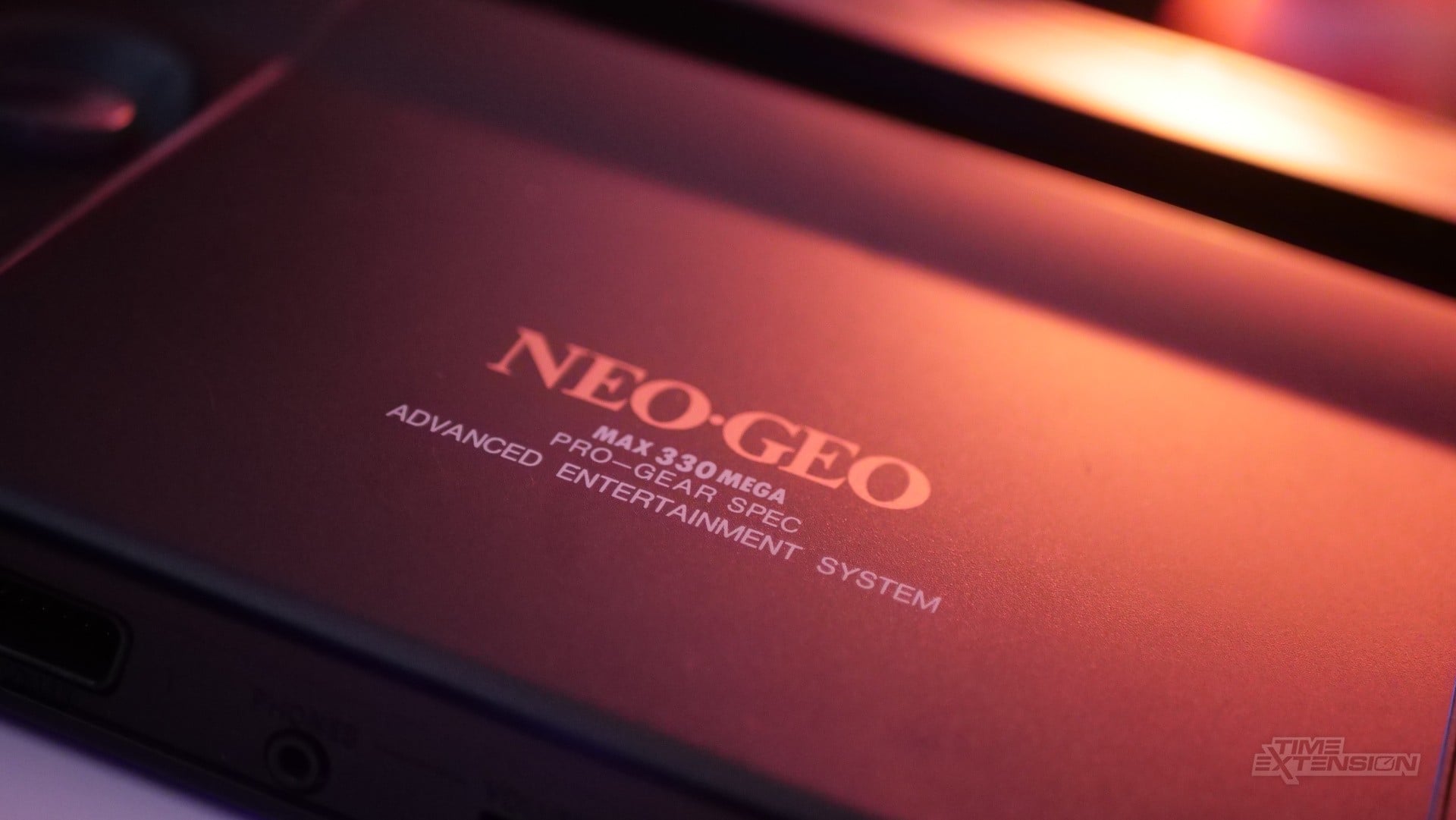
Originally launched in 1990 by SNK, the Neo Geo was available in two main formats: the Multi Video System (MVS) for arcades and the Advanced Entertainment System (AES) for home use.
Known for its premium pricing and arcade-quality software, the AES model became an icon among dedicated fans despite its prohibitively high cost in the 1990s.
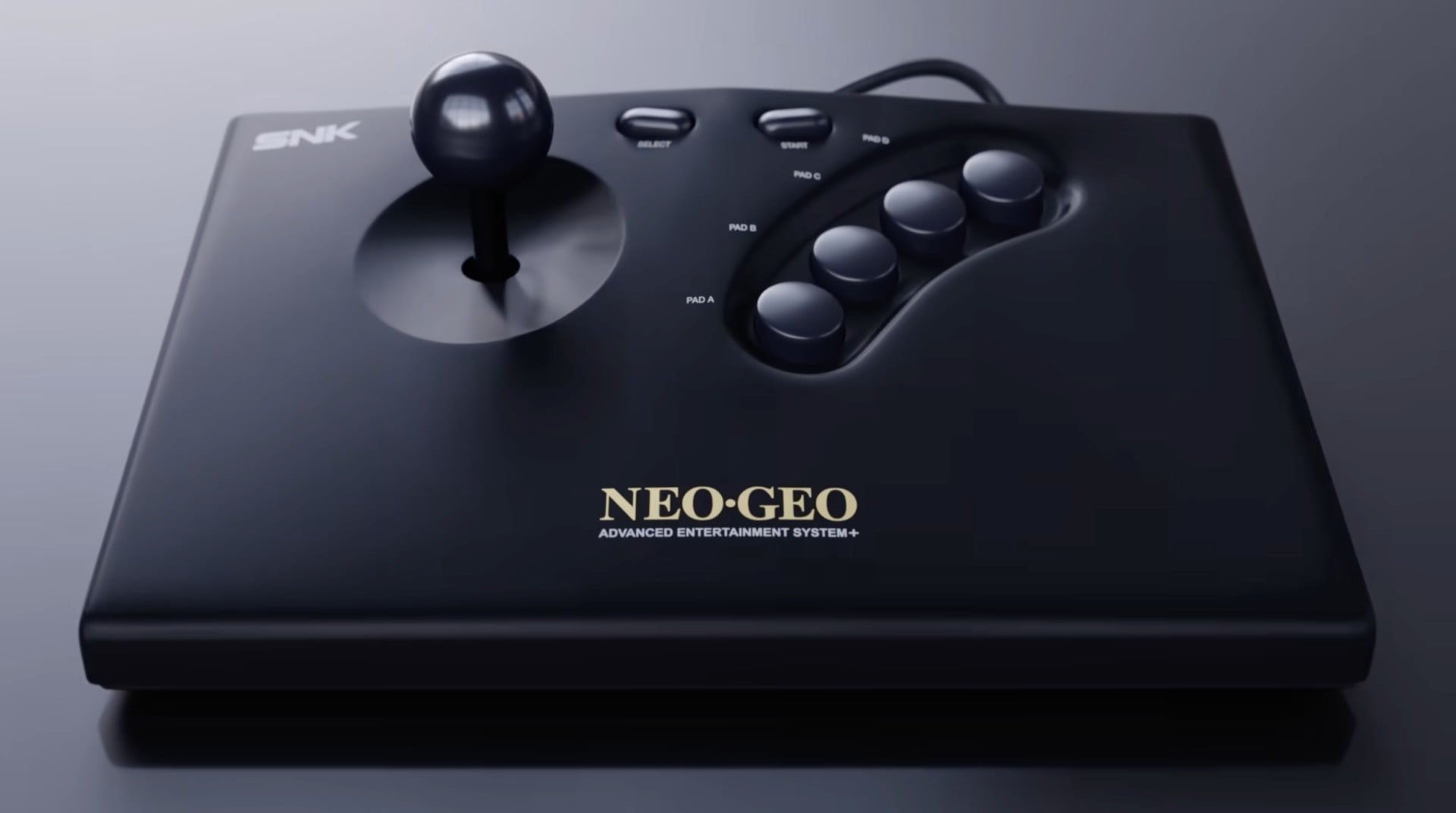
Over the years, the Neo Geo has seen various modern incarnations, such as the Neo Geo X, the Neo Geo Mini, and the Neo Geo Arcade Stick Pro, all aiming to bring classic titles to new audiences and platforms.
The now-removed ESRB rating for Samurai Shodown V Special, attributed specifically to the 'Neo Geo AES+' platform, echoes the naming conventions PLAION has used for other hardware reproductions—such as the 7800+ and 2600+.
This similarity has fueled speculation within the community that PLAION could be preparing to launch a new AES+ system, designed to combine emulation-based gameplay with modern connectivity options and potential support for legacy AES cartridges.
While PLAION has not issued an official statement about the prospective device, the company's history of reimagining legacy consoles supports the possibility of such a development.
With interest in retro gaming showing no signs of slowing, a potential Neo Geo AES+ release would be a noteworthy addition to PLAION’s portfolio and a compelling offer for classic gaming aficionados.
As of publication, PLAION has neither confirmed nor denied the project referenced in the removed ESRB entry.
However, their continued expansion of mini-console offerings and faithful hardware reproductions keeps them firmly at the center of retro gaming innovation.
Fans and industry analysts alike will be watching closely for official announcements on new Neo Geo hardware as interest in high-quality, authentic retro gaming solutions surges.
PLAION’s next move could help redefine how classic games are experienced in the modern age, reinforcing the enduring appeal of the Neo Geo platform.
Retro gaming enthusiasts and industry observers took notice after an ESRB listing surfaced for 'Samurai Shodown V Special,' referencing the 'Neo Geo AES+' platform, before the entry was quietly removed.
This fleeting rating has sparked significant conversation among fans eager for modern ways to relive classic arcade experiences.
Established as a leader in reviving vintage gaming systems, PLAION has an impressive track record with products like The Spectrum, Intellivision Sprint, A500 Mini, Atari 7800+, and The C64 Mini.
These reproductions, often built around sophisticated software emulation, aim to preserve the authenticity of the original hardware while introducing modern features such as updated AV connectivity and, in some cases, support for original game cartridges.
This dual focus on nostalgia and functionality has made PLAION a go-to name for collectors and retro enthusiasts alike.
The Neo Geo brand holds a legendary status in gaming history.
Originally launched in 1990 by SNK, the Neo Geo was available in two main formats: the Multi Video System (MVS) for arcades and the Advanced Entertainment System (AES) for home use.
Known for its premium pricing and arcade-quality software, the AES model became an icon among dedicated fans despite its prohibitively high cost in the 1990s.
Over the years, the Neo Geo has seen various modern incarnations, such as the Neo Geo X, the Neo Geo Mini, and the Neo Geo Arcade Stick Pro, all aiming to bring classic titles to new audiences and platforms.
The now-removed ESRB rating for Samurai Shodown V Special, attributed specifically to the 'Neo Geo AES+' platform, echoes the naming conventions PLAION has used for other hardware reproductions—such as the 7800+ and 2600+.
This similarity has fueled speculation within the community that PLAION could be preparing to launch a new AES+ system, designed to combine emulation-based gameplay with modern connectivity options and potential support for legacy AES cartridges.
While PLAION has not issued an official statement about the prospective device, the company's history of reimagining legacy consoles supports the possibility of such a development.
With interest in retro gaming showing no signs of slowing, a potential Neo Geo AES+ release would be a noteworthy addition to PLAION’s portfolio and a compelling offer for classic gaming aficionados.
As of publication, PLAION has neither confirmed nor denied the project referenced in the removed ESRB entry.
However, their continued expansion of mini-console offerings and faithful hardware reproductions keeps them firmly at the center of retro gaming innovation.
Fans and industry analysts alike will be watching closely for official announcements on new Neo Geo hardware as interest in high-quality, authentic retro gaming solutions surges.
PLAION’s next move could help redefine how classic games are experienced in the modern age, reinforcing the enduring appeal of the Neo Geo platform.