
SuperSega Crowdfunding Collapse: How a Promised Sega FPGA Console Unravelled
In the world of retro gaming hardware, few stories have encapsulated both the hopes and pitfalls of crowdfunding quite like the now-defunct SuperSega project.
First announced in mid-2024, SuperSega—a crowdfunded retro console—promised unprecedented hardware-level compatibility for every key Sega home platform, from the Master System to the Dreamcast.
Spearheaded by Spanish engineer Alejandro Martín, the bold campaign attracted attention with the potential to rival heralded FPGA-based devices like the Analogue Pocket and MiSter FPGA.
However, the project instead became one of the most notorious cases of crowdfunding gone wrong in the video game industry, ultimately culminating in legal action and dashed consumer trust.
The SuperSega Story: Ambition Meets Controversy
SuperSega began its promotional push in June 2024, reaching out to prominent gaming news outlets with claims of groundbreaking technology.
The purported all-in-one console was said to leverage a high-end Virtex Ultrascale+ FPGA chip, promising precise hardware-level emulation of the Sega Master System, Mega Drive / Genesis, Saturn, and Dreamcast.
While FPGA chips are used in products like the Analogue Pocket and MiSter FPGA, no commercially available device had succeeded in running Dreamcast titles—a feat Martín claimed his team had accomplished.
Such claims immediately intrigued the retro community, though concerns quickly surfaced about the use of Sega's trademark in a third-party product.
When questioned in October 2024, Martín brushed off the legal risks, asserting that Sega had no objections and that active discussions with the Japanese publisher were ongoing.
However, skepticism grew as more details surfaced.
A History of Red Flags
Investigations revealed Martín’s previous failed crowdfunded venture: an 8K camera by his company Cinimartin that never shipped and resulted in bankruptcy.
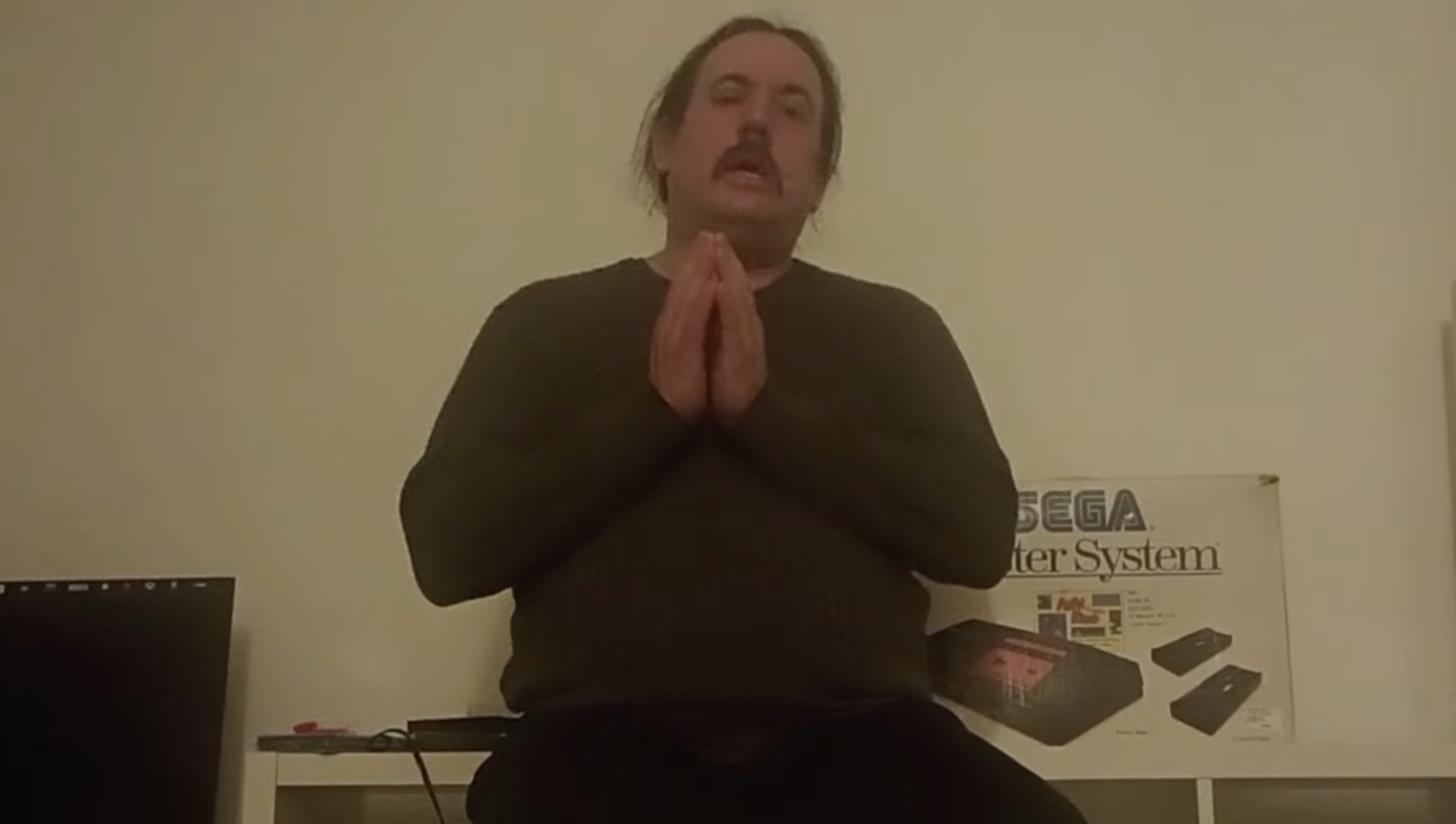
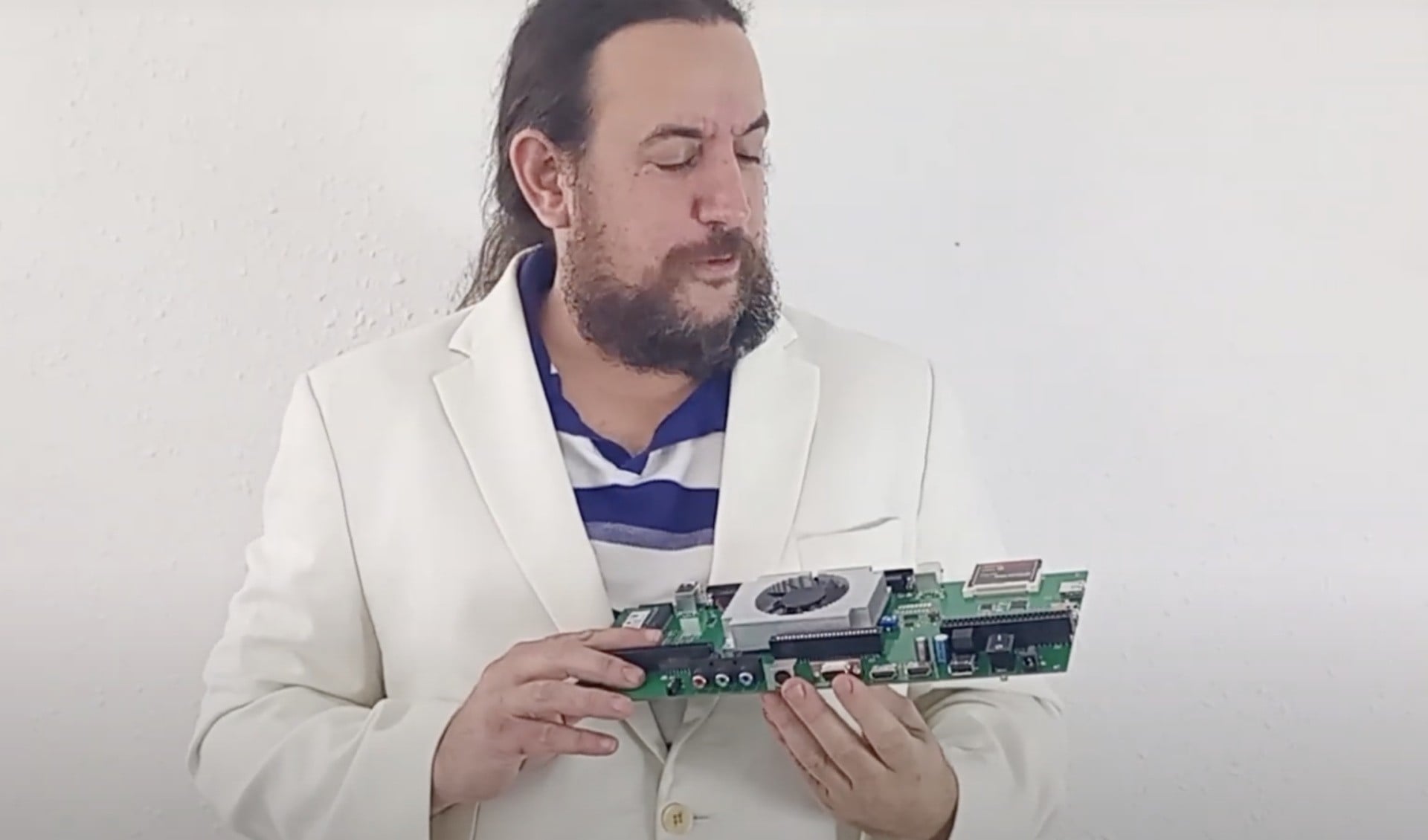
Doubts intensified following the release of SuperSega 'prototype' demonstration videos, which experts criticized for unconvincing hardware setups and ambiguous footage.
The main FPGA chip was obscured, and gameplay appeared less indicative of true hardware emulation and more suggestive of standard PC-based emulation.
Despite mounting skepticism, Martín continued promoting the project.
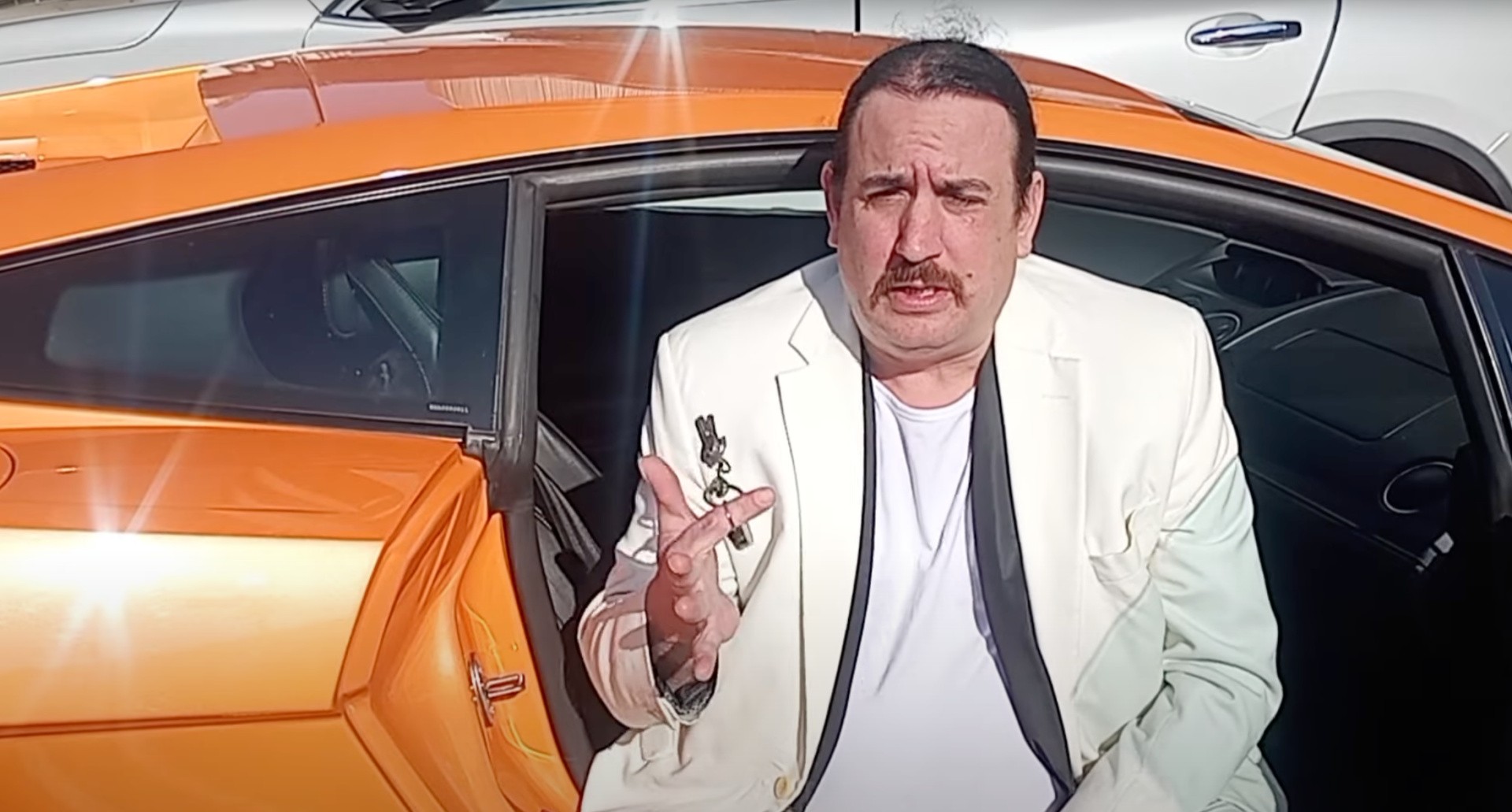
In a high-profile November 2024 video, he made a public appeal for more pre-orders, notably stepping out of a Lamborghini Gallardo to do so.
Those who paid an initial $3 pre-order fee soon realized their accounts had been charged the full device amount, despite no evidence of a viable product.
Martín cited concerns over video quality and claimed competitive firms like Analogue might poach his intellectual property, but this did little to reassure would-be backers.
Legal Pressure and Public Unraveling
As the project's credibility unraveled, Sega's legal representatives formally requested the SuperSega name be abandoned and all prototypes destroyed.
Verified by independent outlets including Time Extension, this legal action marked a clear stance from Sega and lent legitimacy to concerns about trademark infringement.
Meanwhile, live demonstration attempts of the console did little to inspire confidence—several games wouldn’t load, some lacked sound, and the overall presentation further eroded public trust.
Interviews conducted by broadcaster Iain Lee and co-host Katherine Boyle highlighted Martín’s evasiveness on financial and technical questions.
Boyle observed that, even in his native Spanish, Martín failed to provide coherency or credible assurances about the missing preorder funds, which reportedly totaled approximately €133,000.
After months of confusion, Martín ultimately announced the project's closure in December 2025.
In an email seen by Time Extension, he stated, "This is the end, after weeks and months, SuperSega is officially dead.
There will be no more videos, no more news, unless resurrected, which is almost impossible."
Lessons for Crowdfunding and Retro Gaming Enthusiasts
The SuperSega ordeal stands as a warning for both developers and consumers engaging in the crowdfunding space, especially within the passionate retro gaming market.
While innovative solutions like those from Analogue and MiSter FPGA prove what’s possible when credible engineering meets transparency, SuperSega became emblematic of how quickly high ambitions and poor execution can collide.
For Sega fans and contributors, the saga underscores the importance of diligence and verified progress before supporting hardware campaigns, no matter how exciting the premise.
In the world of retro gaming hardware, few stories have encapsulated both the hopes and pitfalls of crowdfunding quite like the now-defunct SuperSega project.
First announced in mid-2024, SuperSega—a crowdfunded retro console—promised unprecedented hardware-level compatibility for every key Sega home platform, from the Master System to the Dreamcast.
Spearheaded by Spanish engineer Alejandro Martín, the bold campaign attracted attention with the potential to rival heralded FPGA-based devices like the Analogue Pocket and MiSter FPGA.
However, the project instead became one of the most notorious cases of crowdfunding gone wrong in the video game industry, ultimately culminating in legal action and dashed consumer trust.
The SuperSega Story: Ambition Meets Controversy
SuperSega began its promotional push in June 2024, reaching out to prominent gaming news outlets with claims of groundbreaking technology.
The purported all-in-one console was said to leverage a high-end Virtex Ultrascale+ FPGA chip, promising precise hardware-level emulation of the Sega Master System, Mega Drive / Genesis, Saturn, and Dreamcast.
While FPGA chips are used in products like the Analogue Pocket and MiSter FPGA, no commercially available device had succeeded in running Dreamcast titles—a feat Martín claimed his team had accomplished.
Such claims immediately intrigued the retro community, though concerns quickly surfaced about the use of Sega's trademark in a third-party product.
When questioned in October 2024, Martín brushed off the legal risks, asserting that Sega had no objections and that active discussions with the Japanese publisher were ongoing.
However, skepticism grew as more details surfaced.
A History of Red Flags
Investigations revealed Martín’s previous failed crowdfunded venture: an 8K camera by his company Cinimartin that never shipped and resulted in bankruptcy.
Doubts intensified following the release of SuperSega 'prototype' demonstration videos, which experts criticized for unconvincing hardware setups and ambiguous footage.
The main FPGA chip was obscured, and gameplay appeared less indicative of true hardware emulation and more suggestive of standard PC-based emulation.
Despite mounting skepticism, Martín continued promoting the project.
In a high-profile November 2024 video, he made a public appeal for more pre-orders, notably stepping out of a Lamborghini Gallardo to do so.
Those who paid an initial $3 pre-order fee soon realized their accounts had been charged the full device amount, despite no evidence of a viable product.
Martín cited concerns over video quality and claimed competitive firms like Analogue might poach his intellectual property, but this did little to reassure would-be backers.
Legal Pressure and Public Unraveling
As the project's credibility unraveled, Sega's legal representatives formally requested the SuperSega name be abandoned and all prototypes destroyed.
Verified by independent outlets including Time Extension, this legal action marked a clear stance from Sega and lent legitimacy to concerns about trademark infringement.
Meanwhile, live demonstration attempts of the console did little to inspire confidence—several games wouldn’t load, some lacked sound, and the overall presentation further eroded public trust.
Interviews conducted by broadcaster Iain Lee and co-host Katherine Boyle highlighted Martín’s evasiveness on financial and technical questions.
Boyle observed that, even in his native Spanish, Martín failed to provide coherency or credible assurances about the missing preorder funds, which reportedly totaled approximately €133,000.
After months of confusion, Martín ultimately announced the project's closure in December 2025.
In an email seen by Time Extension, he stated, "This is the end, after weeks and months, SuperSega is officially dead.
There will be no more videos, no more news, unless resurrected, which is almost impossible."
Lessons for Crowdfunding and Retro Gaming Enthusiasts
The SuperSega ordeal stands as a warning for both developers and consumers engaging in the crowdfunding space, especially within the passionate retro gaming market.
While innovative solutions like those from Analogue and MiSter FPGA prove what’s possible when credible engineering meets transparency, SuperSega became emblematic of how quickly high ambitions and poor execution can collide.
For Sega fans and contributors, the saga underscores the importance of diligence and verified progress before supporting hardware campaigns, no matter how exciting the premise.