When the original PlayStation launched in Japan in December 1994, gamers were treated to a slate of innovative titles that would shape the future of console gaming.
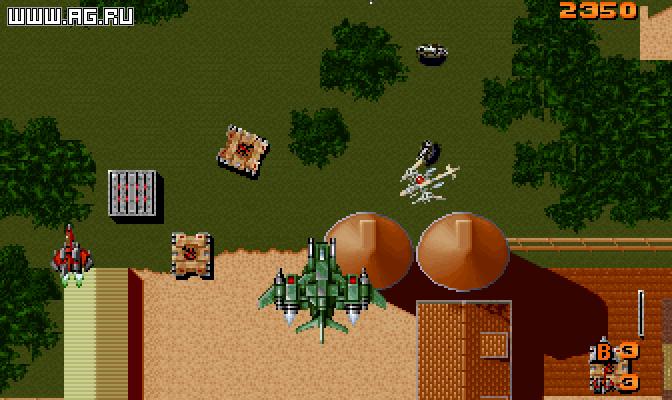
Among these was Seibu Kaihatsu’s The Raiden Project—a collection bundling two classic arcade shoot-'em-ups: Raiden (1990) and Raiden II (1993).
Released in early 1995 in Japan and later that year in North America and Europe, The Raiden Project remains a notable entry in PlayStation and shoot-'em-up histories.
But few know the unusual circumstances that enabled its development for Sony’s iconic hardware.
In a recent interview with Time Extension, Richard Honeywood—an Australian developer involved in the project—shared insight on how Seibu Kaihatsu financed this key PlayStation launch title.
According to Honeywood, Sony Music initiated talks with Seibu Kaihatsu about porting Raiden and Raiden II for the forthcoming PlayStation platform.
While initial discussions were met with skepticism from Seibu Kaihatsu president Hitoshi Hamada, the studio eventually agreed to move forward, only to be stymied by a lack of funds for the project.
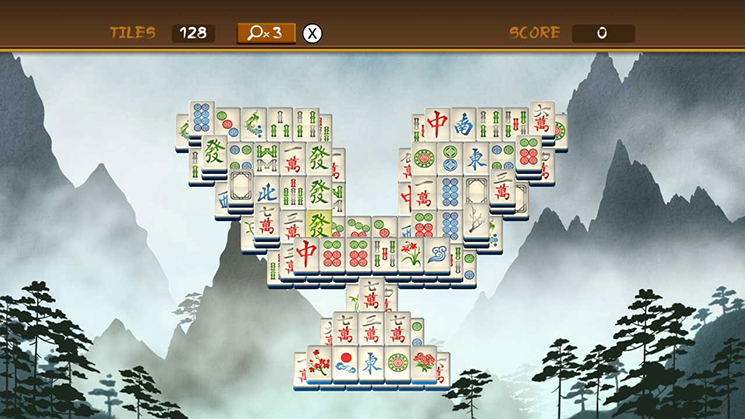
The solution came from a tried and tested formula in the Japanese arcade industry: the team decided to develop a strip mahjong title as a quick revenue generator.
These types of games were lucrative due to their established fan base and comparatively short development cycles.
Honeywood explained, "They made strip mahjong games because they were sure to turn a profit.
There’s a dedicated audience that always buys them, regardless of how similar each new title is."
However, Seibu Kaihatsu took care to distance its core brand from these adult-oriented releases.
As Honeywood noted, the company “never published these titles under the Seibu Kaihatsu name; they always appeared under other labels.” This strategic separation allowed the studio to maintain its reputation while generating the necessary funds to greenlight The Raiden Project for the PlayStation.
The specific mahjong game developed to fund The Raiden Project remains unconfirmed, although community discussions and sources such as Wikipedia indicate Seibu Kaihatsu collaborated with companies like h.m.p. and Mink on similar projects, and that their offshoot ‘Mahjong Cats’ produced more than two dozen DVD-based mahjong games between 1999 and 2006.
Despite this side of their portfolio, Seibu Kaihatsu is best remembered globally for their mainstream arcade hits, particularly the Raiden series.
After 2005, stewardship of the Raiden franchise transferred to MOSS, a studio established by former Seibu Kaihatsu employees, ensuring the legendary shoot-'em-up series continues to thrive across hardware generations, including modern platforms like the Nintendo Switch.
This story underscores the lengths smaller developers sometimes go to finance projects that leave a lasting mark on the gaming world.
The hidden history of The Raiden Project’s PlayStation release offers a fascinating glimpse into both the business strategies and creative choices behind one of the industry’s enduring classics.
Among these was Seibu Kaihatsu’s The Raiden Project—a collection bundling two classic arcade shoot-'em-ups: Raiden (1990) and Raiden II (1993).
Released in early 1995 in Japan and later that year in North America and Europe, The Raiden Project remains a notable entry in PlayStation and shoot-'em-up histories.
But few know the unusual circumstances that enabled its development for Sony’s iconic hardware.
In a recent interview with Time Extension, Richard Honeywood—an Australian developer involved in the project—shared insight on how Seibu Kaihatsu financed this key PlayStation launch title.
According to Honeywood, Sony Music initiated talks with Seibu Kaihatsu about porting Raiden and Raiden II for the forthcoming PlayStation platform.
While initial discussions were met with skepticism from Seibu Kaihatsu president Hitoshi Hamada, the studio eventually agreed to move forward, only to be stymied by a lack of funds for the project.
The solution came from a tried and tested formula in the Japanese arcade industry: the team decided to develop a strip mahjong title as a quick revenue generator.
These types of games were lucrative due to their established fan base and comparatively short development cycles.
Honeywood explained, "They made strip mahjong games because they were sure to turn a profit.
There’s a dedicated audience that always buys them, regardless of how similar each new title is."
However, Seibu Kaihatsu took care to distance its core brand from these adult-oriented releases.
As Honeywood noted, the company “never published these titles under the Seibu Kaihatsu name; they always appeared under other labels.” This strategic separation allowed the studio to maintain its reputation while generating the necessary funds to greenlight The Raiden Project for the PlayStation.
The specific mahjong game developed to fund The Raiden Project remains unconfirmed, although community discussions and sources such as Wikipedia indicate Seibu Kaihatsu collaborated with companies like h.m.p. and Mink on similar projects, and that their offshoot ‘Mahjong Cats’ produced more than two dozen DVD-based mahjong games between 1999 and 2006.
Despite this side of their portfolio, Seibu Kaihatsu is best remembered globally for their mainstream arcade hits, particularly the Raiden series.
After 2005, stewardship of the Raiden franchise transferred to MOSS, a studio established by former Seibu Kaihatsu employees, ensuring the legendary shoot-'em-up series continues to thrive across hardware generations, including modern platforms like the Nintendo Switch.
This story underscores the lengths smaller developers sometimes go to finance projects that leave a lasting mark on the gaming world.
The hidden history of The Raiden Project’s PlayStation release offers a fascinating glimpse into both the business strategies and creative choices behind one of the industry’s enduring classics.