Introduction
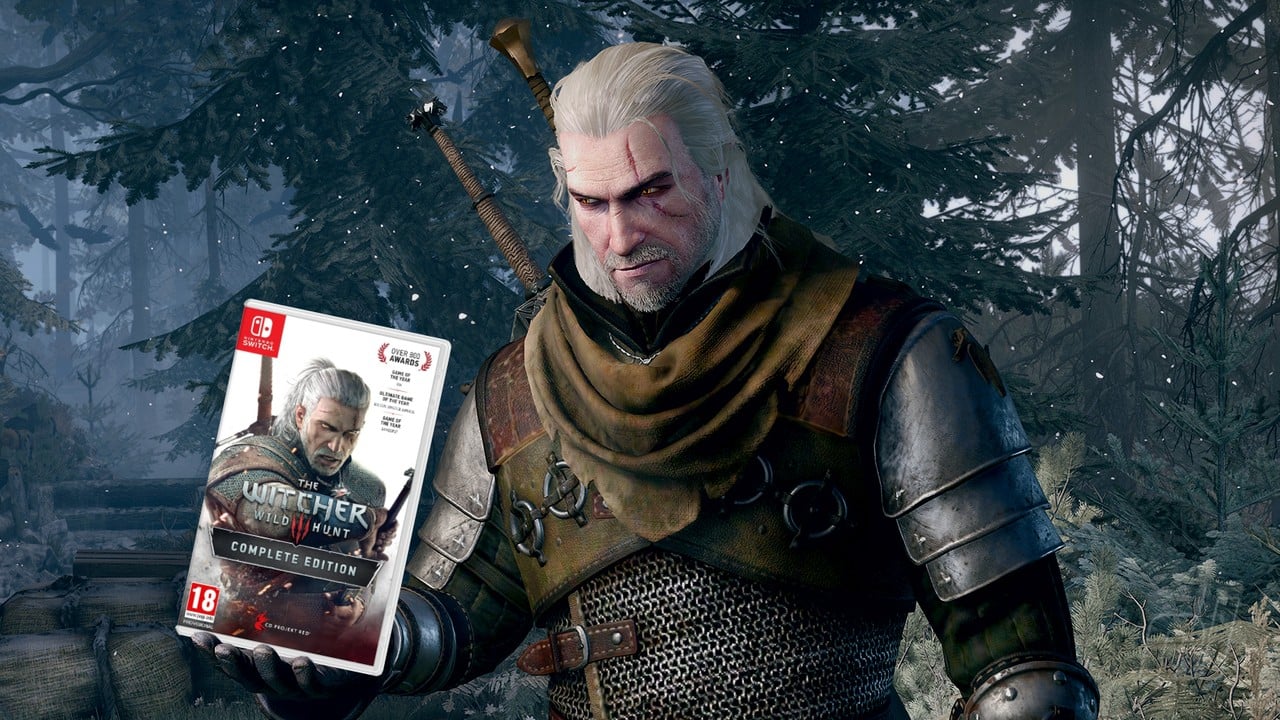
Digital Foundry has published a technical breakdown of The Witcher 3 Remastered on Nintendo Switch 2, outlining how the remaster compares to the original Nintendo Switch release.
The report highlights file-size differences, updated assets and textures, changes to lighting and foliage, and the performance trade-offs players can expect.
CD Projekt Red led the remastering effort with support from porting studio Virtuos, according to the analysis.
Key technical findings (paraphrased)
- File size and assets: Digital Foundry reports the Switch 2 build occupies roughly 55.5GB versus 39.1GB for the original Switch release, reflecting higher-quality assets and improved texture resolution across the project.
- Remaster team and features: The remaster was primarily handled by CD Projekt Red with assistance from Virtuos.
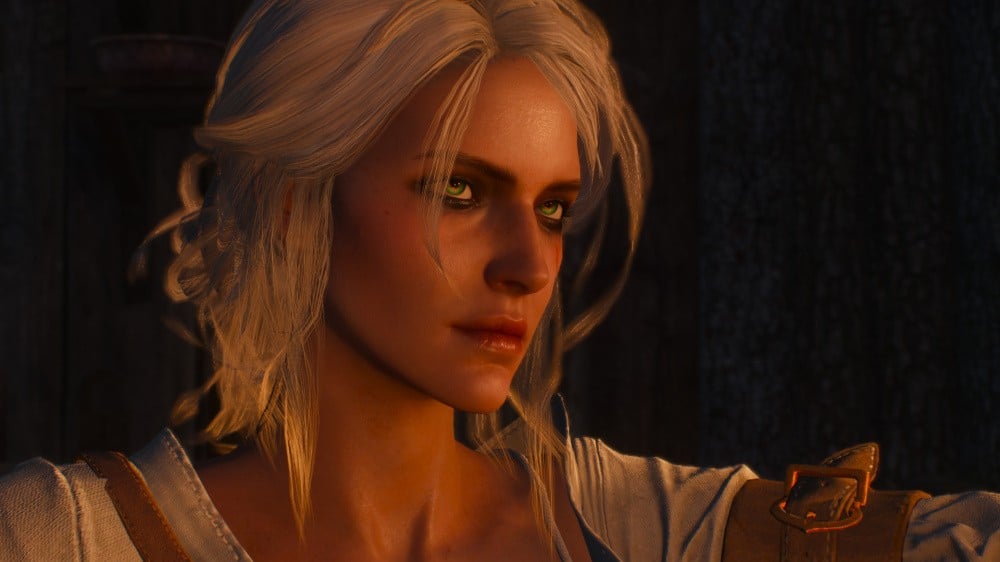
The upgraded build does not introduce hardware ray tracing but includes a reworked lighting system, upgraded physically based textures, refreshed grass and vegetation shading, and enhanced color grading.
- Cutscenes and assets: Pre-rendered cutscenes use higher-bitrate encodes, while texture assets and level-of-detail (LOD) behavior for foliage and geometry have been improved to reduce visual popping.
- Lighting and shadows: The Switch 2 version adds reworked local lighting and dynamic shadows in the environment.
Ambient occlusion appears more precise than on the original Switch release.
- Resolution and upscaling: In docked mode the remaster runs at a dynamic range that Digital Foundry measured between roughly 540p and 1080p, with a DLSS-like upscaling path resolving to a 1080p target in less demanding scenes.
In handheld mode the dynamic range falls between approximately 360p and 720p, with a 720p target when upscaling is active.
- Frame rate and caps: The analysis notes a 40 FPS cap is available when outputting to a 120Hz display; on 60Hz displays a 30 FPS cap applies.
Digital Foundry observed that 40 FPS holds up well in open or less demanding areas but is not consistently sustainable across all locations, and recommends selecting a stable 30 FPS cap for consistent play.
- Controls and quality-of-life: The remaster introduces new combat systems, revised skill tree menus, and Joy-Con mouse/gyro controls for the Nintendo platform.
Availability and context
Digital Foundry’s report focuses on the technical comparison between the Switch and Switch 2 builds and serves as a detailed resource for performance-minded players.
The remastered edition is listed on the Nintendo eShop, and the analysis provides useful guidance for players deciding between frame-rate targets and visual fidelity on Nintendo hardware.
Digital Foundry has published a technical breakdown of The Witcher 3 Remastered on Nintendo Switch 2, outlining how the remaster compares to the original Nintendo Switch release.
The report highlights file-size differences, updated assets and textures, changes to lighting and foliage, and the performance trade-offs players can expect.
CD Projekt Red led the remastering effort with support from porting studio Virtuos, according to the analysis.
Key technical findings (paraphrased)
- File size and assets: Digital Foundry reports the Switch 2 build occupies roughly 55.5GB versus 39.1GB for the original Switch release, reflecting higher-quality assets and improved texture resolution across the project.
- Remaster team and features: The remaster was primarily handled by CD Projekt Red with assistance from Virtuos.
The upgraded build does not introduce hardware ray tracing but includes a reworked lighting system, upgraded physically based textures, refreshed grass and vegetation shading, and enhanced color grading.
- Cutscenes and assets: Pre-rendered cutscenes use higher-bitrate encodes, while texture assets and level-of-detail (LOD) behavior for foliage and geometry have been improved to reduce visual popping.
- Lighting and shadows: The Switch 2 version adds reworked local lighting and dynamic shadows in the environment.
Ambient occlusion appears more precise than on the original Switch release.
- Resolution and upscaling: In docked mode the remaster runs at a dynamic range that Digital Foundry measured between roughly 540p and 1080p, with a DLSS-like upscaling path resolving to a 1080p target in less demanding scenes.
In handheld mode the dynamic range falls between approximately 360p and 720p, with a 720p target when upscaling is active.
- Frame rate and caps: The analysis notes a 40 FPS cap is available when outputting to a 120Hz display; on 60Hz displays a 30 FPS cap applies.
Digital Foundry observed that 40 FPS holds up well in open or less demanding areas but is not consistently sustainable across all locations, and recommends selecting a stable 30 FPS cap for consistent play.
- Controls and quality-of-life: The remaster introduces new combat systems, revised skill tree menus, and Joy-Con mouse/gyro controls for the Nintendo platform.
Availability and context
Digital Foundry’s report focuses on the technical comparison between the Switch and Switch 2 builds and serves as a detailed resource for performance-minded players.
The remastered edition is listed on the Nintendo eShop, and the analysis provides useful guidance for players deciding between frame-rate targets and visual fidelity on Nintendo hardware.