

SuperSega FPGA Console Faces Intense Scrutiny After Prototype Video Raises Concerns
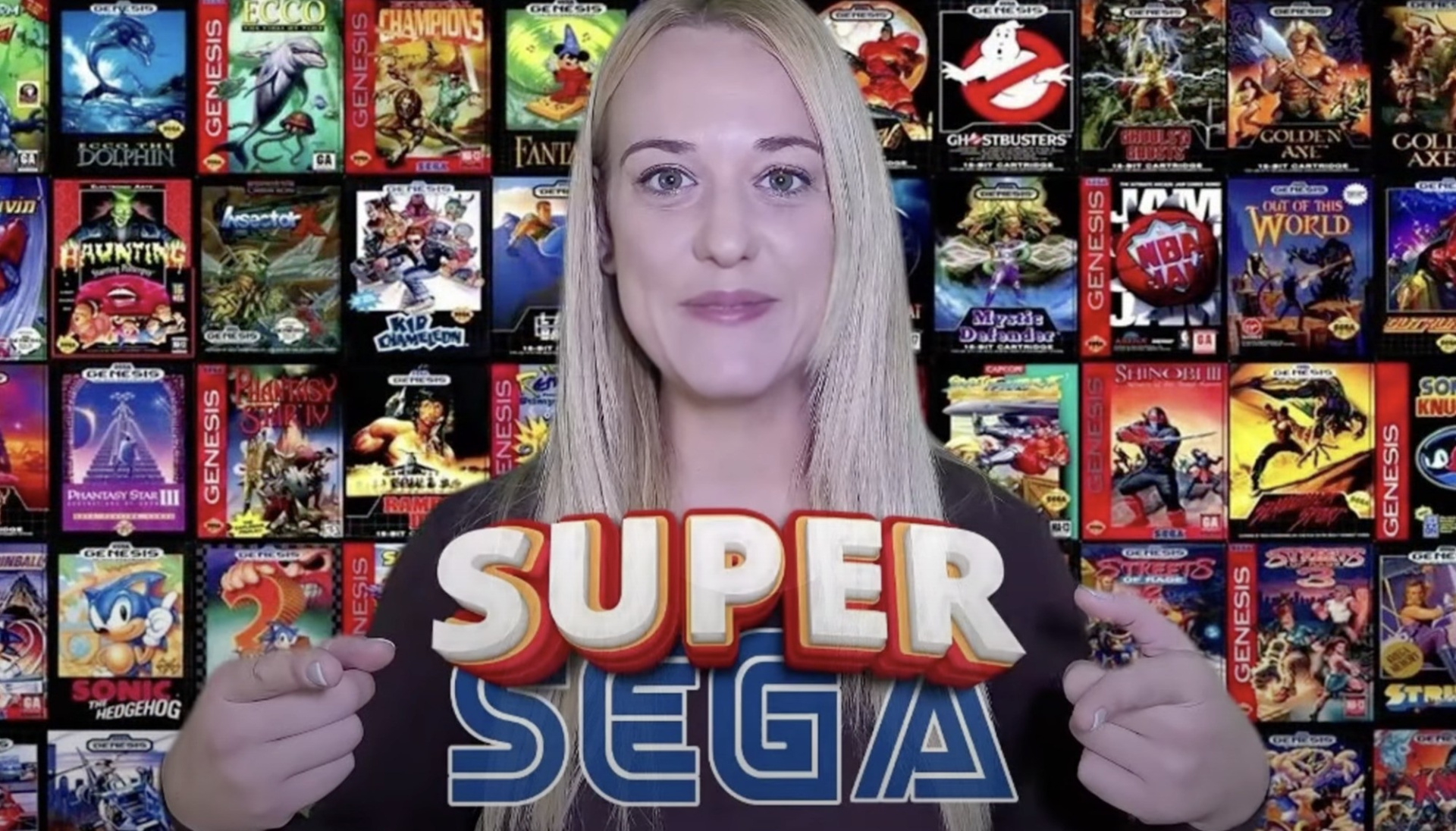
The world of retro gaming hardware development is seldom short on ambitious projects, but few have attracted as much controversy in recent months as the SuperSega FPGA console.
Promoted as an all-in-one solution for playing Sega’s home console library—with the exception of the Sega 32X—this system claims to offer FPGA-level accuracy, a gold standard for preserving classic games on modern hardware.
Despite the appealing proposition and a surge of interest from Sega fans, the SuperSega project has been mired in skepticism since its announcement, with its recent prototype demonstration only fueling doubts within both the developer and enthusiast communities.
The project surfaced on Time Extension, a publication known for its coverage of vintage gaming, and soon generated buzz across popular platforms such as YouTube and Atari Age.
SuperSega’s developer team released a video showcasing their prototype’s printed circuit board (PCB) in action, ostensibly to convince skeptics of the project’s progress.
Instead, the video drew heightened scrutiny.
Observers, including prominent content creators like Video Game Esoterica, highlighted apparent edits in the footage immediately before a game was loaded, undermining the demonstration's credibility.
In response, the SuperSega developers published what they described as an unedited follow-up video, though concerns persisted.
Technical experts and dedicated fans quickly dissected the prototype board’s design, identifying multiple engineering missteps.
Among the most vocal was renowned FPGA developer Kevtris—famed for his work with Analogue’s critically acclaimed consoles—who commented via the Atari Age forums.
In his assessment, “the PCB as shown cannot load or run any games; it fundamentally lacks essential components such as power supplies, adequately placed RAM, HDMI drivers, and voltage regulation.” Addressing the system’s core architecture, Kevtris explained that even the visible DDR RAM module was neither properly connected nor situated close enough to the central processing unit to guarantee effective operation.
He concluded that “everything required to make this FPGA console work is missing,” warning the community that financial support at this stage is unlikely to yield a legitimate or functioning product unless a total redesign occurs.
Further compounding the issue, community figures like Pixel Cherry Ninja reported that the SuperSega team has been deleting negative feedback from their official YouTube videos.
This practice, combined with the technical red flags and an unconventional pre-order process requiring just $3 to reserve a unit, has only amplified concerns; many now perceive the campaign as a possible scam or, at the very least, as vaporware unlikely ever to materialize.
A breakdown of specific design issues highlighted by various hardware enthusiasts included the absence of voltage regulator circuitry, misplaced traces, insufficient decoupling capacitors, lack of digital-to-analog converters for legacy audio outputs, missing HDMI filter circuits, and inappropriate RAM placement—all of which are crucial for a complex FPGA-based console intended to replicate vintage gaming hardware with precision.
Currently, community polls reflect overwhelming skepticism regarding SuperSega’s viability, with more than half of respondents labeling the project a scam, while others remain doubtful about its promise to reach commercial release in a functional state.
In the competitive landscape of retro hardware, transparency, engineering rigor, and accountability remain paramount.
Until the SuperSega team can address the substantive technical critiques and restore trust among retro gaming fans and developers, industry observers advise caution before investing in this contentious project.
The world of retro gaming hardware development is seldom short on ambitious projects, but few have attracted as much controversy in recent months as the SuperSega FPGA console.
Promoted as an all-in-one solution for playing Sega’s home console library—with the exception of the Sega 32X—this system claims to offer FPGA-level accuracy, a gold standard for preserving classic games on modern hardware.
Despite the appealing proposition and a surge of interest from Sega fans, the SuperSega project has been mired in skepticism since its announcement, with its recent prototype demonstration only fueling doubts within both the developer and enthusiast communities.
The project surfaced on Time Extension, a publication known for its coverage of vintage gaming, and soon generated buzz across popular platforms such as YouTube and Atari Age.
SuperSega’s developer team released a video showcasing their prototype’s printed circuit board (PCB) in action, ostensibly to convince skeptics of the project’s progress.
Instead, the video drew heightened scrutiny.
Observers, including prominent content creators like Video Game Esoterica, highlighted apparent edits in the footage immediately before a game was loaded, undermining the demonstration's credibility.
In response, the SuperSega developers published what they described as an unedited follow-up video, though concerns persisted.
Technical experts and dedicated fans quickly dissected the prototype board’s design, identifying multiple engineering missteps.
Among the most vocal was renowned FPGA developer Kevtris—famed for his work with Analogue’s critically acclaimed consoles—who commented via the Atari Age forums.
In his assessment, “the PCB as shown cannot load or run any games; it fundamentally lacks essential components such as power supplies, adequately placed RAM, HDMI drivers, and voltage regulation.” Addressing the system’s core architecture, Kevtris explained that even the visible DDR RAM module was neither properly connected nor situated close enough to the central processing unit to guarantee effective operation.
He concluded that “everything required to make this FPGA console work is missing,” warning the community that financial support at this stage is unlikely to yield a legitimate or functioning product unless a total redesign occurs.
Further compounding the issue, community figures like Pixel Cherry Ninja reported that the SuperSega team has been deleting negative feedback from their official YouTube videos.
This practice, combined with the technical red flags and an unconventional pre-order process requiring just $3 to reserve a unit, has only amplified concerns; many now perceive the campaign as a possible scam or, at the very least, as vaporware unlikely ever to materialize.
A breakdown of specific design issues highlighted by various hardware enthusiasts included the absence of voltage regulator circuitry, misplaced traces, insufficient decoupling capacitors, lack of digital-to-analog converters for legacy audio outputs, missing HDMI filter circuits, and inappropriate RAM placement—all of which are crucial for a complex FPGA-based console intended to replicate vintage gaming hardware with precision.
Currently, community polls reflect overwhelming skepticism regarding SuperSega’s viability, with more than half of respondents labeling the project a scam, while others remain doubtful about its promise to reach commercial release in a functional state.
In the competitive landscape of retro hardware, transparency, engineering rigor, and accountability remain paramount.
Until the SuperSega team can address the substantive technical critiques and restore trust among retro gaming fans and developers, industry observers advise caution before investing in this contentious project.