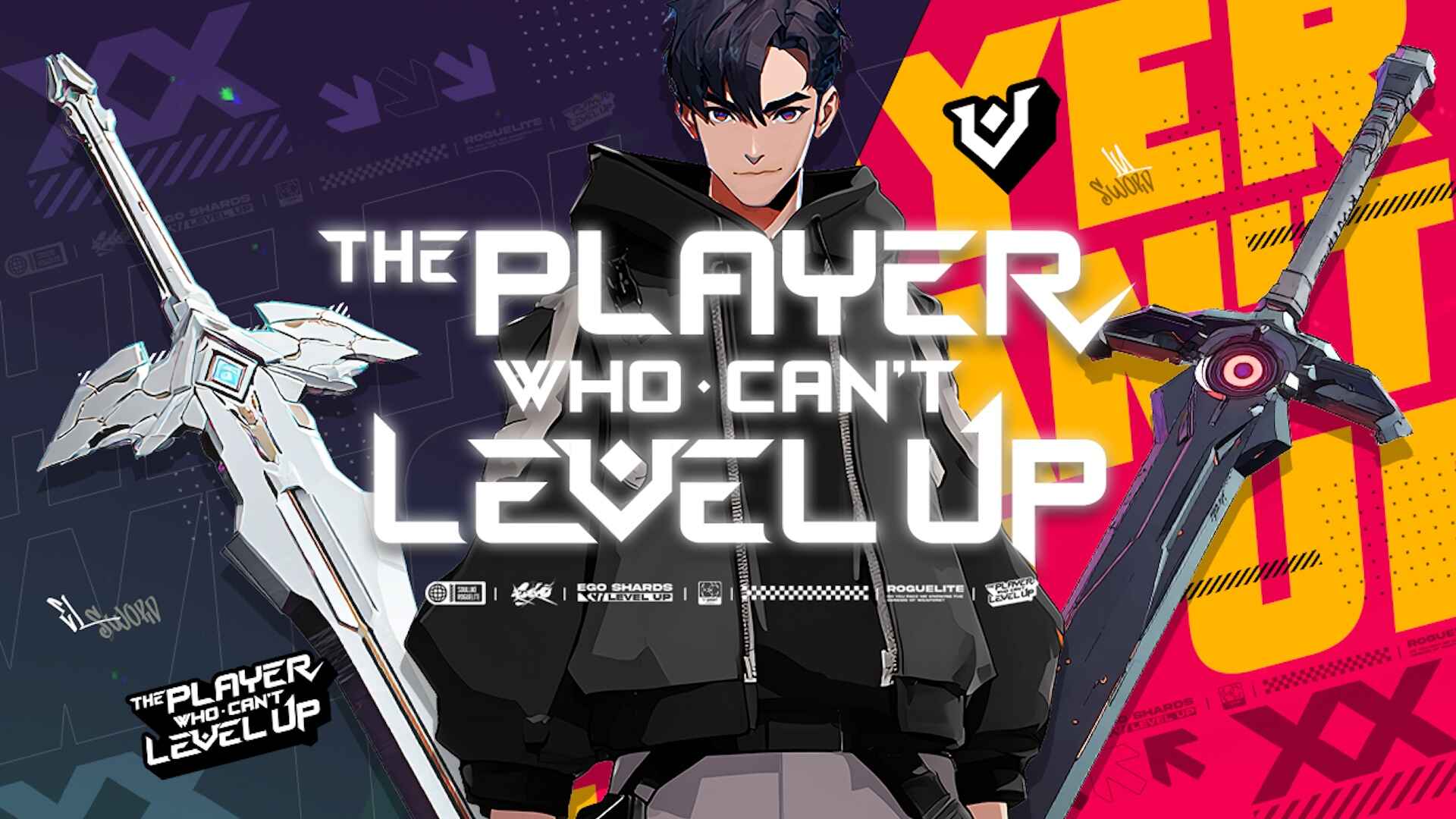
Smilegate and Tripearl Games have confirmed The Player Who Can't Level Up is in development for Nintendo Switch 2, with a planned worldwide digital release on the Nintendo eShop in 2027.
Based on the original web novel and webtoon franchise — which has amassed more than 210 million cumulative views — the game adapts the series' central premise and protagonist into a fully realised 3D action roguelite.
The core narrative follows Kim Kigyu, who awakens as a “Player” but is cursed to remain at Level 1 for five years.
Developers say that rather than following traditional RPG level progression, The Player Who Can't Level Up rewards players through persistent weapon upgrades and a permanent progression system that carries benefits between runs.
In an official announcement, Smilegate and Tripearl described the project as a transition from 2D source material to a third‑person, full 3D action format built on Unreal Engine 5.
They framed the design around high‑octane, stylish combat and repeatable runs: players are encouraged to experiment with limitless build combinations and upgrade paths as they attempt to conquer the game’s tower structure.
Key features outlined by the developer include:
- Stylish, responsive combat: fast swordplay with regular, berserk, and awakening attacks.
- Progress through play: unlockable perks and enhancements that persist between runs to enable evolving strategies.
- Powered by Unreal Engine 5: full 3D visuals, free camera control, and fluid animations.
- A brand‑new narrative: a story created in partnership with the original authors and artists to serve both existing fans and newcomers.
- Replayability at its core: randomised skill combinations and progression paths to encourage experimentation.
- Die without consequence: runs that encourage repeated attempts without punitive permadeath mechanics.
The announcement positions The Player Who Can't Level Up as a distinct take on roguelite design, focused on build‑driven progression and accessible controls.
The game will be released digitally on the Nintendo eShop for Nintendo Switch 2 worldwide in 2027.
Coverage and commentary on the title have been provided by industry reporter Alex Seedhouse, who has specialised in Nintendo coverage for more than 16 years and is a Metacritic‑approved critic.
Based on the original web novel and webtoon franchise — which has amassed more than 210 million cumulative views — the game adapts the series' central premise and protagonist into a fully realised 3D action roguelite.
The core narrative follows Kim Kigyu, who awakens as a “Player” but is cursed to remain at Level 1 for five years.
Developers say that rather than following traditional RPG level progression, The Player Who Can't Level Up rewards players through persistent weapon upgrades and a permanent progression system that carries benefits between runs.
In an official announcement, Smilegate and Tripearl described the project as a transition from 2D source material to a third‑person, full 3D action format built on Unreal Engine 5.
They framed the design around high‑octane, stylish combat and repeatable runs: players are encouraged to experiment with limitless build combinations and upgrade paths as they attempt to conquer the game’s tower structure.
Key features outlined by the developer include:
- Stylish, responsive combat: fast swordplay with regular, berserk, and awakening attacks.
- Progress through play: unlockable perks and enhancements that persist between runs to enable evolving strategies.
- Powered by Unreal Engine 5: full 3D visuals, free camera control, and fluid animations.
- A brand‑new narrative: a story created in partnership with the original authors and artists to serve both existing fans and newcomers.
- Replayability at its core: randomised skill combinations and progression paths to encourage experimentation.
- Die without consequence: runs that encourage repeated attempts without punitive permadeath mechanics.
The announcement positions The Player Who Can't Level Up as a distinct take on roguelite design, focused on build‑driven progression and accessible controls.
The game will be released digitally on the Nintendo eShop for Nintendo Switch 2 worldwide in 2027.
Coverage and commentary on the title have been provided by industry reporter Alex Seedhouse, who has specialised in Nintendo coverage for more than 16 years and is a Metacritic‑approved critic.