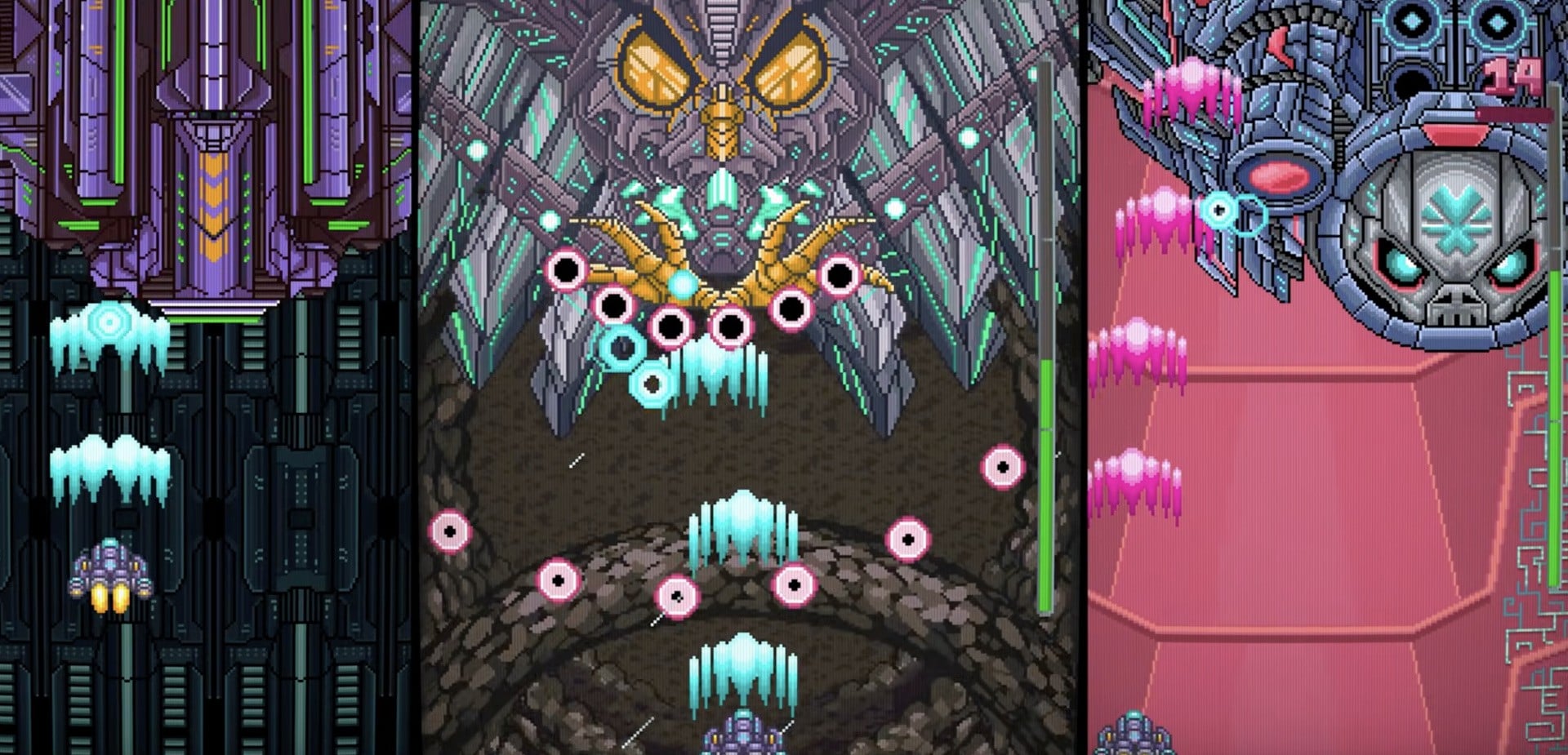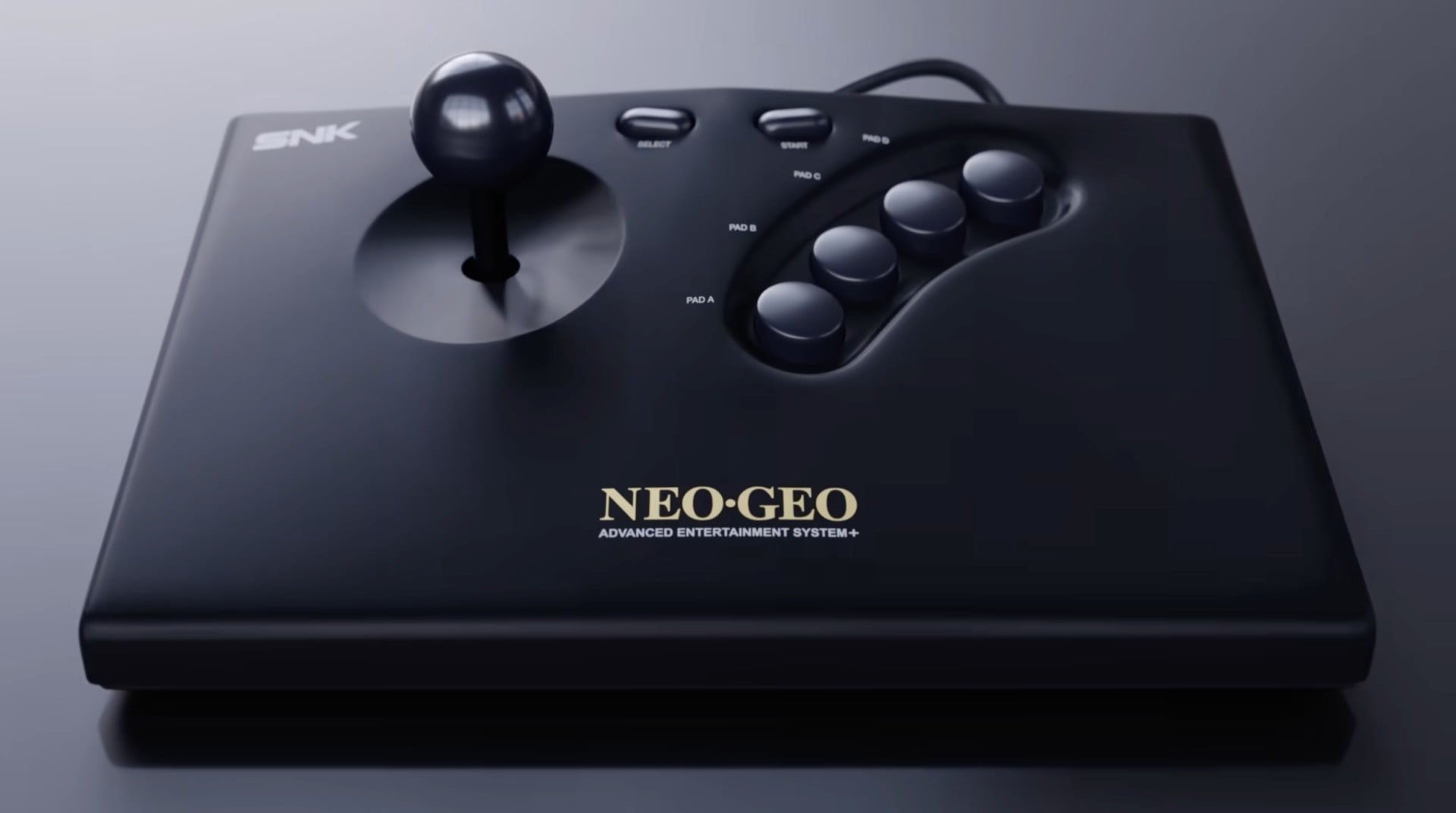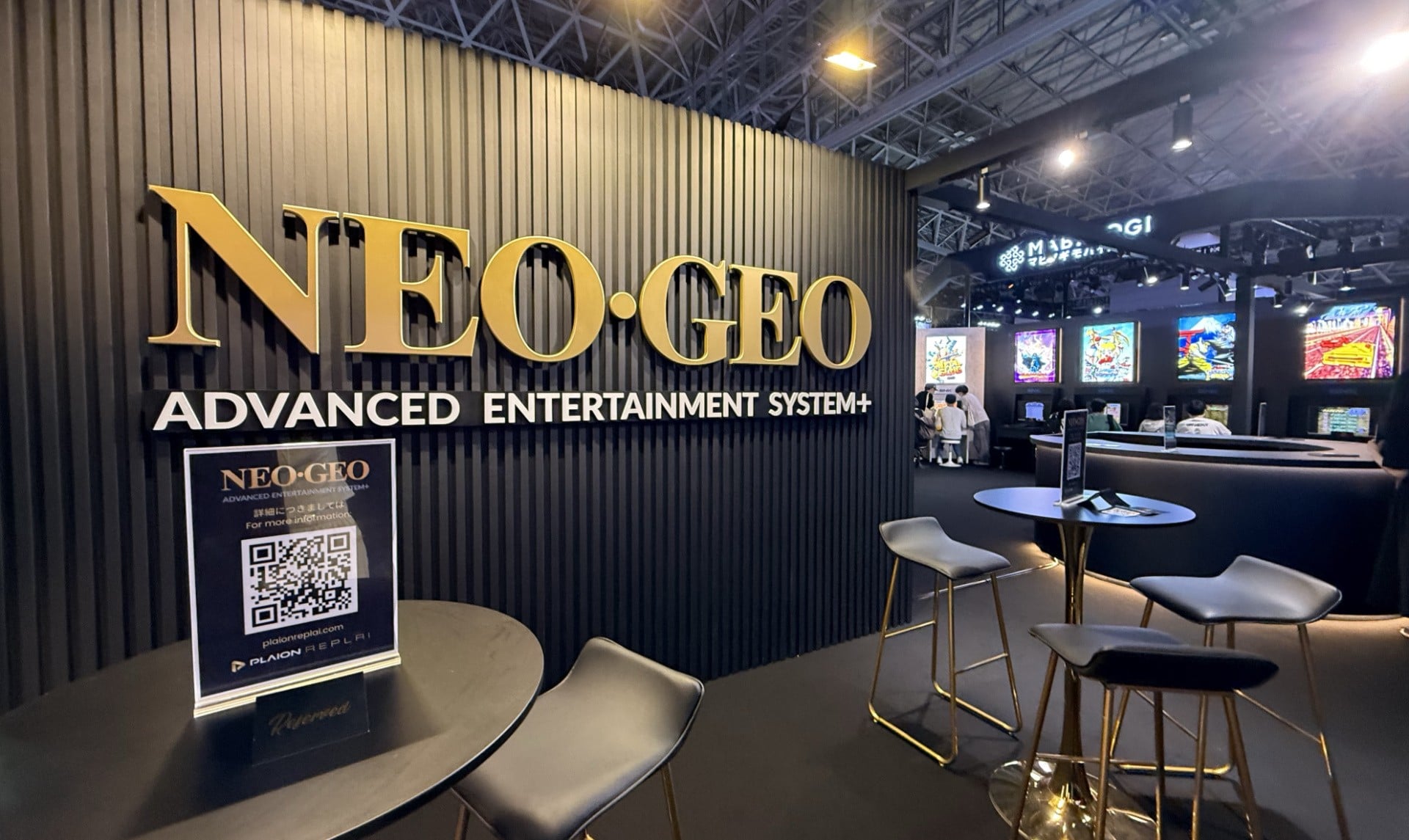




Plaion and SNK’s Neo Geo AES+ — a modern remake of SNK’s original 1990 Neo Geo AES platform that launched franchises like Metal Slug, Fatal Fury, Samurai Shodown and King of Fighters — saw unexpectedly strong pre-order demand earlier this year before its planned holiday launch was pushed back by nearly a year.
Plaion’s hardware and software director Ben Jones spoke with VGC at the Tokyo Game Show about the component shortages that triggered the delay and how the team nearly abandoned the project entirely.
Supply-chain breakdown: Parallel NOR flash shortage
Jones explained that when Plaion moved into production procurement, partners in the region informed the company that the Parallel NOR flash chips it had planned to use were unavailable.
Jones said it was the first time in nearly two decades working with Plaion that suppliers had refused an order for chips.
He described the initial reaction as disbelief at the refusal and frustration at modern procurement realities.
A Taiwan procurement mission and the fail-safe
Jones told VGC he flew to Taiwan to meet suppliers and explore options, but faced long waits just to be considered by chipmakers.
With the clock ticking on a consumer-facing launch, the team examined alternatives.
Plaion had already manufactured the two ASIC chips embedded in the AES+ cartridges that interface with memory and communicate with the console.
That existing stock of cartridge ASICs made a different memory approach feasible.
Paraphrasing Jones: Plaion pivoted to using Serial NOR flash — a more readily available memory type — and developed a conversion so the AES+ could accept serial memory even though the original Neo Geo architecture uses parallel flash.
That engineering pivot and validation work are what extended the project timeline and produced the near-year delay.
How close it came to cancellation
Jones emphasized that without a workable flash memory solution, the Neo Geo AES+ effort would likely have been terminated.
He described a period of exhaustive engagement with partners and suppliers, saying the team pursued every option to deliver the product rather than walk away.
The Neo Geo AES+ delay underlines persistent hardware risks for retro-console projects: legacy architectures can be vulnerable to modern component shortages, and workarounds can require hardware redesign and significant procurement effort.
For more details, Jones’ full discussion with VGC was published following his appearance at the Tokyo Game Show.
Plaion’s hardware and software director Ben Jones spoke with VGC at the Tokyo Game Show about the component shortages that triggered the delay and how the team nearly abandoned the project entirely.
Supply-chain breakdown: Parallel NOR flash shortage
Jones explained that when Plaion moved into production procurement, partners in the region informed the company that the Parallel NOR flash chips it had planned to use were unavailable.
Jones said it was the first time in nearly two decades working with Plaion that suppliers had refused an order for chips.
He described the initial reaction as disbelief at the refusal and frustration at modern procurement realities.
A Taiwan procurement mission and the fail-safe
Jones told VGC he flew to Taiwan to meet suppliers and explore options, but faced long waits just to be considered by chipmakers.
With the clock ticking on a consumer-facing launch, the team examined alternatives.
Plaion had already manufactured the two ASIC chips embedded in the AES+ cartridges that interface with memory and communicate with the console.
That existing stock of cartridge ASICs made a different memory approach feasible.
Paraphrasing Jones: Plaion pivoted to using Serial NOR flash — a more readily available memory type — and developed a conversion so the AES+ could accept serial memory even though the original Neo Geo architecture uses parallel flash.
That engineering pivot and validation work are what extended the project timeline and produced the near-year delay.
How close it came to cancellation
Jones emphasized that without a workable flash memory solution, the Neo Geo AES+ effort would likely have been terminated.
He described a period of exhaustive engagement with partners and suppliers, saying the team pursued every option to deliver the product rather than walk away.
The Neo Geo AES+ delay underlines persistent hardware risks for retro-console projects: legacy architectures can be vulnerable to modern component shortages, and workarounds can require hardware redesign and significant procurement effort.
For more details, Jones’ full discussion with VGC was published following his appearance at the Tokyo Game Show.