
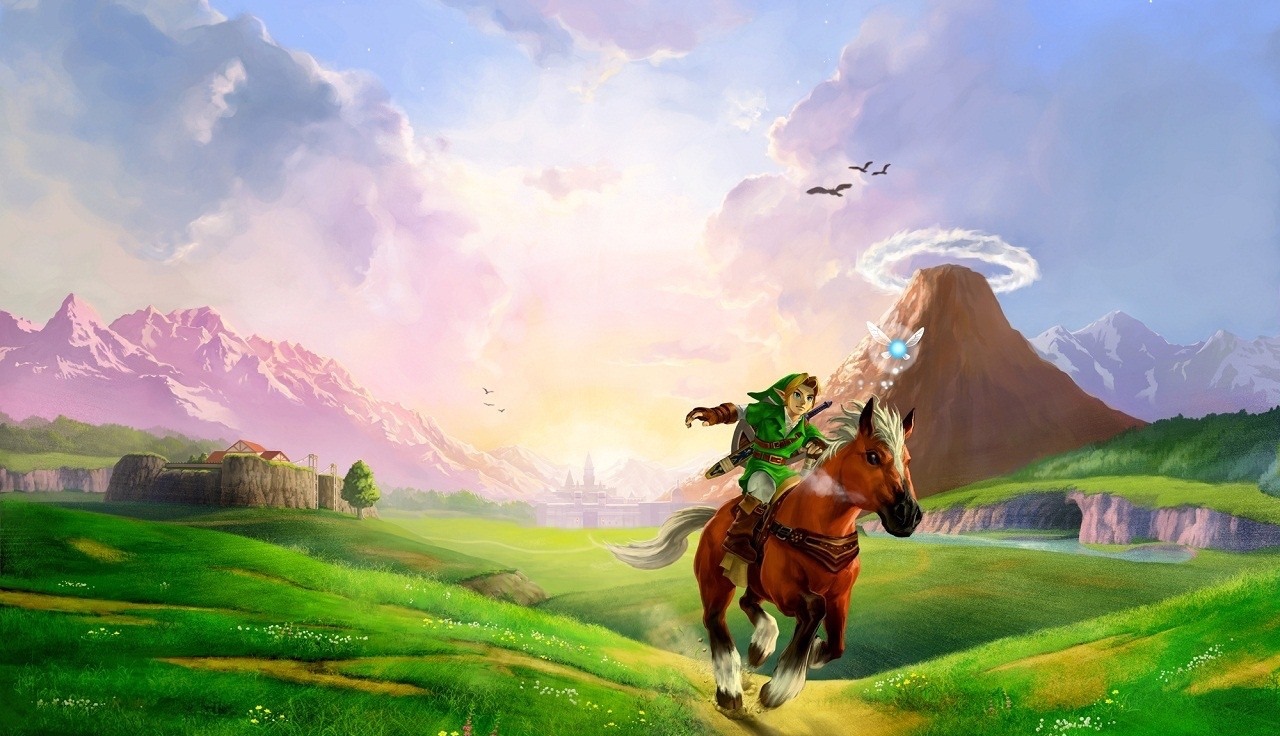




The Legend of Zelda: Ocarina of Time remake ships on Nintendo Switch 2 on November 5, 2026, developed and published in-house by Nintendo.
After Nintendo’s catalogue saw multiple high-profile remakes on the original Switch — including Super Mario RPG, Link’s Awakening, and Xenoblade Chronicles — the company returned to its most influential 3D adventure with a full rebuild of the 1998 Nintendo 64 classic.
Nintendo previously released an enhanced port on 3DS in 2011; this new Switch 2 version is a ground-up remake designed to leverage the more powerful hardware.
A new visual identity and technical polish
The remake adopts a stylized, puppet-theater-inspired character art direction and extensive environmental overhaul.
Reviewers note that the new visuals make every area of Hyrule feel densely detailed: Kokiri Forest shows individual leaf motion, Zora’s Domain features improved reflections and water plants, and Hyrule Field is populated with textured grass blades and small streams absent from the original.
Fog and particle effects are used broadly — including in dungeons and caves where fog interacts with player movement — contributing to a cinematic presentation that reviewers call Nintendo’s most impressive remake to date and among the best-looking games on Nintendo Switch 2.
Sound design and orchestration
Audio plays a central role in the remake.
The soundtrack has been newly orchestrated, while many iconic tracks retain instrumentation that preserves their original character.
Overworld areas now include dedicated night music where earlier versions were silent, and sound effects reinforce combat weight and enemy presence.
Review coverage highlights the emotional impact of hearing classic tracks like Kakariko Village’s night theme in the updated arrangements.
Gameplay, controls and modern conveniences
Core gameplay remains faithful to the original design, retaining Z-targeting and classic dungeon structure, while adding numerous quality-of-life features.
Notable changes include a sprint button, a dedicated jump button, and the ability to skip ocarina-song cutscenes after performing them.
The remake runs smoothly in docked mode with increased resolution and scales in handheld between approximately 720p and 1080p.
At launch the game does not include a separate Master Mode, and it supports only one manual save slot alongside autosaves.
Player feedback has called out that sprinting is bound to the A button by default, which some find awkward for camera-and-movement control; Switch 2 Pro Controller GL/GR buttons can be reassigned for a more comfortable setup.
Features and platform specifics
The remake includes a Zelda Notes feature that tracks completion status and accepts humming or real instrument input via the Switch 2 microphone to trigger in-game ocarina responses for supported songs.
The title is sold on cartridge and digital eShop; physical preorders included a first-run textured foil cover on some retail editions, with later printings using standard cases.
Nintendo developed the remake internally, a decision reviewers say is reflected in the depth of polish across visuals, audio, NPC schedules, and environmental detail.
Verdict
For players who cherish the original or are discovering Ocarina of Time for the first time, the Switch 2 remake represents a comprehensive modernization that preserves the game’s core while updating presentation and conveniences for 2026 hardware.
Nintendo’s in-house effort delivers an experience that many critics consider essential for Zelda fans on Nintendo Switch 2.


