
Famitsu's weekly review digest for the week of November 8, 2026 included coverage of a modern release of Zelda: Ocarina of Time and Nippon Ichi Software's Prinny Party.
Famitsu's review format aggregates scores from four editors for a combined total out of 40, and this week's write-ups focused on how legacy properties translate to contemporary play expectations.
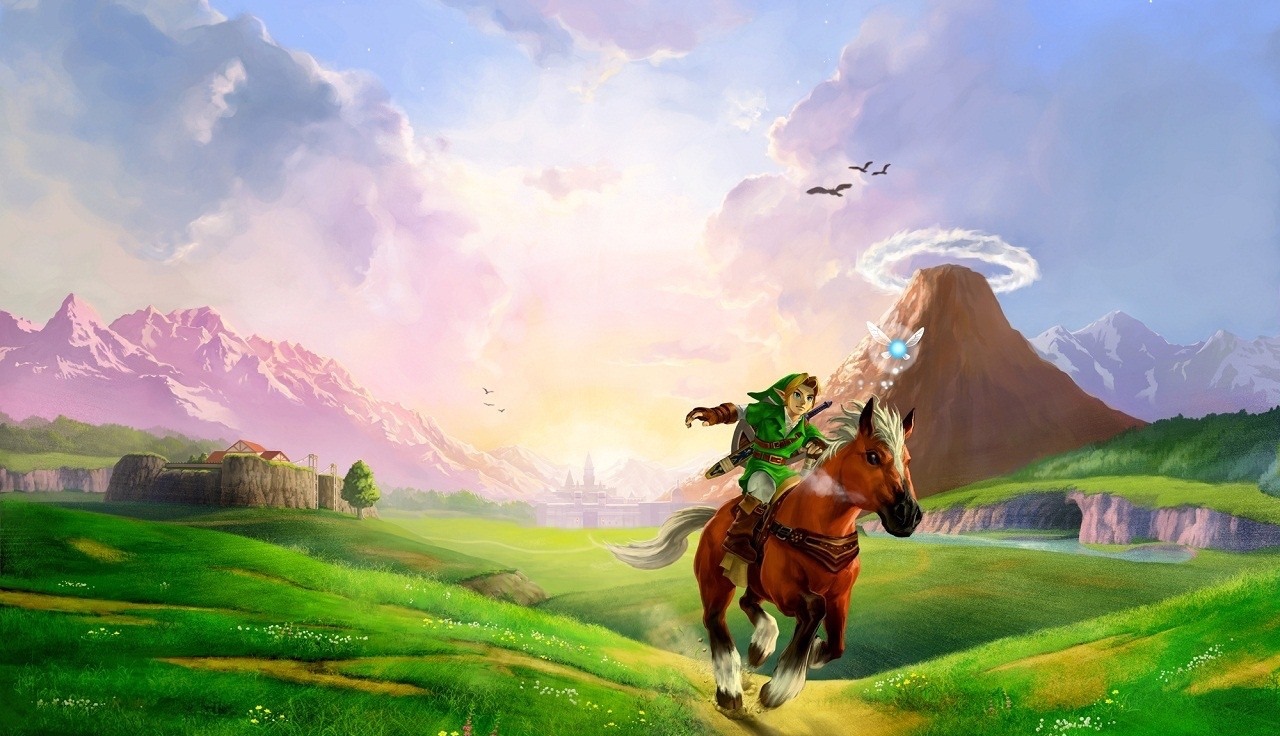
Zelda: Ocarina of Time — legacy design meets modern polish
Famitsu's writers praised the updated Ocarina of Time for modern control schemes and camera freedom, calling the handling "comfortable" and the combat animations satisfying.
Reviewers highlighted that the remake preserves the original's core puzzle-and-exploration structure while adding helpful accessibility features: clearer puzzle hints, a "Threads of Time" feature to review objectives and story progress, and voice acting that brings new clarity to character moments.
One critic summarized that, despite its simpler design compared with recent open-world titles, the game's evolution introduces meaningful surprises and replayability through additional elements and cooperative options.
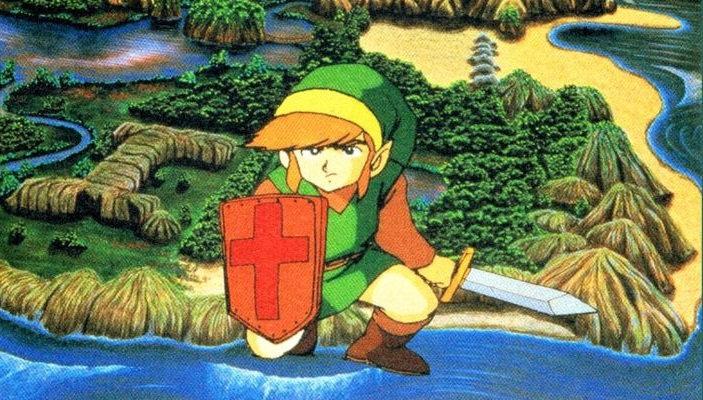
Contextually, Ocarina of Time originated on the Nintendo 64 in 1998 and was later reimagined for Nintendo platforms such as the Nintendo 3DS with the 2011 Ocarina of Time 3D remaster.
Famitsu's reaction underscores how Nintendo's classic franchises continue to be refreshed for modern audiences across console generations, from Nintendo 64 to Nintendo 3DS and into the Switch era.
Prinny Party: Disgaea's chaotic board game spin
Reviewers described Prinny Party as an unconventional blend of board-game mechanics and RPG-style character growth that leans into the Disgaea series' eccentricity.
Famitsu noted the game's semi-cooperative-to-free-for-all structure—players cooperate early on but can immediately turn on each other after key moments such as boss defeats.
The "throwing" mechanic, which lets players stack and upgrade facilities or disrupt opponents, was singled out as a strategic highlight.
Critics also flagged areas of friction: character progression can feel luck-driven, turns sometimes produce little forward momentum, and varying levels of online support across platforms were criticized as a missed opportunity.
Prinny characters trace back to the Disgaea series developed by Nippon Ichi Software, where they have been recurring comic relief since the early 2000s.
Across both reviews, Famitsu balanced appreciation for modernized systems and visual upgrades with attention to pacing and multiplayer implementation.
As always, readers should note Famitsu's four-editor scoring method when comparing totals within the weekly round-up.


