Nintendo has confirmed that The Legend of Zelda: Ocarina of Time will be released for Nintendo Switch 2 in 2026, with both retail and digital editions appearing on the Nintendo eShop worldwide.
The announcement was revealed at the close of a Nintendo Direct presentation, where the company framed the project as a significant new edition of the landmark title.
Background and significance
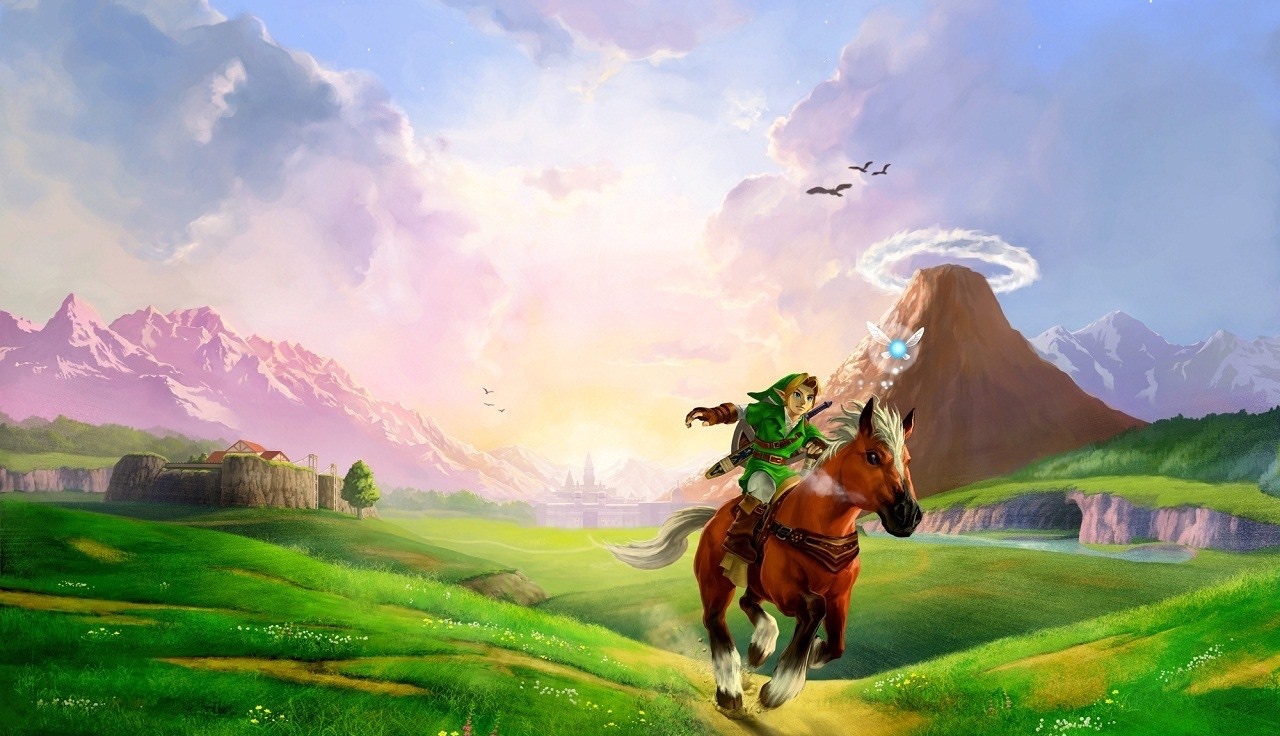
The Legend of Zelda: Ocarina of Time originally launched for the Nintendo 64 in 1998 and is widely regarded as one of the most influential action-adventure games in the medium.
Developed and published by Nintendo, the title established many series conventions and earned long-standing critical acclaim.
A notable rerelease came in 2011, when Grezzo developed Ocarina of Time 3D for the Nintendo 3DS.
What Nintendo announced
In the Nintendo Direct closing segment, Nintendo presented the new Switch 2 version as a return of the classic adventure to Nintendo's current home-handheld platform.
In journalistic terms, Nintendo characterized the project as a rebirth of the 1998 classic tailored for the Nintendo Switch 2 hardware.
The company confirmed the title will be available at retail and as a digital download on the Nintendo eShop, with a global release window set for 2026.
Why this matters
Ocarina of Time's arrival on Nintendo Switch 2 represents a major content addition to Nintendo's launch-era library for its successor hardware.
The original game's pedigree, plus its prior 3DS remake, gives this edition significant visibility among both longtime Zelda fans and players new to the series.
A retail release alongside a digital eShop launch suggests Nintendo is positioning the title for a broad audience across physical and digital markets.
Reporting and attribution
This coverage follows a Nintendo Direct presentation and reporting by industry journalist Alex Seedhouse, who documented the announcement and the confirmed 2026 release details.
Nintendo has provided the official release timing and distribution format; further specifics about editions, pricing, or technical changes were not detailed in the announcement and will likely be disclosed by Nintendo in follow-up communications.
The announcement was revealed at the close of a Nintendo Direct presentation, where the company framed the project as a significant new edition of the landmark title.
Background and significance
The Legend of Zelda: Ocarina of Time originally launched for the Nintendo 64 in 1998 and is widely regarded as one of the most influential action-adventure games in the medium.
Developed and published by Nintendo, the title established many series conventions and earned long-standing critical acclaim.
A notable rerelease came in 2011, when Grezzo developed Ocarina of Time 3D for the Nintendo 3DS.
What Nintendo announced
In the Nintendo Direct closing segment, Nintendo presented the new Switch 2 version as a return of the classic adventure to Nintendo's current home-handheld platform.
In journalistic terms, Nintendo characterized the project as a rebirth of the 1998 classic tailored for the Nintendo Switch 2 hardware.
The company confirmed the title will be available at retail and as a digital download on the Nintendo eShop, with a global release window set for 2026.
Why this matters
Ocarina of Time's arrival on Nintendo Switch 2 represents a major content addition to Nintendo's launch-era library for its successor hardware.
The original game's pedigree, plus its prior 3DS remake, gives this edition significant visibility among both longtime Zelda fans and players new to the series.
A retail release alongside a digital eShop launch suggests Nintendo is positioning the title for a broad audience across physical and digital markets.
Reporting and attribution
This coverage follows a Nintendo Direct presentation and reporting by industry journalist Alex Seedhouse, who documented the announcement and the confirmed 2026 release details.
Nintendo has provided the official release timing and distribution format; further specifics about editions, pricing, or technical changes were not detailed in the announcement and will likely be disclosed by Nintendo in follow-up communications.