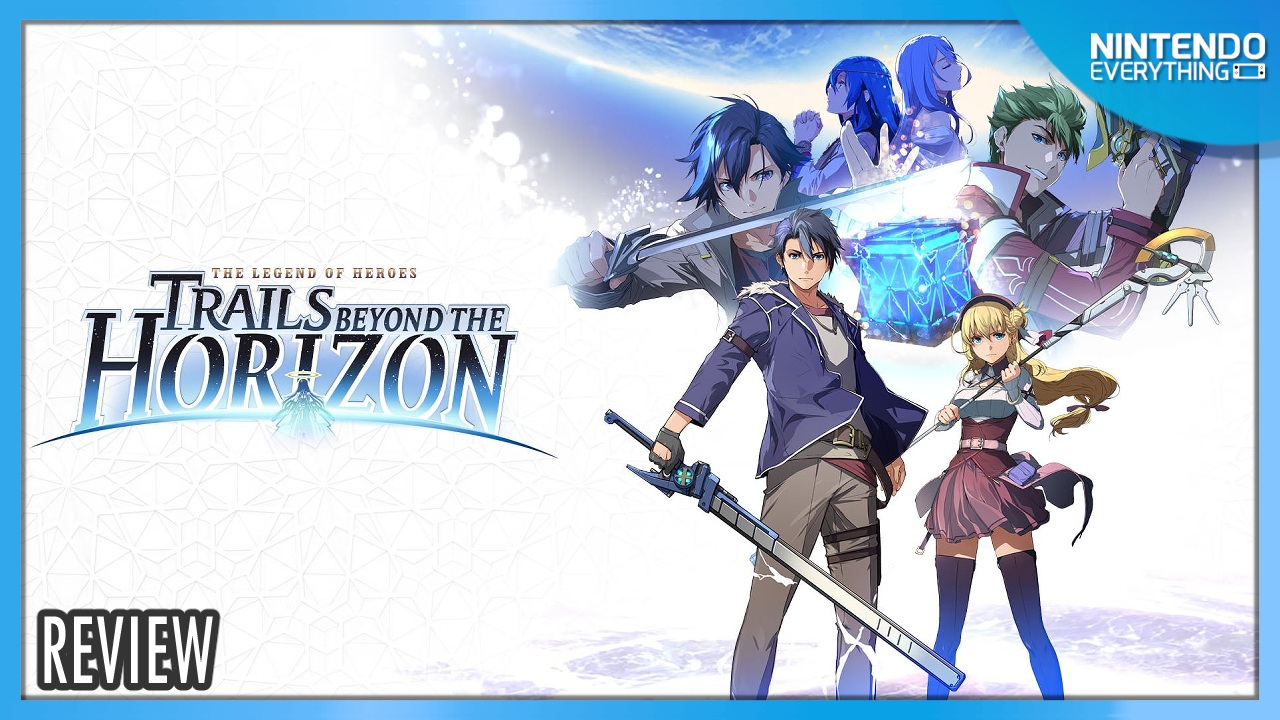

The Legend of Heroes: Trails Beyond the Horizon Review – Falcom’s RPG Saga Continues on Nintendo Switch 2
For over two decades, Nihon Falcom’s The Legend of Heroes series has steadily built one of the most intricate and enduring narratives in video games.
Originating with 2004’s Trails in the Sky, this sprawling saga has woven together multiple story arcs across continents, featuring complex political conflicts and a cast of evolving characters.
Unlike many other long-established JRPG franchises that reset each installment, the Trails series maintains a continuous timeline where political decisions and personal choices resonate across generations, and side characters often return years later, changed by events long past.
Released on January 15, 2026 for Nintendo Switch 2 and Switch, The Legend of Heroes: Trails Beyond the Horizon brings two decades of storytelling ambition to new heights, standing as both a culmination and a new beginning for the series.
A Pivotal Convergence for the Trails Series
Developed by Nihon Falcom and published by NIS America, Trails Beyond the Horizon acts as a convergence point for the franchise, drawing together plot threads from previous titles and launching the series into a new era.
The game is set in the wake of previous arcs, focusing on the political and technological tensions threatening the world of Zemuria as long-hidden truths are exposed.
Rather than following a single, linear narrative, Beyond the Horizon presents multiple scenarios through a three-route structure, blending the perspectives of familiar faces and new protagonists whose interests may conflict.
This narrative weaving delivers a story that feels both grand in scale and deeply personal—grappling with the fate of entire nations, yet never losing sight of the human costs behind the conflicts.
The pacing, however, remains the game’s most significant challenge.
The three-route system, while ambitious, often leads to imbalances.
Van’s storyline receives the most attention, leaving Rean and Kevin’s routes at times underdeveloped.
This results in certain sections dragging on as antagonists are introduced, threats are reiterated, and payoff is delayed until a climactic finale that arrives almost too quickly.
If Nihon Falcom had streamlined some early chapters and allocated more time to the ending, the narrative might have been more cohesive—an issue reminiscent of the series’ Calvard and Cold Steel arcs.
Gameplay Refinements and Mechanical Innovations
Trails Beyond the Horizon builds on the hybrid real-time and turn-based combat systems of its predecessors, refining them rather than reinventing the wheel.
The introduction of the BLTZ mechanic adds a new layer to battles by enabling characters to chain attacks or amplify special moves, although its overall impact is subtle.
The Shard Command system, reminiscent of the Brave Orders in previous entries, has been expanded, providing players with more strategic flexibility.
Shards collected during combat can be used for powerful party-wide effects such as buffs or impactful attacks, deepening the tactical possibilities.
Notably, commands such as Lapis’s Noble Axe offer critical healing during tough encounters, moving beyond simply boosting S-Crafts and making every fight a more dynamic challenge.
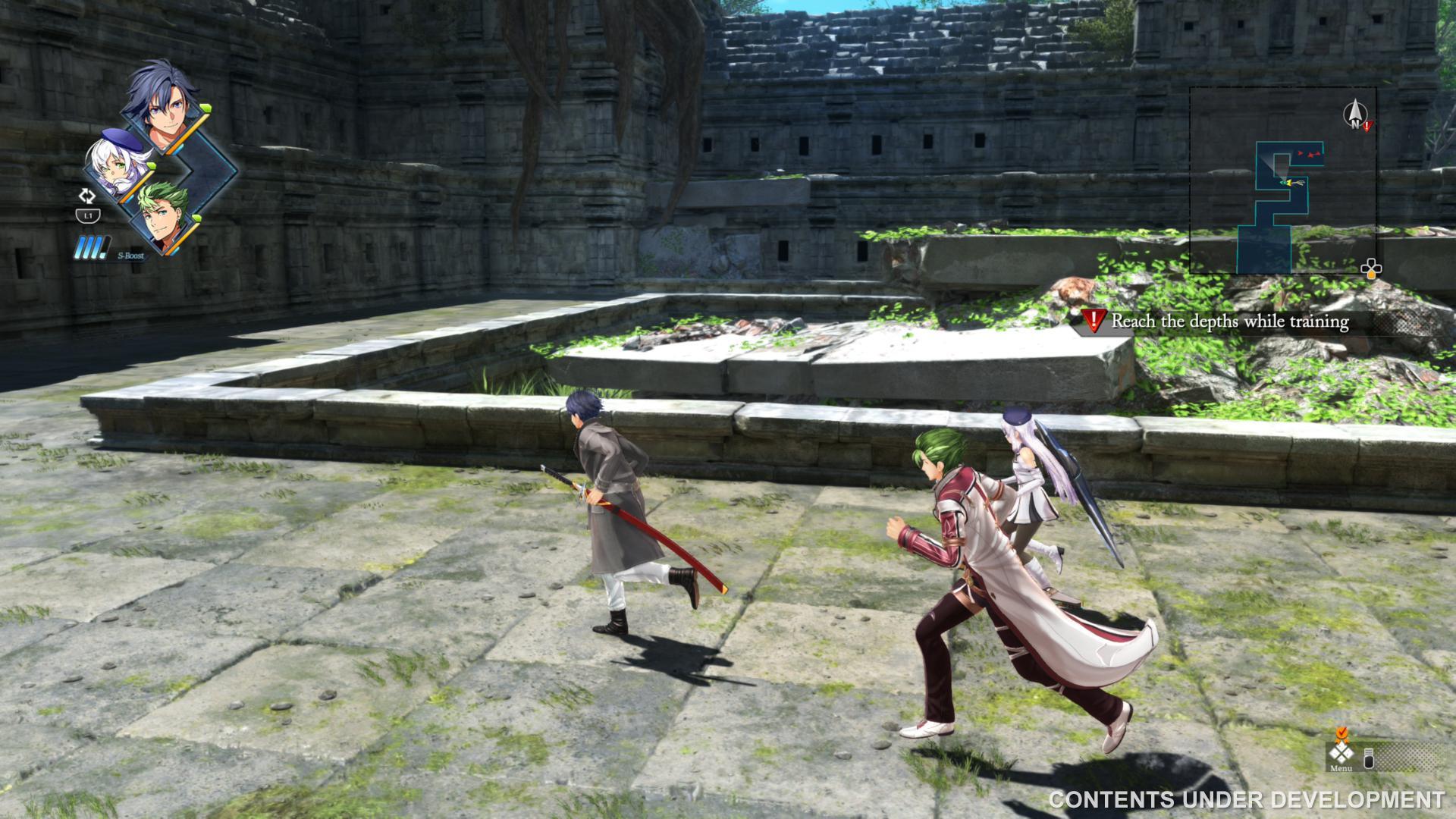
The optional Grim Garten dungeon further expands the gameplay.
Acting as both a sandbox for unrestricted party experimentation and a key narrative stage, the Grim Garten is more than a simple side activity.
As the story progresses, previously accessible sections may become unavailable, and plot-relevant content is woven into the dungeon’s design.
This structure encourages players to fully explore Grim Garten before advancing too far in the main story.
Polished Presentation and Memorable Music
Beyond its narrative and mechanical strengths, Trails Beyond the Horizon stands out in its audiovisual execution.
Falcom’s attention to detail is evident, with enhanced visuals and craft animations making it the most polished Trails experience to date.
Combat feels impactful and challenging, with boss encounters demanding thoughtful preparation.
The game’s soundtrack marks a return to form, with standout tracks such as the Grim Garten battle theme and regional compositions like Longlai’s, complementing the game’s emotional and narrative peaks.
The late-game music, in particular, elevates critical moments, amplifying the sense of payoff and resolution delivered in the final chapters.
Legacy and Lasting Impact
Despite lingering pacing flaws, Trails Beyond the Horizon is clearly a milestone for both Falcom and the Trails saga.
Its refined combat, strong presentation, and ambitious multi-route design demonstrate the studio’s commitment to evolving one of gaming’s most unique universes.
The intricate plot and character development continue to set a high benchmark for narrative-driven JRPGs, even as the structure occasionally stumbles under its own ambition.
As the narrative closes with powerful revelations and new mysteries, the groundwork is laid for future series entries, fueling speculation and anticipation among the fanbase.
In summary, The Legend of Heroes: Trails Beyond the Horizon stands as an essential experience for longtime Trails fans and a testament to Falcom’s storytelling legacy.
Released on Nintendo Switch 2 and Switch, it offers both an exciting continuation and an invitation for deeper exploration—proof that even after two decades, this JRPG saga remains as compelling as ever.
For over two decades, Nihon Falcom’s The Legend of Heroes series has steadily built one of the most intricate and enduring narratives in video games.
Originating with 2004’s Trails in the Sky, this sprawling saga has woven together multiple story arcs across continents, featuring complex political conflicts and a cast of evolving characters.
Unlike many other long-established JRPG franchises that reset each installment, the Trails series maintains a continuous timeline where political decisions and personal choices resonate across generations, and side characters often return years later, changed by events long past.
Released on January 15, 2026 for Nintendo Switch 2 and Switch, The Legend of Heroes: Trails Beyond the Horizon brings two decades of storytelling ambition to new heights, standing as both a culmination and a new beginning for the series.
A Pivotal Convergence for the Trails Series
Developed by Nihon Falcom and published by NIS America, Trails Beyond the Horizon acts as a convergence point for the franchise, drawing together plot threads from previous titles and launching the series into a new era.
The game is set in the wake of previous arcs, focusing on the political and technological tensions threatening the world of Zemuria as long-hidden truths are exposed.
Rather than following a single, linear narrative, Beyond the Horizon presents multiple scenarios through a three-route structure, blending the perspectives of familiar faces and new protagonists whose interests may conflict.
This narrative weaving delivers a story that feels both grand in scale and deeply personal—grappling with the fate of entire nations, yet never losing sight of the human costs behind the conflicts.
The pacing, however, remains the game’s most significant challenge.
The three-route system, while ambitious, often leads to imbalances.
Van’s storyline receives the most attention, leaving Rean and Kevin’s routes at times underdeveloped.
This results in certain sections dragging on as antagonists are introduced, threats are reiterated, and payoff is delayed until a climactic finale that arrives almost too quickly.
If Nihon Falcom had streamlined some early chapters and allocated more time to the ending, the narrative might have been more cohesive—an issue reminiscent of the series’ Calvard and Cold Steel arcs.
Gameplay Refinements and Mechanical Innovations
Trails Beyond the Horizon builds on the hybrid real-time and turn-based combat systems of its predecessors, refining them rather than reinventing the wheel.
The introduction of the BLTZ mechanic adds a new layer to battles by enabling characters to chain attacks or amplify special moves, although its overall impact is subtle.
The Shard Command system, reminiscent of the Brave Orders in previous entries, has been expanded, providing players with more strategic flexibility.
Shards collected during combat can be used for powerful party-wide effects such as buffs or impactful attacks, deepening the tactical possibilities.
Notably, commands such as Lapis’s Noble Axe offer critical healing during tough encounters, moving beyond simply boosting S-Crafts and making every fight a more dynamic challenge.
The optional Grim Garten dungeon further expands the gameplay.
Acting as both a sandbox for unrestricted party experimentation and a key narrative stage, the Grim Garten is more than a simple side activity.
As the story progresses, previously accessible sections may become unavailable, and plot-relevant content is woven into the dungeon’s design.
This structure encourages players to fully explore Grim Garten before advancing too far in the main story.
Polished Presentation and Memorable Music
Beyond its narrative and mechanical strengths, Trails Beyond the Horizon stands out in its audiovisual execution.
Falcom’s attention to detail is evident, with enhanced visuals and craft animations making it the most polished Trails experience to date.
Combat feels impactful and challenging, with boss encounters demanding thoughtful preparation.
The game’s soundtrack marks a return to form, with standout tracks such as the Grim Garten battle theme and regional compositions like Longlai’s, complementing the game’s emotional and narrative peaks.
The late-game music, in particular, elevates critical moments, amplifying the sense of payoff and resolution delivered in the final chapters.
Legacy and Lasting Impact
Despite lingering pacing flaws, Trails Beyond the Horizon is clearly a milestone for both Falcom and the Trails saga.
Its refined combat, strong presentation, and ambitious multi-route design demonstrate the studio’s commitment to evolving one of gaming’s most unique universes.
The intricate plot and character development continue to set a high benchmark for narrative-driven JRPGs, even as the structure occasionally stumbles under its own ambition.
As the narrative closes with powerful revelations and new mysteries, the groundwork is laid for future series entries, fueling speculation and anticipation among the fanbase.
In summary, The Legend of Heroes: Trails Beyond the Horizon stands as an essential experience for longtime Trails fans and a testament to Falcom’s storytelling legacy.
Released on Nintendo Switch 2 and Switch, it offers both an exciting continuation and an invitation for deeper exploration—proof that even after two decades, this JRPG saga remains as compelling as ever.