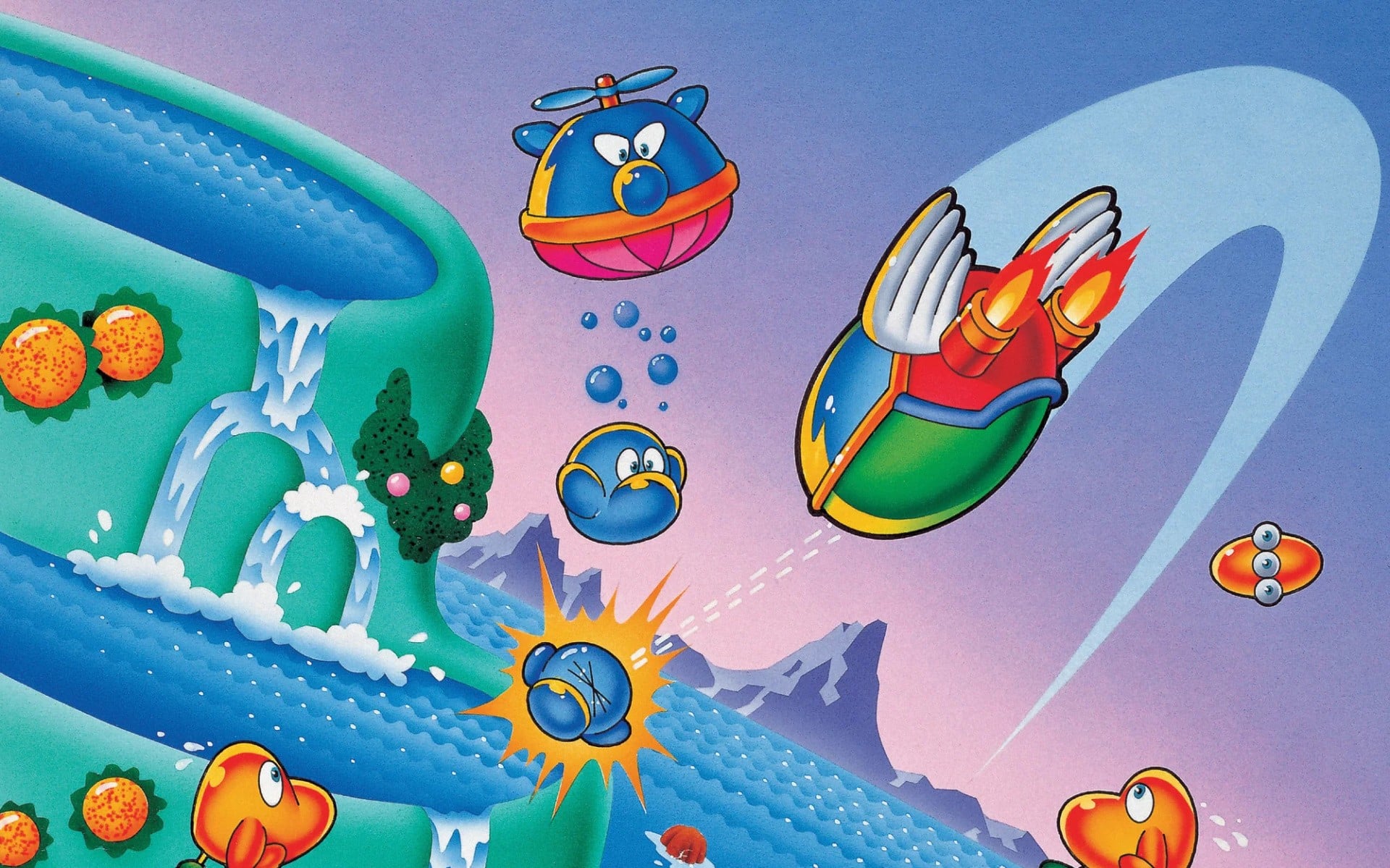


A recent interview with veteran Sega staff has confirmed that character designer Yoko Kobayashi, also credited as Matilda Yoko, was responsible for the iconic cast of Fantasy Zone, including the series mascot Opa Opa.
The revelation comes as the gaming community marks the 40th anniversary of Fantasy Zone, the colorful horizontally scrolling shooter Sega released in arcades in 1986.
The interview, published by Beep21 and highlighted by VGDensetsu, features conversations with Yoji Ishii, Hiroshi Kawaguchi and Masaki Kondoh.
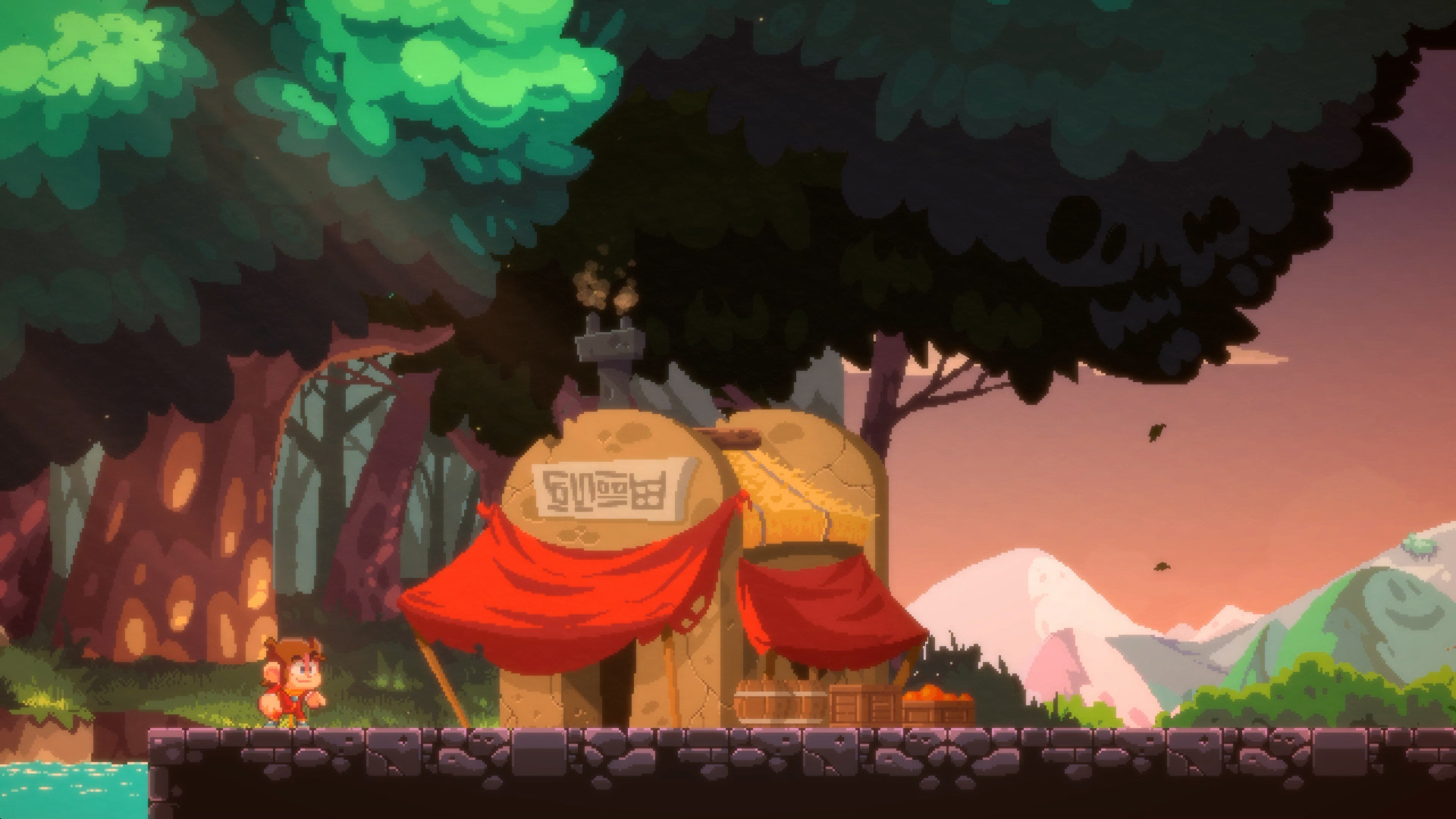
According to the piece, Kobayashi — previously known for designing characters such as Alex Kidd and Teddy Boy — took the lead on Fantasy Zone's character art and the creation of Opa Opa.
The reporting also connects the initials KBY that appear on Fantasy Zone high-score tables to Kobayashi's name.
In journalistic terms, the sources describe Kobayashi as the artist behind the game’s whimsical aesthetic, saying she developed the distinctive ship design and the broader roster of characters that helped define Fantasy Zone’s visual identity.
VGDensetsu notes that Kobayashi is likely the KBY listed on in-game scoreboards, tying an in-game credit to her design work.
The interview underscores how Kobayashi’s contributions have been relatively under-documented within Sega’s public history.
Ramón Nafria, a developer associated with the recent Alex Kidd in Miracle World DX project, told reporters he had been informed Kobayashi passed away some time ago, but he was not provided with a specific date.
That detail remains unconfirmed in public records.
Fantasy Zone has endured as a flagship example of Sega’s arcade-era creativity, spawning sequels and ports and maintaining visibility in retro conversations across modern platforms.
Fans often watch Nintendo Direct updates and check the Nintendo eShop for classic compilations or re-releases that collect Sega’s arcade catalog for systems such as the Nintendo Switch and other contemporary hardware.
This newly surfaced attribution deepens understanding of Fantasy Zone’s development team and highlights the individual artists who shaped Sega’s 1980s character design language.
The Beep21 interview serves as an important primary source for the series’ 40th-anniversary coverage and offers verified credit to Kobayashi for a legacy that includes Opa Opa and other enduring Sega icons.
The revelation comes as the gaming community marks the 40th anniversary of Fantasy Zone, the colorful horizontally scrolling shooter Sega released in arcades in 1986.
The interview, published by Beep21 and highlighted by VGDensetsu, features conversations with Yoji Ishii, Hiroshi Kawaguchi and Masaki Kondoh.
According to the piece, Kobayashi — previously known for designing characters such as Alex Kidd and Teddy Boy — took the lead on Fantasy Zone's character art and the creation of Opa Opa.
The reporting also connects the initials KBY that appear on Fantasy Zone high-score tables to Kobayashi's name.
In journalistic terms, the sources describe Kobayashi as the artist behind the game’s whimsical aesthetic, saying she developed the distinctive ship design and the broader roster of characters that helped define Fantasy Zone’s visual identity.
VGDensetsu notes that Kobayashi is likely the KBY listed on in-game scoreboards, tying an in-game credit to her design work.
The interview underscores how Kobayashi’s contributions have been relatively under-documented within Sega’s public history.
Ramón Nafria, a developer associated with the recent Alex Kidd in Miracle World DX project, told reporters he had been informed Kobayashi passed away some time ago, but he was not provided with a specific date.
That detail remains unconfirmed in public records.
Fantasy Zone has endured as a flagship example of Sega’s arcade-era creativity, spawning sequels and ports and maintaining visibility in retro conversations across modern platforms.
Fans often watch Nintendo Direct updates and check the Nintendo eShop for classic compilations or re-releases that collect Sega’s arcade catalog for systems such as the Nintendo Switch and other contemporary hardware.
This newly surfaced attribution deepens understanding of Fantasy Zone’s development team and highlights the individual artists who shaped Sega’s 1980s character design language.
The Beep21 interview serves as an important primary source for the series’ 40th-anniversary coverage and offers verified credit to Kobayashi for a legacy that includes Opa Opa and other enduring Sega icons.