Sega Universe backlash: fans accuse copy of sounding AI-generated
Sega, the long-standing Japanese game company known for its deep retro catalogue, has come under scrutiny after recent promotional material for its new Sega Universe project drew negative reactions online.
The initiative references classic Sega properties including Fantasy Zone, Out Run, Guardian Heroes, Segagaga and Rent A Hero, and aims to showcase the company's catalog to longtime fans and newcomers alike.
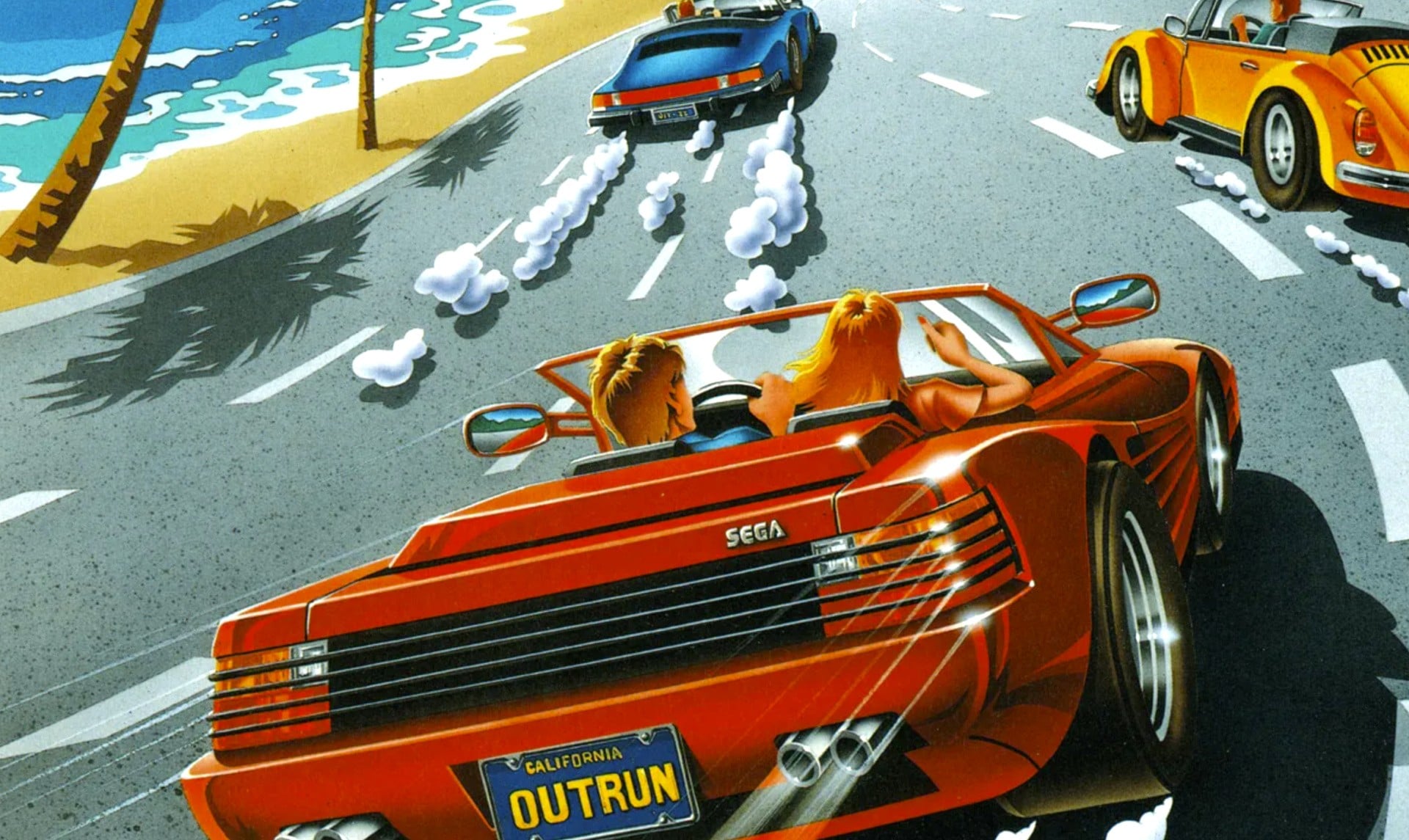
Both Fantasy Zone and Out Run are 1986 arcade-era releases from Sega.
Out Run was directed by Yu Suzuki and is widely cited as an influential driving game; its arcade cabinet options — including a moving sit-down model — helped build the title’s reputation for an immersive sense of speed.
Fantasy Zone is remembered for its bright, colorful shooter design and distinctive shop mechanic that let players purchase power-ups between stages.
Fans on Twitter responded to Sega Universe’s accompanying copy by calling it generic and light on detail.
Translated promotional lines describing Fantasy Zone and Out Run were condensed and rewritten by the campaign to highlight familiar features: Fantasy Zone’s pastel visuals, its in-game shop to buy power-ups and full-range eight-directional movement and challenging boss encounters; and Out Run’s emphasis on “enjoying the drive,” selectable background music and strong sensation of speed supported by its arcade cabinet design.
The promotional text also highlighted Out Run’s soundtrack, with fans frequently citing the track “Magical Sound Shower” among the game’s best-known themes.
Several users asked whether Sega’s team had firsthand experience with the games being profiled.
One frequently shared remark was restated by critics as a challenge to the authenticity of the copy, effectively asking whether staff had actually played the titles being promoted.
Sega has a long record of celebrating its history through ports, compilations and re-releases across modern platforms, and Sega Universe appears to continue that trend.
That said, the negative reaction shows how closely retro communities scrutinize how legacy content is presented.
Sega has not provided additional comment addressing the backlash at the time of writing.
For readers tracking retro game preservation and publisher communication, the episode underscores the importance of clear, detail-rich promotion when engaging a knowledgeable fanbase.
Comments on the Sega Universe rollout remain active on social platforms including Twitter, where fans continue to debate the presentation and substance of the project.
Sega, the long-standing Japanese game company known for its deep retro catalogue, has come under scrutiny after recent promotional material for its new Sega Universe project drew negative reactions online.
The initiative references classic Sega properties including Fantasy Zone, Out Run, Guardian Heroes, Segagaga and Rent A Hero, and aims to showcase the company's catalog to longtime fans and newcomers alike.
Both Fantasy Zone and Out Run are 1986 arcade-era releases from Sega.
Out Run was directed by Yu Suzuki and is widely cited as an influential driving game; its arcade cabinet options — including a moving sit-down model — helped build the title’s reputation for an immersive sense of speed.
Fantasy Zone is remembered for its bright, colorful shooter design and distinctive shop mechanic that let players purchase power-ups between stages.
Fans on Twitter responded to Sega Universe’s accompanying copy by calling it generic and light on detail.
Translated promotional lines describing Fantasy Zone and Out Run were condensed and rewritten by the campaign to highlight familiar features: Fantasy Zone’s pastel visuals, its in-game shop to buy power-ups and full-range eight-directional movement and challenging boss encounters; and Out Run’s emphasis on “enjoying the drive,” selectable background music and strong sensation of speed supported by its arcade cabinet design.
The promotional text also highlighted Out Run’s soundtrack, with fans frequently citing the track “Magical Sound Shower” among the game’s best-known themes.
Several users asked whether Sega’s team had firsthand experience with the games being profiled.
One frequently shared remark was restated by critics as a challenge to the authenticity of the copy, effectively asking whether staff had actually played the titles being promoted.
Sega has a long record of celebrating its history through ports, compilations and re-releases across modern platforms, and Sega Universe appears to continue that trend.
That said, the negative reaction shows how closely retro communities scrutinize how legacy content is presented.
Sega has not provided additional comment addressing the backlash at the time of writing.
For readers tracking retro game preservation and publisher communication, the episode underscores the importance of clear, detail-rich promotion when engaging a knowledgeable fanbase.
Comments on the Sega Universe rollout remain active on social platforms including Twitter, where fans continue to debate the presentation and substance of the project.