
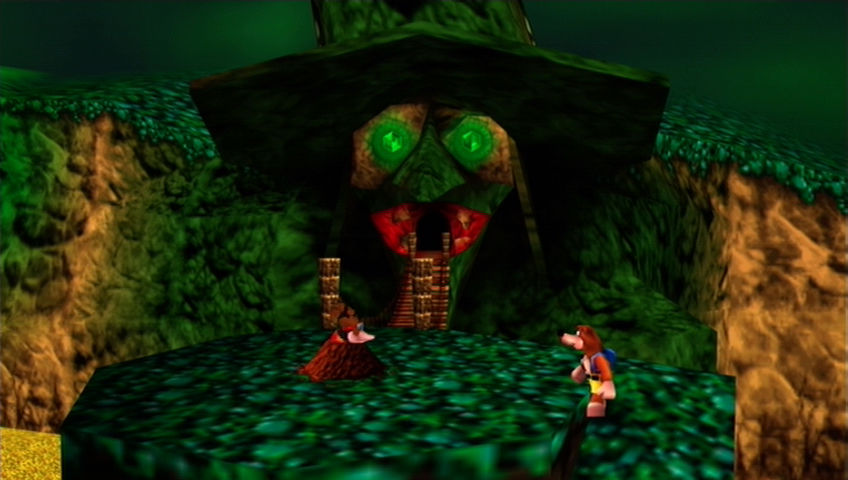
Banjo-Tooie, the celebrated 2000 platformer developed by Rare for the Nintendo 64, remains one of the most innovative titles of its generation.
While known for its expansive worlds and charming duo, Banjo and Kazooie, the sequel stood out for its inclusion of numerous first-person shooter elements—an unusual twist for the genre at the time.
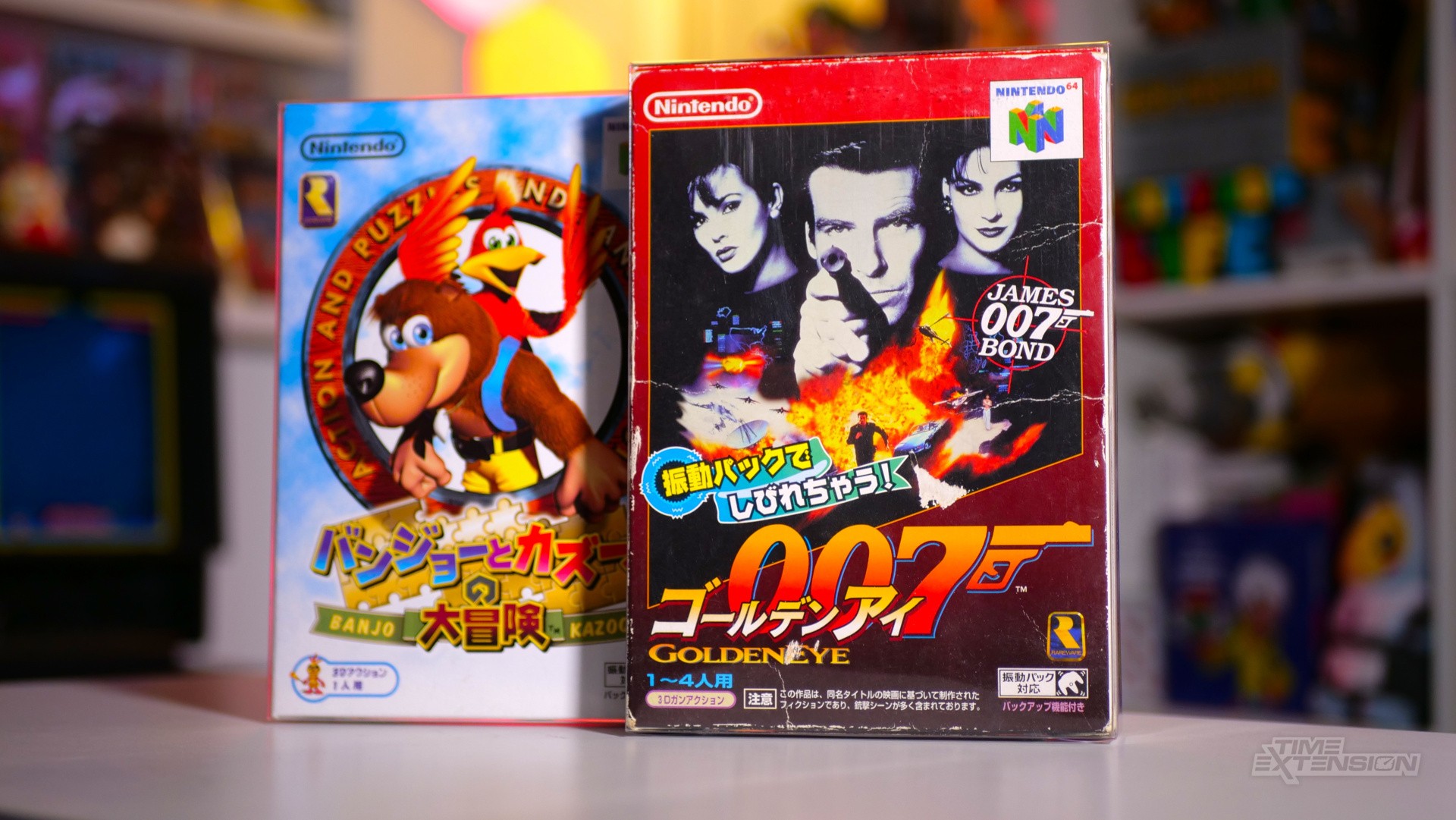
In a recent feature published in Retro Gamer (with coverage by Games Radar), new insights have emerged into how a fellow Rare classic, GoldenEye 007, left a lasting legacy on Banjo-Tooie’s distinctive design.
The article shares a conversation with Chris Sutherland, a former Rare developer who played a pivotal role in Banjo-Tooie’s creation.
Sutherland revealed that several team members developed a routine of playing GoldenEye 007 together during lunch breaks over the course of a few years.
This experience, he noted, was a major influence on Banjo-Tooie’s design choices, particularly the integration of first-person gameplay segments—a notable departure from traditional platforming mechanics.
"A group of about four or five of us on the Banjo team regularly played GoldenEye 007 at lunch, sometimes for a couple of years.
That had a strong influence on Banjo-Tooie’s development," Sutherland told Retro Gamer.
"From there, director Gregg Mayles had the idea of splitting Banjo and Kazooie as separate characters before allowing them to team up again.
This change naturally limited each character's moveset, creating opportunities for new challenges and gameplay missions that revolved around their unique abilities when apart."
GoldenEye 007, released in 1997 for the Nintendo 64, is widely considered to be one of the most influential first-person shooters of all time, helping to shape not only Rare’s future releases but the gaming industry at large.
Banjo-Tooie’s creative use of first-person segments and its willingness to innovate within the platforming genre are testaments to the cross-pollination of ideas within Rare during this golden era of Nintendo 64 development.
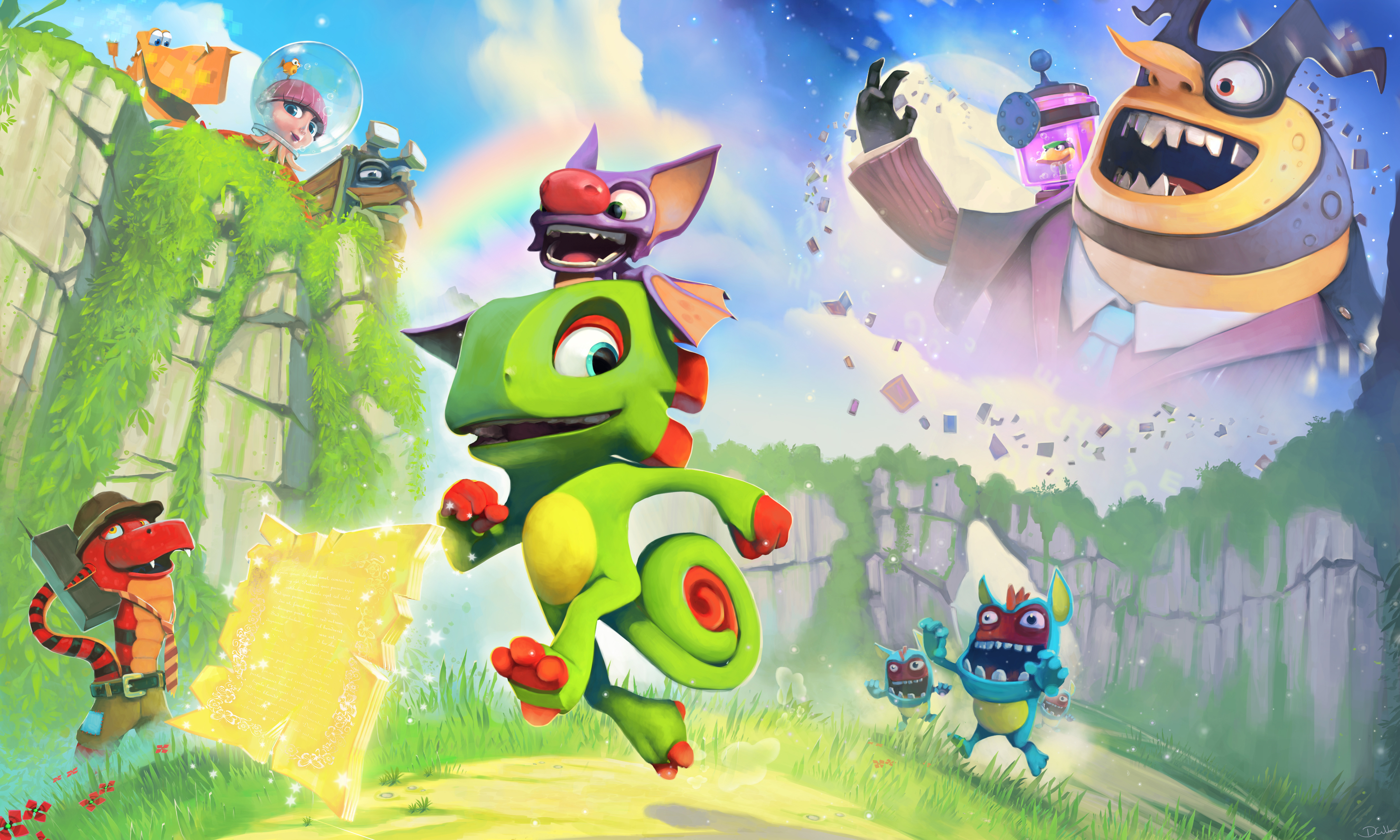
After his time at Rare, Chris Sutherland contributed to the Yooka-Laylee franchise at Playtonic Games.
The Yooka-Laylee series, often recognized as a spiritual successor to Banjo-Kazooie, has recently received a remastered release for modern platforms, making it accessible to a new generation of gamers.
The direct line from Banjo-Tooie’s development and Rare’s culture of experimentation can be felt in these recent titles, underlining Rare’s continuing influence through the alumni who shape the contemporary gaming landscape.
Banjo-Tooie’s enduring popularity, the success of its innovative gameplay systems, and the insights now emerging from former developers underscore the importance of creative influences in game development.
By examining the legacy of titles like GoldenEye 007 and Banjo-Tooie, the gaming industry—and fans—gain a deeper understanding of how classic games are born out of collaboration, inspiration, and a willingness to experiment with genre conventions.
While known for its expansive worlds and charming duo, Banjo and Kazooie, the sequel stood out for its inclusion of numerous first-person shooter elements—an unusual twist for the genre at the time.
In a recent feature published in Retro Gamer (with coverage by Games Radar), new insights have emerged into how a fellow Rare classic, GoldenEye 007, left a lasting legacy on Banjo-Tooie’s distinctive design.
The article shares a conversation with Chris Sutherland, a former Rare developer who played a pivotal role in Banjo-Tooie’s creation.
Sutherland revealed that several team members developed a routine of playing GoldenEye 007 together during lunch breaks over the course of a few years.
This experience, he noted, was a major influence on Banjo-Tooie’s design choices, particularly the integration of first-person gameplay segments—a notable departure from traditional platforming mechanics.
"A group of about four or five of us on the Banjo team regularly played GoldenEye 007 at lunch, sometimes for a couple of years.
That had a strong influence on Banjo-Tooie’s development," Sutherland told Retro Gamer.
"From there, director Gregg Mayles had the idea of splitting Banjo and Kazooie as separate characters before allowing them to team up again.
This change naturally limited each character's moveset, creating opportunities for new challenges and gameplay missions that revolved around their unique abilities when apart."
GoldenEye 007, released in 1997 for the Nintendo 64, is widely considered to be one of the most influential first-person shooters of all time, helping to shape not only Rare’s future releases but the gaming industry at large.
Banjo-Tooie’s creative use of first-person segments and its willingness to innovate within the platforming genre are testaments to the cross-pollination of ideas within Rare during this golden era of Nintendo 64 development.
After his time at Rare, Chris Sutherland contributed to the Yooka-Laylee franchise at Playtonic Games.
The Yooka-Laylee series, often recognized as a spiritual successor to Banjo-Kazooie, has recently received a remastered release for modern platforms, making it accessible to a new generation of gamers.
The direct line from Banjo-Tooie’s development and Rare’s culture of experimentation can be felt in these recent titles, underlining Rare’s continuing influence through the alumni who shape the contemporary gaming landscape.
Banjo-Tooie’s enduring popularity, the success of its innovative gameplay systems, and the insights now emerging from former developers underscore the importance of creative influences in game development.
By examining the legacy of titles like GoldenEye 007 and Banjo-Tooie, the gaming industry—and fans—gain a deeper understanding of how classic games are born out of collaboration, inspiration, and a willingness to experiment with genre conventions.