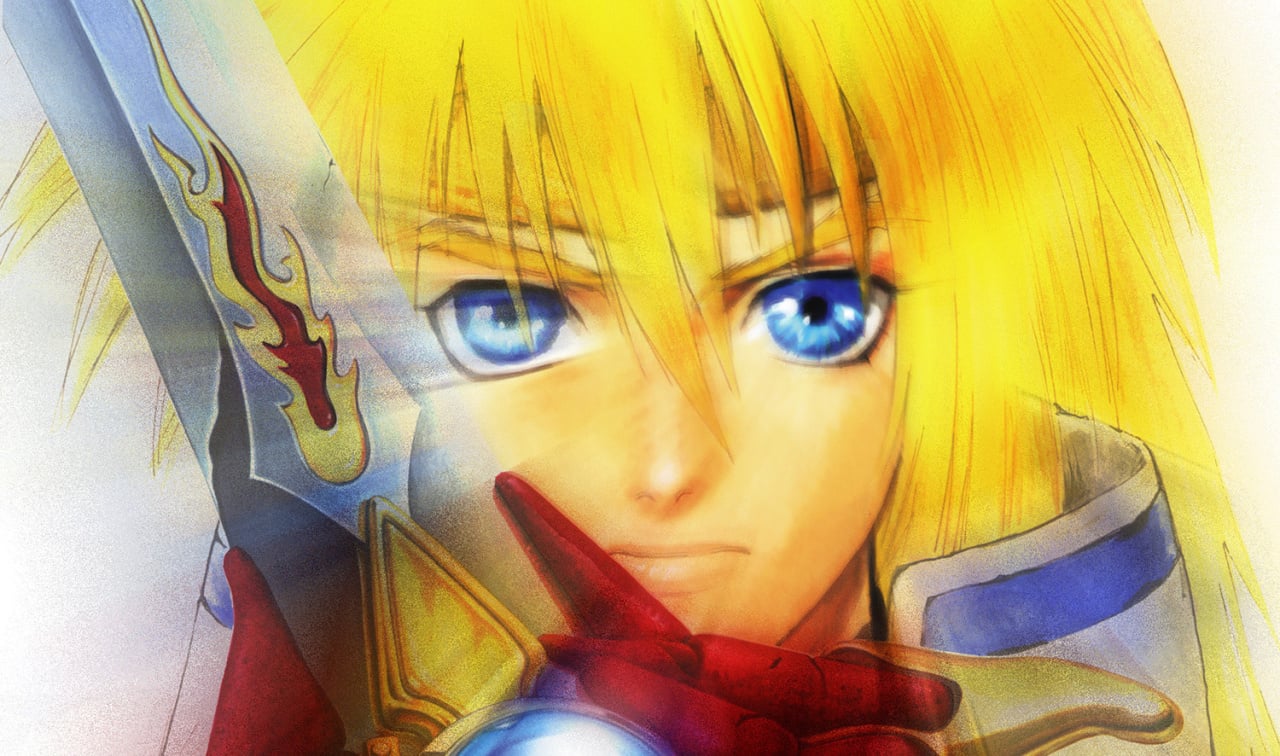
A significant update has arrived for fans of classic Japanese RPGs, as a newly released improvement patch breathes fresh life into the NTSC-U (North American) version of Namco’s acclaimed PlayStation title, Tales of Destiny.
Developed by Wolf Team and originally launched in Japan in December 1997 before its North American debut the following year, Tales of Destiny stands as the second mainline title in Namco’s enduring "Tales" series—a franchise revered among RPG enthusiasts for its engaging narratives and innovative combat systems.
The fan-driven patch, released on March 24, is the collaborative work of community members mziab and FlamePurge, with coordination and promotion from Life Bottle Productions.
Their efforts aim to address long-standing localization issues, eliminate technical bugs, and restore a wealth of content that was previously cut or altered in the original U.S. release.
This landmark project also draws inspiration from earlier initiatives by the fan translation team Phantasian Productions, notably from developer Cless.
According to the team behind the patch, their primary objective is to refine the existing translation rather than attempt a full retranslation.
The adjustments utilize the foundation set by the original localization, credited to Michiyo Pattillo, with modifications designed to align the game more closely with the modern conventions established within the "Tales" series.
As the developers stated, the patch was carefully crafted to correct various "translation inaccuracies and technical faults," undo censorship changes, and reintegrate content omitted from the initial release.
The update introduces an array of notable enhancements, including:
- Corrections to numerous translation and context errors for improved narrative clarity.
- Implementation of a new 8x8 font, allowing for expanded item, skill, spell, and enemy names.
- Redesigned menu layouts for clearer navigation and efficient use of space.
- Resolution of gameplay bugs, such as the issue where enemy weaknesses displayed incorrectly when using Spectacles or the Inspect skill.
- Adoption of modern naming conventions for items, skills, spells, and enemies, bringing terminology in line with recent "Tales" titles.
- Restoration of original graphics, sprites, and overworld elements previously altered or censored.
- Various quality-of-life updates, including corrected character name data and improved avatar display.
- Return of the original Japanese opening FMV, further enhancing the game’s presentation.
The Tales of Destiny improvement patch is available for download via GitHub, accompanied by comprehensive instructions for application.
Life Bottle Productions notes that while most cut content has been restored, certain features such as the Japanese version's overworld skits remain absent, though plans to address these omissions are ongoing.
This release marks a meaningful step forward in preservation and accessibility for Tales of Destiny, ensuring that Western audiences have the opportunity to experience this foundational "Tales" adventure in a form that closely aligns with its original vision.
For fans of Namco, PlayStation RPGs, and the broader "Tales" franchise, this patch offers a compelling reason to revisit a classic title now revitalized for contemporary platforms and expectations.
Developed by Wolf Team and originally launched in Japan in December 1997 before its North American debut the following year, Tales of Destiny stands as the second mainline title in Namco’s enduring "Tales" series—a franchise revered among RPG enthusiasts for its engaging narratives and innovative combat systems.
The fan-driven patch, released on March 24, is the collaborative work of community members mziab and FlamePurge, with coordination and promotion from Life Bottle Productions.
Their efforts aim to address long-standing localization issues, eliminate technical bugs, and restore a wealth of content that was previously cut or altered in the original U.S. release.
This landmark project also draws inspiration from earlier initiatives by the fan translation team Phantasian Productions, notably from developer Cless.
According to the team behind the patch, their primary objective is to refine the existing translation rather than attempt a full retranslation.
The adjustments utilize the foundation set by the original localization, credited to Michiyo Pattillo, with modifications designed to align the game more closely with the modern conventions established within the "Tales" series.
As the developers stated, the patch was carefully crafted to correct various "translation inaccuracies and technical faults," undo censorship changes, and reintegrate content omitted from the initial release.
The update introduces an array of notable enhancements, including:
- Corrections to numerous translation and context errors for improved narrative clarity.
- Implementation of a new 8x8 font, allowing for expanded item, skill, spell, and enemy names.
- Redesigned menu layouts for clearer navigation and efficient use of space.
- Resolution of gameplay bugs, such as the issue where enemy weaknesses displayed incorrectly when using Spectacles or the Inspect skill.
- Adoption of modern naming conventions for items, skills, spells, and enemies, bringing terminology in line with recent "Tales" titles.
- Restoration of original graphics, sprites, and overworld elements previously altered or censored.
- Various quality-of-life updates, including corrected character name data and improved avatar display.
- Return of the original Japanese opening FMV, further enhancing the game’s presentation.
The Tales of Destiny improvement patch is available for download via GitHub, accompanied by comprehensive instructions for application.
Life Bottle Productions notes that while most cut content has been restored, certain features such as the Japanese version's overworld skits remain absent, though plans to address these omissions are ongoing.
This release marks a meaningful step forward in preservation and accessibility for Tales of Destiny, ensuring that Western audiences have the opportunity to experience this foundational "Tales" adventure in a form that closely aligns with its original vision.
For fans of Namco, PlayStation RPGs, and the broader "Tales" franchise, this patch offers a compelling reason to revisit a classic title now revitalized for contemporary platforms and expectations.