Dragon Quest VII Reimagined on Nintendo Switch 2: A Thoroughly Modern Classic for RPG Fans
Dragon Quest VII Reimagined has made its debut on Nintendo Switch 2, bringing with it an earnest effort to address long-standing feedback from devoted fans of the Dragon Quest franchise.
Developed once again by series stalwart Square Enix, this reimagining serves as both a homage and an overhaul of the original title, ensuring accessibility for new players while honoring the essence that drew in RPG enthusiasts over two decades ago.
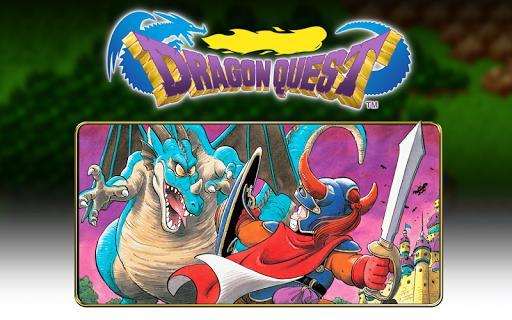
Originally released on PlayStation in 2000 and later refreshed for Nintendo 3DS, Dragon Quest VII is known for its episodic storytelling, intricate vocation system, and vast world-building.
The new "Reimagined" edition arrives packed with modern enhancements and streamlining, all while preserving the nostalgic spirit of the original.
As RPGs age, balancing legacy appeal and new player expectations becomes a crucial part of the remake process, and Square Enix has approached this challenge with visible intent.
Performance-wise, the Nintendo Switch 2 version stands out.
Load times are swift, the framerate is smooth, and graphical updates take full advantage of the hardware.
As noted in review impressions, whether played docked or portable, the experience holds up well.
Dragon Quest VII Reimagined runs comparably on other contemporary platforms like the Steam Deck, but Switch 2 users enjoy noticeable upgrades in clarity and responsiveness.
Players still using the original Switch hardware will find the experience perfectly serviceable, albeit without the technical boosts found on the newer system.
For first-time adventurers stepping onto Pilchard Bay, this remake is the most inviting version yet.
The game's visual style is vibrant, the soundtrack has been beautifully remastered, and high-quality voice acting complements the memorable dialogues.
Quality-of-life updates are numerous: new map markers and quest indicators guide players smoothly through the narrative, minimizing confusion that previously led to frustrating hours of aimless exploration.
Dragon Quest VII’s segmented structure—where groups of youthful heroes travel through time to restore ruined islands—remains intact, relying on well-crafted vignettes rather than a single, sprawling plot.
The benefit of this approach is seen in the emotionally charged stories found in each region, which have been thoughtfully rewritten and localized for modern audiences.
A reviewer praised this aspect, stating that the game’s most compelling moments often arise from these intimate regional tales, even as the overarching story takes a gentler role.
One of the flagship features, the vocation system, has been significantly renovated.
Characters begin with starter vocations, and after progressing further, gain the ability to “moonlight” with a second class, permitting deeper party customization.
Progression is straightforward—earn points in battle, unlock skills, and find Monster Hearts for special benefits—offering robust, yet approachable, party management.
The addition of a streamlined auto-battle system echoes mechanics from contemporaries like Earthbound, including instant victories over underleveled enemies, which further accelerates gameplay for veterans and newcomers alike.
However, longtime fans will notice significant alterations: entire regions and sidequest chains from previous iterations have been removed, and the difficulty has been toned down.
In pursuit of broader appeal, Square Enix has opted to trim some of the friction that characterized the original and even the 3DS remake.
As one reviewer put it, "Dragon Quest VII Reimagined is relentless in smoothing out the series’ rough patches," ensuring that even those who bounced off earlier versions can now find enjoyment.
The risk, of course, is diminishing the distinct pacing and atmosphere that made the original a cult classic.
Some of the game’s trademark explorative charm has been replaced with a more streamlined progression.
Yet, for many, these updates further complement the gameplay, particularly for those who may not have engaged with Dragon Quest VII in the past.
Small story expansions offer fresh perspectives on familiar characters and scenarios, adding incentive for returning fans to rediscover the adventure.
Ultimately, the best version is a matter of personal preference.
While some might pine for the slower, methodical approach of earlier versions, there is no denying that Dragon Quest VII Reimagined on Nintendo Switch 2 is the franchise's most accessible and inviting release yet.
For RPG aficionados and franchise newcomers alike, Dragon Quest VII Reimagined on Nintendo Switch 2 is a thoroughly modern classic—a polished, user-friendly update that invites a new generation of adventurers to experience one of Square Enix's most storied tales.
Dragon Quest VII Reimagined has made its debut on Nintendo Switch 2, bringing with it an earnest effort to address long-standing feedback from devoted fans of the Dragon Quest franchise.
Developed once again by series stalwart Square Enix, this reimagining serves as both a homage and an overhaul of the original title, ensuring accessibility for new players while honoring the essence that drew in RPG enthusiasts over two decades ago.
Originally released on PlayStation in 2000 and later refreshed for Nintendo 3DS, Dragon Quest VII is known for its episodic storytelling, intricate vocation system, and vast world-building.
The new "Reimagined" edition arrives packed with modern enhancements and streamlining, all while preserving the nostalgic spirit of the original.
As RPGs age, balancing legacy appeal and new player expectations becomes a crucial part of the remake process, and Square Enix has approached this challenge with visible intent.
Performance-wise, the Nintendo Switch 2 version stands out.
Load times are swift, the framerate is smooth, and graphical updates take full advantage of the hardware.
As noted in review impressions, whether played docked or portable, the experience holds up well.
Dragon Quest VII Reimagined runs comparably on other contemporary platforms like the Steam Deck, but Switch 2 users enjoy noticeable upgrades in clarity and responsiveness.
Players still using the original Switch hardware will find the experience perfectly serviceable, albeit without the technical boosts found on the newer system.
For first-time adventurers stepping onto Pilchard Bay, this remake is the most inviting version yet.
The game's visual style is vibrant, the soundtrack has been beautifully remastered, and high-quality voice acting complements the memorable dialogues.
Quality-of-life updates are numerous: new map markers and quest indicators guide players smoothly through the narrative, minimizing confusion that previously led to frustrating hours of aimless exploration.
Dragon Quest VII’s segmented structure—where groups of youthful heroes travel through time to restore ruined islands—remains intact, relying on well-crafted vignettes rather than a single, sprawling plot.
The benefit of this approach is seen in the emotionally charged stories found in each region, which have been thoughtfully rewritten and localized for modern audiences.
A reviewer praised this aspect, stating that the game’s most compelling moments often arise from these intimate regional tales, even as the overarching story takes a gentler role.
One of the flagship features, the vocation system, has been significantly renovated.
Characters begin with starter vocations, and after progressing further, gain the ability to “moonlight” with a second class, permitting deeper party customization.
Progression is straightforward—earn points in battle, unlock skills, and find Monster Hearts for special benefits—offering robust, yet approachable, party management.
The addition of a streamlined auto-battle system echoes mechanics from contemporaries like Earthbound, including instant victories over underleveled enemies, which further accelerates gameplay for veterans and newcomers alike.
However, longtime fans will notice significant alterations: entire regions and sidequest chains from previous iterations have been removed, and the difficulty has been toned down.
In pursuit of broader appeal, Square Enix has opted to trim some of the friction that characterized the original and even the 3DS remake.
As one reviewer put it, "Dragon Quest VII Reimagined is relentless in smoothing out the series’ rough patches," ensuring that even those who bounced off earlier versions can now find enjoyment.
The risk, of course, is diminishing the distinct pacing and atmosphere that made the original a cult classic.
Some of the game’s trademark explorative charm has been replaced with a more streamlined progression.
Yet, for many, these updates further complement the gameplay, particularly for those who may not have engaged with Dragon Quest VII in the past.
Small story expansions offer fresh perspectives on familiar characters and scenarios, adding incentive for returning fans to rediscover the adventure.
Ultimately, the best version is a matter of personal preference.
While some might pine for the slower, methodical approach of earlier versions, there is no denying that Dragon Quest VII Reimagined on Nintendo Switch 2 is the franchise's most accessible and inviting release yet.
For RPG aficionados and franchise newcomers alike, Dragon Quest VII Reimagined on Nintendo Switch 2 is a thoroughly modern classic—a polished, user-friendly update that invites a new generation of adventurers to experience one of Square Enix's most storied tales.