The Sonic the Hedgehog franchise has experienced a notable resurgence over the last decade, driven by developer Sonic Team, longtime series head Takashi Iizuka, and a mix of nostalgia-driven games and high-profile film adaptations.
After launching in 1991 on the Sega Genesis/Mega Drive, Sonic evolved from a platforming mascot into a multi-platform franchise.
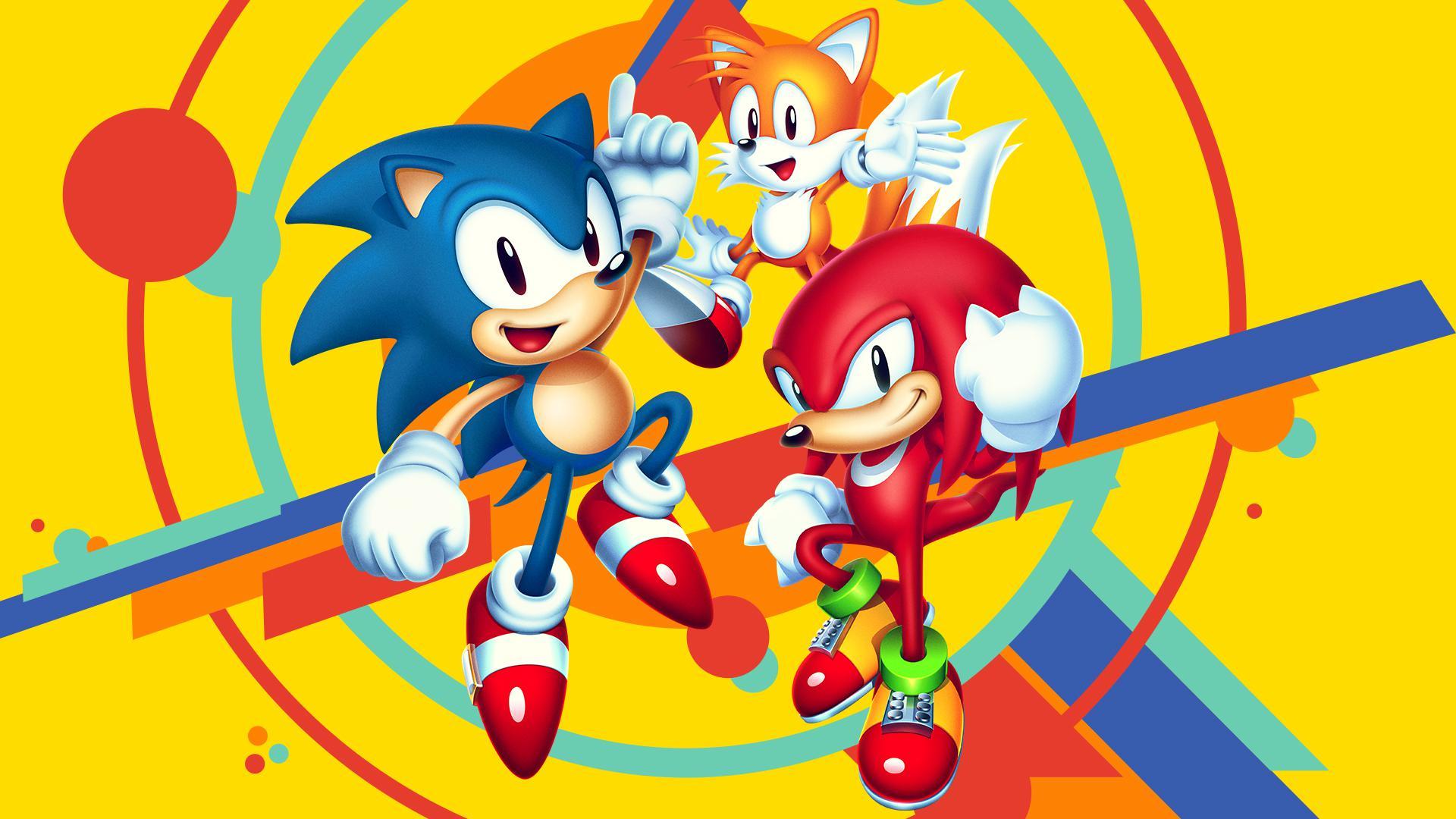
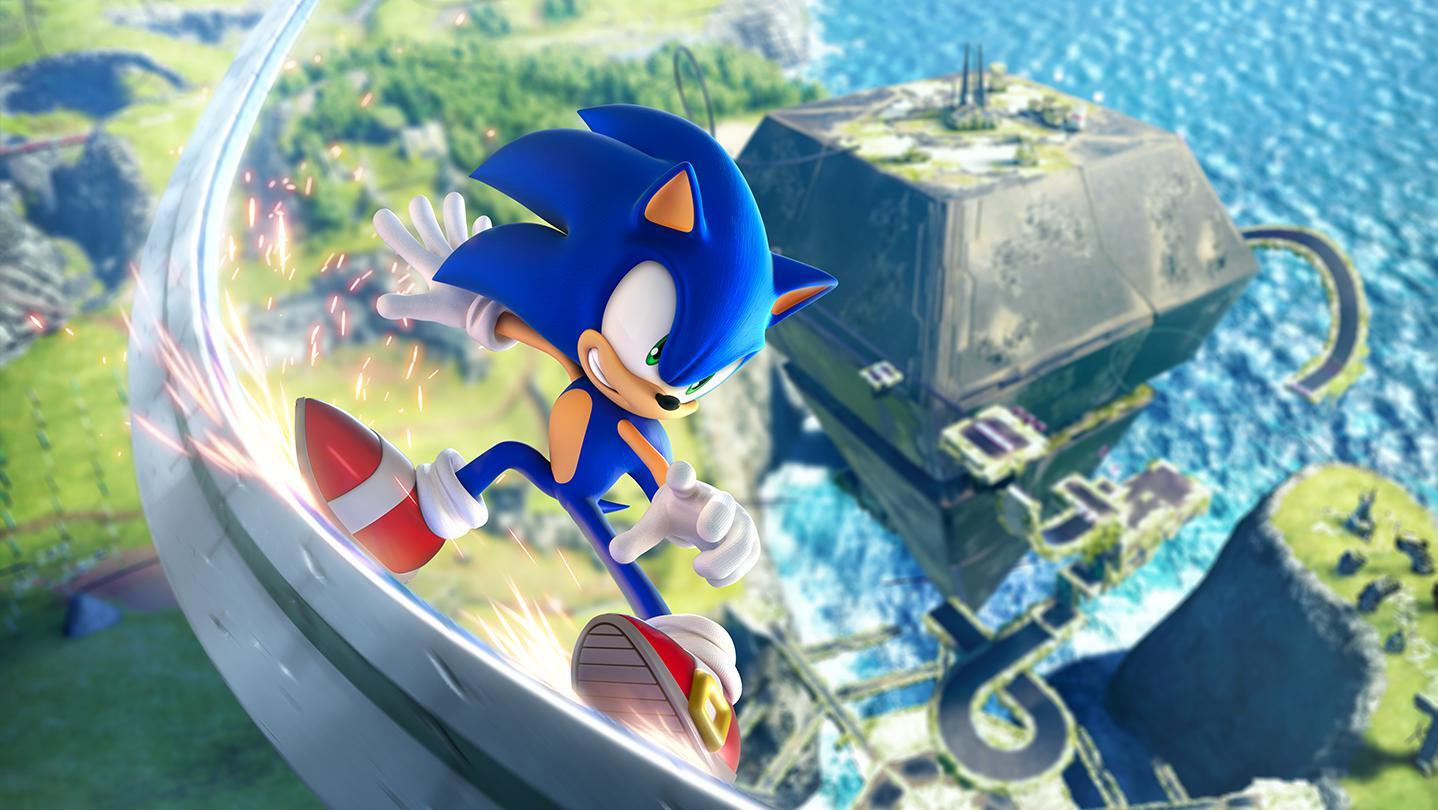
Recent milestones include Sonic Mania (2017), a critically praised return to 2D roots, and Sonic Frontiers (2022), a genre-shifting release available on Nintendo Switch, PlayStation, Xbox, and PC.
In a recent video interview, Sonic Team boss Takashi Iizuka said that SEGA once considered shelving the franchise, believing it might be beyond revival.
He explained that he was asked to relocate to North America with a specific mandate to lead the franchise's recovery.
In journalistic terms: Iizuka reported that SEGA at one point seriously debated retiring Sonic and that he moved to North America to oversee efforts to bring the character back into commercial and critical relevance.
Verified milestones underline that recovery.
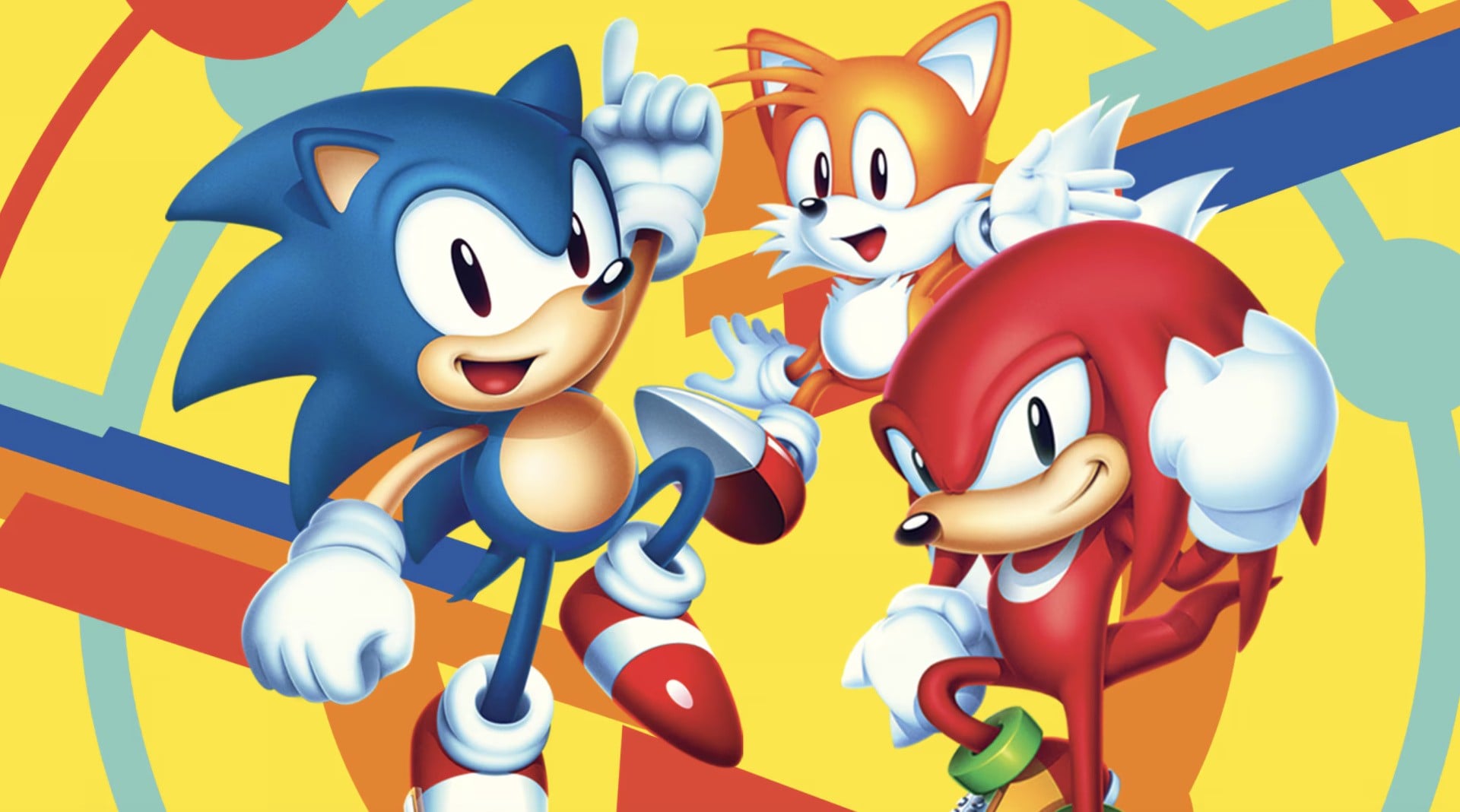
Sonic Mania, developed by Christian Whitehead, Headcannon, and PagodaWest Games in collaboration with Sonic Team, launched on August 15, 2017 for Nintendo Switch, PlayStation 4, Xbox One, and PC and was released digitally via the Nintendo eShop on launch day.
Sonic Frontiers, published by SEGA and developed by Sonic Team, released on November 8, 2022 for Nintendo Switch, PlayStation 4, PlayStation 5, Xbox One, Xbox Series X/S, and PC, marking the series' largest-scale single-player release in years.
Outside traditional games, the franchise expanded into global box-office success with live-action/CGI hybrid films that broadened Sonic's mainstream visibility.
The first theatrical film released in 2020 and its sequel followed in 2022, contributing to renewed public interest in the character and the franchise.
For Nintendo platforms specifically, Sonic titles continue to appear on the Nintendo Switch eShop and physical retail, and the franchise has featured in Nintendo-focused showcases and announcements, including Nintendo Directs where third-party releases are often highlighted.
Sonic Team's revival strategy — combining nostalgic, developer-driven projects like Sonic Mania with larger, experimental entries like Sonic Frontiers and cross-media exposure — provides a clear, verifiable timeline of how the IP rebuilt momentum under Iizuka's leadership.
As a legacy franchise, Sonic's path from early 1990s mascot to a multi-platform property demonstrates how developer stewardship, platform support from systems like Nintendo Switch, and non-game media can jointly reshape a series' commercial and cultural standing.
After launching in 1991 on the Sega Genesis/Mega Drive, Sonic evolved from a platforming mascot into a multi-platform franchise.
Recent milestones include Sonic Mania (2017), a critically praised return to 2D roots, and Sonic Frontiers (2022), a genre-shifting release available on Nintendo Switch, PlayStation, Xbox, and PC.
In a recent video interview, Sonic Team boss Takashi Iizuka said that SEGA once considered shelving the franchise, believing it might be beyond revival.
He explained that he was asked to relocate to North America with a specific mandate to lead the franchise's recovery.
In journalistic terms: Iizuka reported that SEGA at one point seriously debated retiring Sonic and that he moved to North America to oversee efforts to bring the character back into commercial and critical relevance.
Verified milestones underline that recovery.
Sonic Mania, developed by Christian Whitehead, Headcannon, and PagodaWest Games in collaboration with Sonic Team, launched on August 15, 2017 for Nintendo Switch, PlayStation 4, Xbox One, and PC and was released digitally via the Nintendo eShop on launch day.
Sonic Frontiers, published by SEGA and developed by Sonic Team, released on November 8, 2022 for Nintendo Switch, PlayStation 4, PlayStation 5, Xbox One, Xbox Series X/S, and PC, marking the series' largest-scale single-player release in years.
Outside traditional games, the franchise expanded into global box-office success with live-action/CGI hybrid films that broadened Sonic's mainstream visibility.
The first theatrical film released in 2020 and its sequel followed in 2022, contributing to renewed public interest in the character and the franchise.
For Nintendo platforms specifically, Sonic titles continue to appear on the Nintendo Switch eShop and physical retail, and the franchise has featured in Nintendo-focused showcases and announcements, including Nintendo Directs where third-party releases are often highlighted.
Sonic Team's revival strategy — combining nostalgic, developer-driven projects like Sonic Mania with larger, experimental entries like Sonic Frontiers and cross-media exposure — provides a clear, verifiable timeline of how the IP rebuilt momentum under Iizuka's leadership.
As a legacy franchise, Sonic's path from early 1990s mascot to a multi-platform property demonstrates how developer stewardship, platform support from systems like Nintendo Switch, and non-game media can jointly reshape a series' commercial and cultural standing.