



Sonic Team boss Takashi Iizuka has acknowledged mounting pressure to deliver higher review scores for Sonic the Hedgehog games as the franchise continues to regain momentum.
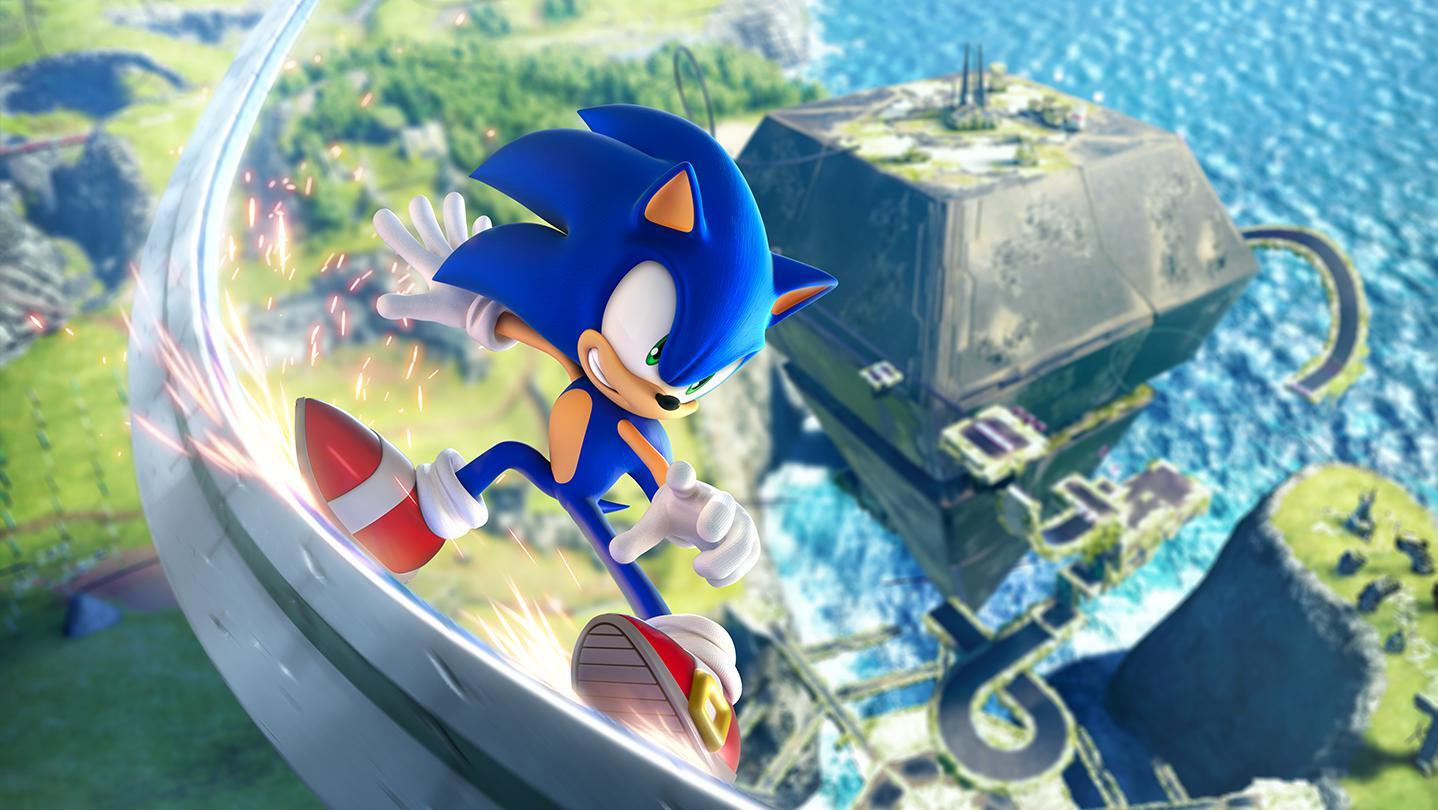
The Sonic brand has seen a notable rebound in recent years: critically lauded entries like Sonic Mania and broader commercial lifts tied to the live-action Sonic the Hedgehog films have helped restore confidence in the series among players and retailers alike.
In a recent interview with Automaton Media, Iizuka framed the changing expectations around Sonic development as a direct result of increased resources and organizational growth.
He said that when the brand struggled in the past, smaller budgets and leaner teams limited what developers could achieve.
Now, larger teams and a stronger support structure allow staff to be reassigned between projects when needed, helping teams meet deadlines while maintaining quality.
Paraphrasing Iizuka’s remarks: he emphasized that the Sonic franchise now benefits from greater investment and internal support, which has contributed to more consistent release quality.
He explained that expanded staffing means if one project risks falling behind, personnel from other teams can step in to stabilize schedules and preserve the title’s standards.
That operational flexibility, he argued, is a major factor in why review scores have become less variable.
Iizuka also addressed external expectations tied to the franchise’s revival.
He noted that commercial performance targets are higher now and that there is a corresponding imperative to protect review standing, specifically citing Metacritic as a public barometer of perceived quality.
In his words, the team “can’t afford to let our Metacritic scores drop,” and with rising expectations comes additional pressure to produce games that can achieve strong critical reception.
For Nintendo platforms, Sonic has been a regular presence: Sonic Mania launched on Nintendo Switch alongside other consoles and helped re-establish critical goodwill, while newer and upcoming Sonic-branded projects continue to appear on Switch hardware and eShop storefronts.
As Sonic Team navigates these heightened standards, the studio’s greater resources and cross-project support model are positioned as the primary levers for sustaining both quality and schedule discipline.
The Sonic brand has seen a notable rebound in recent years: critically lauded entries like Sonic Mania and broader commercial lifts tied to the live-action Sonic the Hedgehog films have helped restore confidence in the series among players and retailers alike.
In a recent interview with Automaton Media, Iizuka framed the changing expectations around Sonic development as a direct result of increased resources and organizational growth.
He said that when the brand struggled in the past, smaller budgets and leaner teams limited what developers could achieve.
Now, larger teams and a stronger support structure allow staff to be reassigned between projects when needed, helping teams meet deadlines while maintaining quality.
Paraphrasing Iizuka’s remarks: he emphasized that the Sonic franchise now benefits from greater investment and internal support, which has contributed to more consistent release quality.
He explained that expanded staffing means if one project risks falling behind, personnel from other teams can step in to stabilize schedules and preserve the title’s standards.
That operational flexibility, he argued, is a major factor in why review scores have become less variable.
Iizuka also addressed external expectations tied to the franchise’s revival.
He noted that commercial performance targets are higher now and that there is a corresponding imperative to protect review standing, specifically citing Metacritic as a public barometer of perceived quality.
In his words, the team “can’t afford to let our Metacritic scores drop,” and with rising expectations comes additional pressure to produce games that can achieve strong critical reception.
For Nintendo platforms, Sonic has been a regular presence: Sonic Mania launched on Nintendo Switch alongside other consoles and helped re-establish critical goodwill, while newer and upcoming Sonic-branded projects continue to appear on Switch hardware and eShop storefronts.
As Sonic Team navigates these heightened standards, the studio’s greater resources and cross-project support model are positioned as the primary levers for sustaining both quality and schedule discipline.


