

At Tokyo Game Show 2026, Sonic series producer Takashi Iizuka told One More Game that Sega seriously considered ending the Sonic franchise during its low points — a decision he said was reversed after the success of the first live-action Sonic film in 2020.
The comments, delivered as the franchise marked its 35th anniversary, highlight how non-game media and renewed mainstream interest have reshaped Sonic's trajectory.
Background and milestone context
Sonic the Hedgehog debuted on the Sega Genesis (Mega Drive) on June 23, 1991, and has since spanned dozens of console and handheld releases, television adaptations, and films.
The theatrical Sonic the Hedgehog film opened in February 2020 and proved a commercial turning point for the brand; the movie grossed in the low hundreds of millions worldwide and led to a theatrical sequel in 2022.
Since the live-action films, Sonic has expanded further into television with Netflix's Sonic Prime, which launched in December 2022, alongside longstanding anime efforts such as Sonic X (2003–2006).
Iizuka’s account and studio stance
Speaking at TGS 2026, Iizuka said that during the franchise's worst commercial and critical stretches, Sega's leadership discussed cancelling Sonic outright, and that he actively lobbied internally to preserve the series.
He characterized the 2020 film as the pivotal moment that altered Sega's view of Sonic’s viability, turning corporate skepticism into renewed investment across games and multimedia.
On the relationship between games and other media, Iizuka emphasized that the franchise remains rooted in video games.
He told the outlet that Sonic Team intends to keep the series’ gaming core intact while exploring broader storytelling opportunities.
According to Iizuka, Sonic Team recognizes a generational split among fans: long-time supporters favor classic 2D platformers, while newer audiences respond to cinematic presentation and deeper narratives.
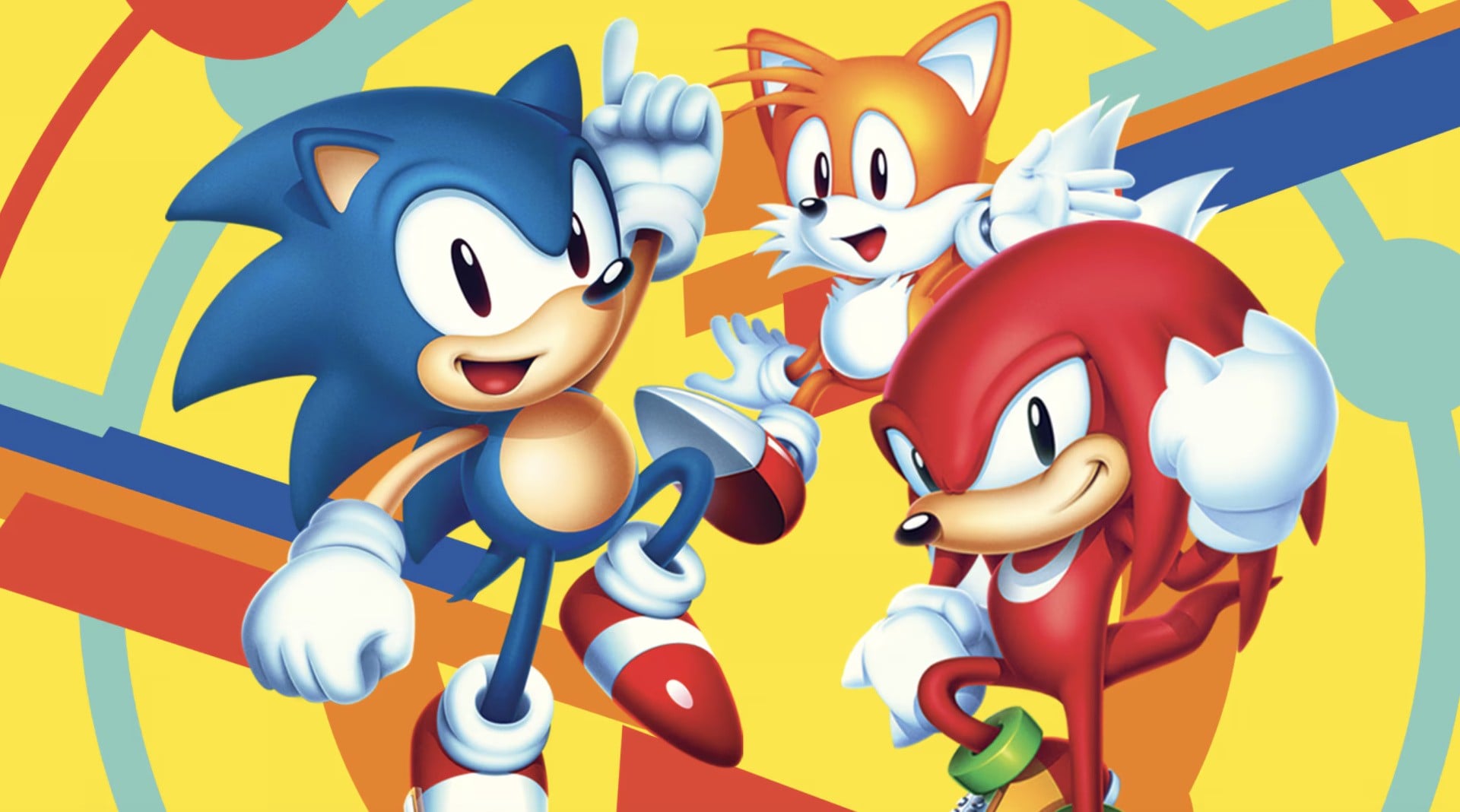
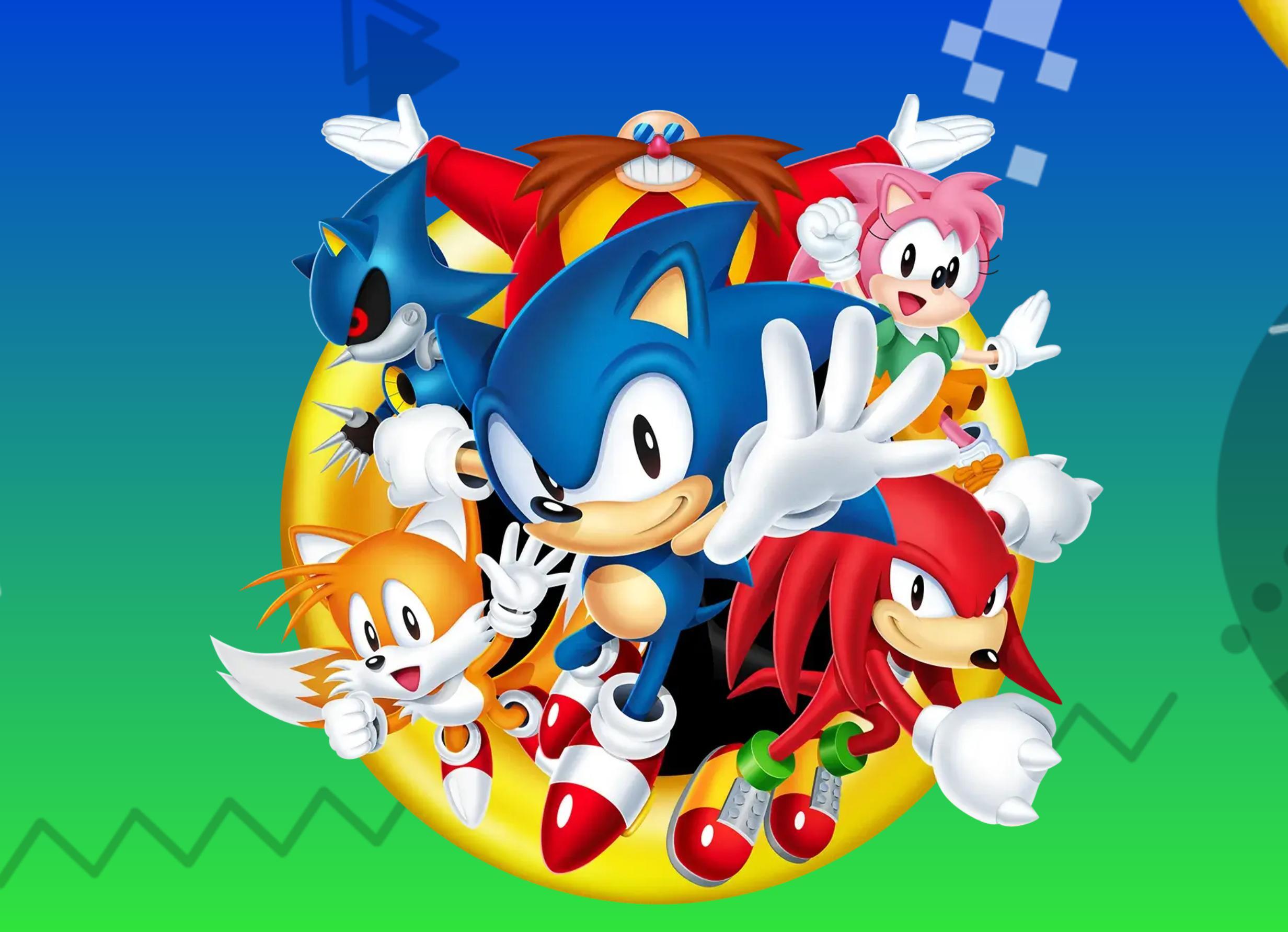
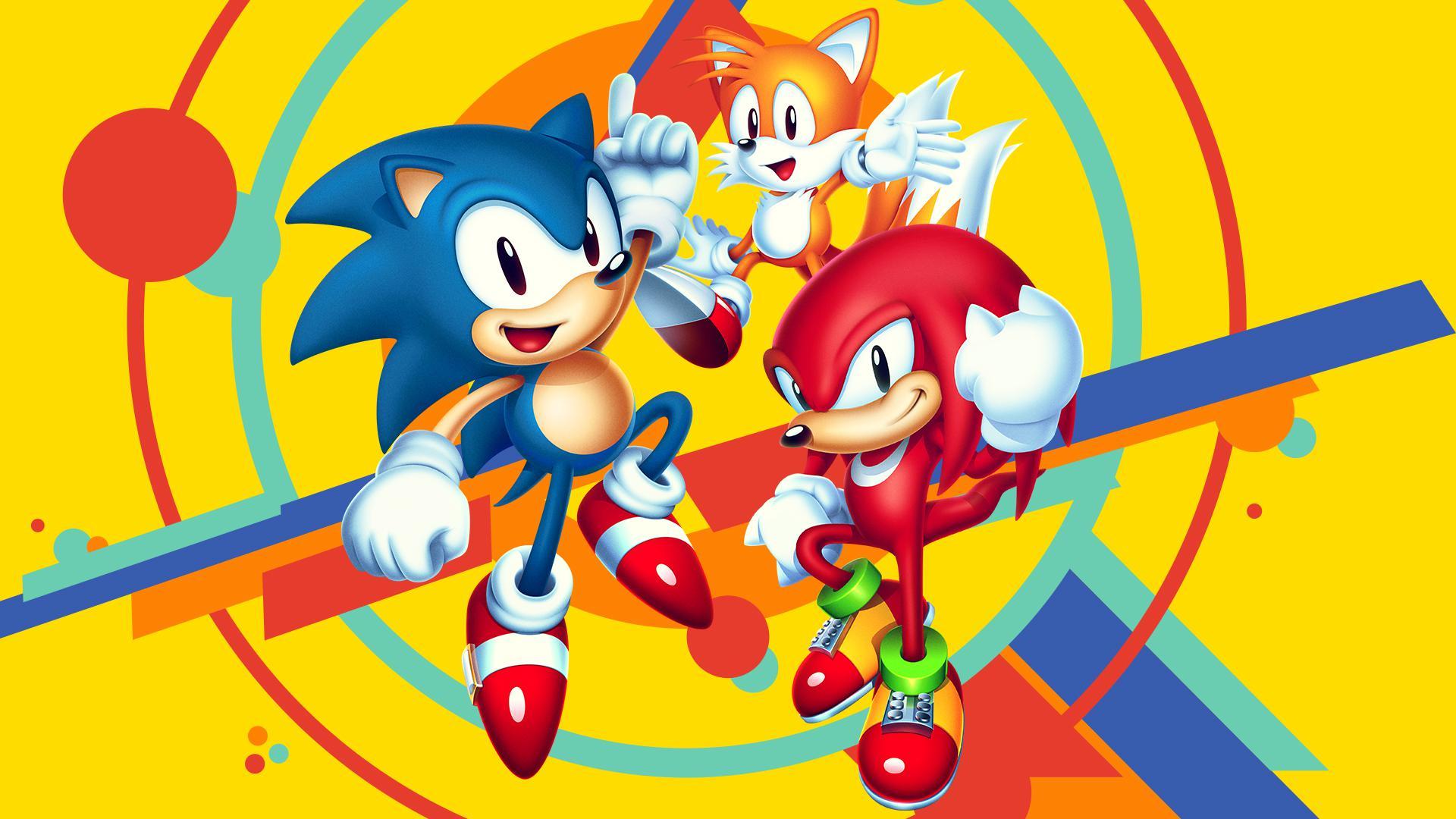
He said the studio plans to continue producing 2D-focused projects that honor the fanbase, citing recent releases such as Sonic Mania (2017) and the Sonic Origins collection (released June 23, 2022) — both of which are available on modern platforms including Nintendo Switch and digital storefronts like the eShop.
What this means for players and platforms
The statements from Iizuka underscore a multi-pronged strategy: preserve the retro-style experiences that defined Sonic's early years while investing in story-driven titles and cross-media exposure.
For Nintendo Switch owners and consumers who follow Nintendo Direct updates, past and current Sonic releases remain accessible on the platform, and Sonic Team has repeatedly affirmed that video games continue to be the franchise’s foundation.
Verified, public remarks from TGS 2026 show Sega and Sonic Team are actively balancing legacy content with new initiatives, a pragmatic approach as the series moves beyond its 35th anniversary and into the next era of game development and multimedia tie-ins.
The comments, delivered as the franchise marked its 35th anniversary, highlight how non-game media and renewed mainstream interest have reshaped Sonic's trajectory.
Background and milestone context
Sonic the Hedgehog debuted on the Sega Genesis (Mega Drive) on June 23, 1991, and has since spanned dozens of console and handheld releases, television adaptations, and films.
The theatrical Sonic the Hedgehog film opened in February 2020 and proved a commercial turning point for the brand; the movie grossed in the low hundreds of millions worldwide and led to a theatrical sequel in 2022.
Since the live-action films, Sonic has expanded further into television with Netflix's Sonic Prime, which launched in December 2022, alongside longstanding anime efforts such as Sonic X (2003–2006).
Iizuka’s account and studio stance
Speaking at TGS 2026, Iizuka said that during the franchise's worst commercial and critical stretches, Sega's leadership discussed cancelling Sonic outright, and that he actively lobbied internally to preserve the series.
He characterized the 2020 film as the pivotal moment that altered Sega's view of Sonic’s viability, turning corporate skepticism into renewed investment across games and multimedia.
On the relationship between games and other media, Iizuka emphasized that the franchise remains rooted in video games.
He told the outlet that Sonic Team intends to keep the series’ gaming core intact while exploring broader storytelling opportunities.
According to Iizuka, Sonic Team recognizes a generational split among fans: long-time supporters favor classic 2D platformers, while newer audiences respond to cinematic presentation and deeper narratives.
He said the studio plans to continue producing 2D-focused projects that honor the fanbase, citing recent releases such as Sonic Mania (2017) and the Sonic Origins collection (released June 23, 2022) — both of which are available on modern platforms including Nintendo Switch and digital storefronts like the eShop.
What this means for players and platforms
The statements from Iizuka underscore a multi-pronged strategy: preserve the retro-style experiences that defined Sonic's early years while investing in story-driven titles and cross-media exposure.
For Nintendo Switch owners and consumers who follow Nintendo Direct updates, past and current Sonic releases remain accessible on the platform, and Sonic Team has repeatedly affirmed that video games continue to be the franchise’s foundation.
Verified, public remarks from TGS 2026 show Sega and Sonic Team are actively balancing legacy content with new initiatives, a pragmatic approach as the series moves beyond its 35th anniversary and into the next era of game development and multimedia tie-ins.