
Intro
Tech demos have long been a tool developers use to spotlight raw rendering power separate from the demands of a finished game.
Nintendo has used tech showcases alongside product launches and presentations — including Nintendo Direct streams (launched in 2011) — to demonstrate hardware potential for platforms such as the Wii U (launched November 2012) and the Nintendo Switch (released March 3, 2017).
These demos focus on visuals driven by a system’s GPU while the final game must balance AI, physics, streaming and other CPU-driven systems.
What tech demos actually show
A tech demo is typically engineered to highlight specific capabilities: lighting, shader effects, high-resolution textures and frame-consistent rendering.
By design, many tech demos reduce or remove unpredictable runtime elements — such as complex AI or dynamic asset streaming — so the GPU can be shown at its visual best.
That does not mean the hardware is being misrepresented; rather, the demo isolates rendering tasks to make a technical point for developers, press and consumers.
Rewritten forum commentary (journalistic paraphrase)
On May 28, 2013, a forum commenter writing as "Kehool" argued that tech demos frequently omit features like dynamic AI and unscripted physics.
The commenter explained that animations in those demos are often scripted, which makes physics simulation and runtime decision-making unnecessary for the presentation.
He added that perceived visual fidelity in a demo is largely a product of the GPU handling the rendering, while the more complex, unpredictable systems in a full game are managed by the CPU and by careful asset-loading strategies.
Kehool also addressed asset streaming and memory: he suggested that modern single-player levels are typically preloaded so that unforeseen assets do not cause hitching, reserving unpredictable runtime loading mostly for large multiplayer environments.
He contrasted a closed, scripted demo with open, more dynamic scenes where additional CPU work is required, and noted that some demos crop or adjust imagery for secondary displays — a detail that can differ across specific demonstrations.
Context and verified facts
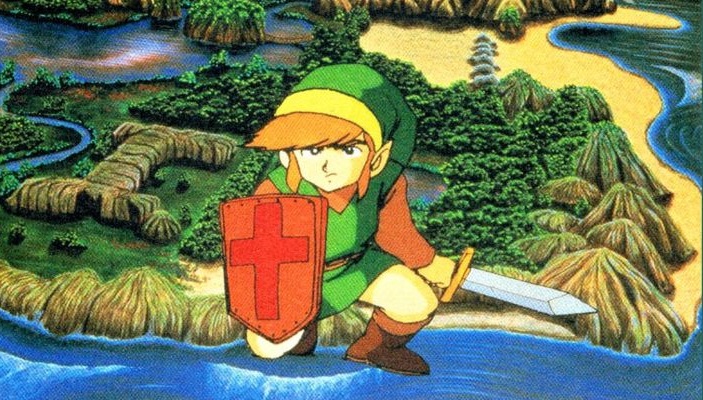
- The Legend of Zelda franchise began in 1986 and has been developed by Nintendo teams that later became part of Nintendo EPD after a 2015 corporate reorganization.
- The Nintendo Switch launched on March 3, 2017, as a hybrid console emphasizing mobility and unique input.
- Nintendo Direct launched in 2011 as Nintendo’s recurring digital showcase for games, announcements and developer updates.
Conclusion
Tech demos are valuable signposts: they show what a GPU can achieve in isolation, but they are not a 1:1 preview of finished game performance.
For developers and hardware observers, the key is understanding which systems a demo highlights (rendering) and which systems a full game must integrate (AI, physics, streaming).
Recognizing that distinction leads to clearer coverage and better expectations when Nintendo or any developer reveals new visual tech on platforms like Wii U or Nintendo Switch.
Tech demos have long been a tool developers use to spotlight raw rendering power separate from the demands of a finished game.
Nintendo has used tech showcases alongside product launches and presentations — including Nintendo Direct streams (launched in 2011) — to demonstrate hardware potential for platforms such as the Wii U (launched November 2012) and the Nintendo Switch (released March 3, 2017).
These demos focus on visuals driven by a system’s GPU while the final game must balance AI, physics, streaming and other CPU-driven systems.
What tech demos actually show
A tech demo is typically engineered to highlight specific capabilities: lighting, shader effects, high-resolution textures and frame-consistent rendering.
By design, many tech demos reduce or remove unpredictable runtime elements — such as complex AI or dynamic asset streaming — so the GPU can be shown at its visual best.
That does not mean the hardware is being misrepresented; rather, the demo isolates rendering tasks to make a technical point for developers, press and consumers.
Rewritten forum commentary (journalistic paraphrase)
On May 28, 2013, a forum commenter writing as "Kehool" argued that tech demos frequently omit features like dynamic AI and unscripted physics.
The commenter explained that animations in those demos are often scripted, which makes physics simulation and runtime decision-making unnecessary for the presentation.
He added that perceived visual fidelity in a demo is largely a product of the GPU handling the rendering, while the more complex, unpredictable systems in a full game are managed by the CPU and by careful asset-loading strategies.
Kehool also addressed asset streaming and memory: he suggested that modern single-player levels are typically preloaded so that unforeseen assets do not cause hitching, reserving unpredictable runtime loading mostly for large multiplayer environments.
He contrasted a closed, scripted demo with open, more dynamic scenes where additional CPU work is required, and noted that some demos crop or adjust imagery for secondary displays — a detail that can differ across specific demonstrations.
Context and verified facts
- The Legend of Zelda franchise began in 1986 and has been developed by Nintendo teams that later became part of Nintendo EPD after a 2015 corporate reorganization.
- The Nintendo Switch launched on March 3, 2017, as a hybrid console emphasizing mobility and unique input.
- Nintendo Direct launched in 2011 as Nintendo’s recurring digital showcase for games, announcements and developer updates.
Conclusion
Tech demos are valuable signposts: they show what a GPU can achieve in isolation, but they are not a 1:1 preview of finished game performance.
For developers and hardware observers, the key is understanding which systems a demo highlights (rendering) and which systems a full game must integrate (AI, physics, streaming).
Recognizing that distinction leads to clearer coverage and better expectations when Nintendo or any developer reveals new visual tech on platforms like Wii U or Nintendo Switch.