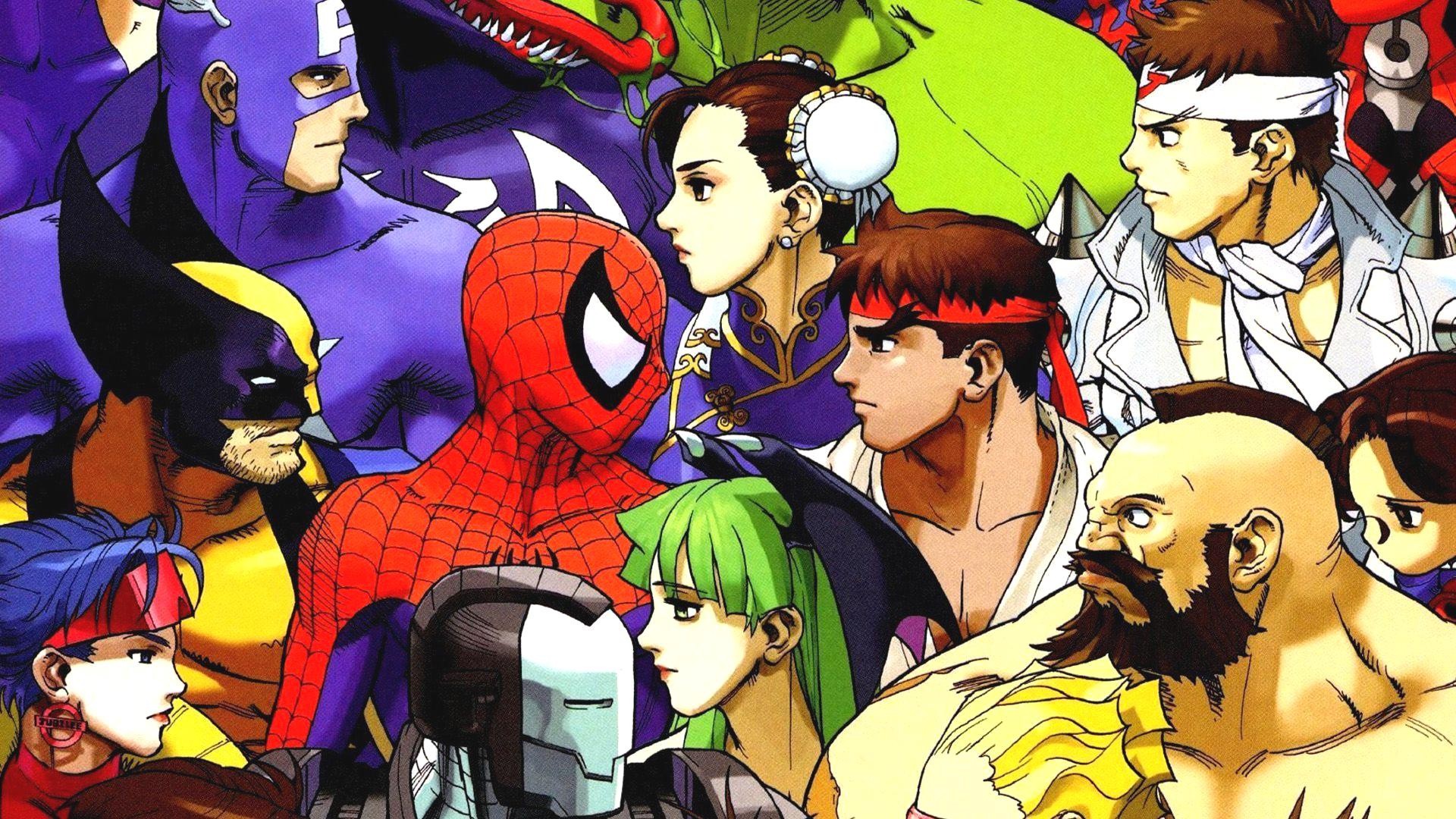

Marvel vs. Capcom: Clash of Super Heroes remains one of the most celebrated entries in the history of fighting games, equally praised for its dynamic gameplay and its legendary roster of Marvel and Capcom icons.
Developed by Capcom and first launched in arcades in 1998 before seeing home console releases such as on the Sega Dreamcast and later on digital platforms like the PlayStation Network, the title has become a cornerstone of the crossover fighting genre.
Recent discoveries have brought to light new, verifiable details regarding the meticulous process behind the game’s foundational character selection, giving modern audiences an unprecedented look behind the scenes.
A rare and previously hidden Capcom website from the late 1990s, recently uncovered by fighting game historian and YouTuber TheSeventhForce and translated in-depth by EventHubs, has been preserved through the Internet Archive.
Originally accessible only via a secure link included with the Marvel vs. Capcom soundtrack and protected by a password, the site contains downloadable music, development team commentary, and, most notably, a series of detailed essays penned by producer Kenji Kataoka.
These essays offer first-hand explanations for the inclusion—and exclusion—of specific Marvel characters in the original game’s roster.
According to records translated by EventHubs' Nicholas "MajinTenshinhan" Taylor, Capcom’s contract with Marvel required certain household names to appear.
“During early development, the agreement specified that Captain America, Spider-Man, Wolverine, and Hulk were non-negotiable inclusions, serving as the core representatives of Marvel in the game,” Kataoka described.
The agreement also allowed for the inclusion of several other prominent figures, including Gambit, Psylocke, Thor, Dr. Doom, Juggernaut, Magneto, and Thanos, as well as a broader group featuring Beast, Deathlok, Iron Fist, Quasar, Sub-Mariner, Sasquatch, Machine Man, Elektra, Speedball, Spider Woman, and Medusa.
Villains like Fin Fang Foom, Super-Skrull, The Wizard, Ultron, Diablo, Scorpion, and Dr. Octopus were similarly greenlit for use.
Ultimately, the finalized Marvel roster featured Captain America, Gambit, Hulk, Spider-Man, Venom, War Machine, and Wolverine.
Kataoka’s writings reveal that despite intentions to include characters like Iron Man, Thor, Psylocke, Jubilee, Mr. Fantastic, Ghost Rider, and Howard the Duck as core fighters, licensing and corporate restrictions led some to be relegated to “assist” roles or omitted entirely.
Thor, Psylocke, and Jubilee were included as assists, while others were set aside for future entries.
The selection of the final boss character also went through significant internal debate.
Kataoka detailed how the team initially proposed Galactus—the iconic adversary from Fantastic Four—as the game’s climactic foe.
However, concerns that American audiences would be unsettled by his appearance or disappointed if he was defeated too easily led to the selection of Onslaught, a choice that resonated with fans at the time.
Galactus would eventually take center stage in later entries, including Marvel vs. Capcom 3 and Ultimate Marvel vs. Capcom 3’s special 'Galactus Mode.'
These candid insights from Kenji Kataoka, safeguarded and translated for the modern era, paint a clear picture of the collaborative effort between Capcom and Marvel, as well as the complexities of character licensing and game development at the turn of the millennium.
For fighting game enthusiasts and historians alike, this rediscovered Capcom website provides a rare and invaluable look at a key chapter in both companies’ legacies—from arcade roots to continued influence on platforms like the Nintendo Switch and beyond.
Developed by Capcom and first launched in arcades in 1998 before seeing home console releases such as on the Sega Dreamcast and later on digital platforms like the PlayStation Network, the title has become a cornerstone of the crossover fighting genre.
Recent discoveries have brought to light new, verifiable details regarding the meticulous process behind the game’s foundational character selection, giving modern audiences an unprecedented look behind the scenes.
A rare and previously hidden Capcom website from the late 1990s, recently uncovered by fighting game historian and YouTuber TheSeventhForce and translated in-depth by EventHubs, has been preserved through the Internet Archive.
Originally accessible only via a secure link included with the Marvel vs. Capcom soundtrack and protected by a password, the site contains downloadable music, development team commentary, and, most notably, a series of detailed essays penned by producer Kenji Kataoka.
These essays offer first-hand explanations for the inclusion—and exclusion—of specific Marvel characters in the original game’s roster.
According to records translated by EventHubs' Nicholas "MajinTenshinhan" Taylor, Capcom’s contract with Marvel required certain household names to appear.
“During early development, the agreement specified that Captain America, Spider-Man, Wolverine, and Hulk were non-negotiable inclusions, serving as the core representatives of Marvel in the game,” Kataoka described.
The agreement also allowed for the inclusion of several other prominent figures, including Gambit, Psylocke, Thor, Dr. Doom, Juggernaut, Magneto, and Thanos, as well as a broader group featuring Beast, Deathlok, Iron Fist, Quasar, Sub-Mariner, Sasquatch, Machine Man, Elektra, Speedball, Spider Woman, and Medusa.
Villains like Fin Fang Foom, Super-Skrull, The Wizard, Ultron, Diablo, Scorpion, and Dr. Octopus were similarly greenlit for use.
Ultimately, the finalized Marvel roster featured Captain America, Gambit, Hulk, Spider-Man, Venom, War Machine, and Wolverine.
Kataoka’s writings reveal that despite intentions to include characters like Iron Man, Thor, Psylocke, Jubilee, Mr. Fantastic, Ghost Rider, and Howard the Duck as core fighters, licensing and corporate restrictions led some to be relegated to “assist” roles or omitted entirely.
Thor, Psylocke, and Jubilee were included as assists, while others were set aside for future entries.
The selection of the final boss character also went through significant internal debate.
Kataoka detailed how the team initially proposed Galactus—the iconic adversary from Fantastic Four—as the game’s climactic foe.
However, concerns that American audiences would be unsettled by his appearance or disappointed if he was defeated too easily led to the selection of Onslaught, a choice that resonated with fans at the time.
Galactus would eventually take center stage in later entries, including Marvel vs. Capcom 3 and Ultimate Marvel vs. Capcom 3’s special 'Galactus Mode.'
These candid insights from Kenji Kataoka, safeguarded and translated for the modern era, paint a clear picture of the collaborative effort between Capcom and Marvel, as well as the complexities of character licensing and game development at the turn of the millennium.
For fighting game enthusiasts and historians alike, this rediscovered Capcom website provides a rare and invaluable look at a key chapter in both companies’ legacies—from arcade roots to continued influence on platforms like the Nintendo Switch and beyond.