
Introduction
The Mario Kart franchise is one of Nintendo’s longest-running and most commercially successful series, debuting with Super Mario Kart on the SNES in 1992.
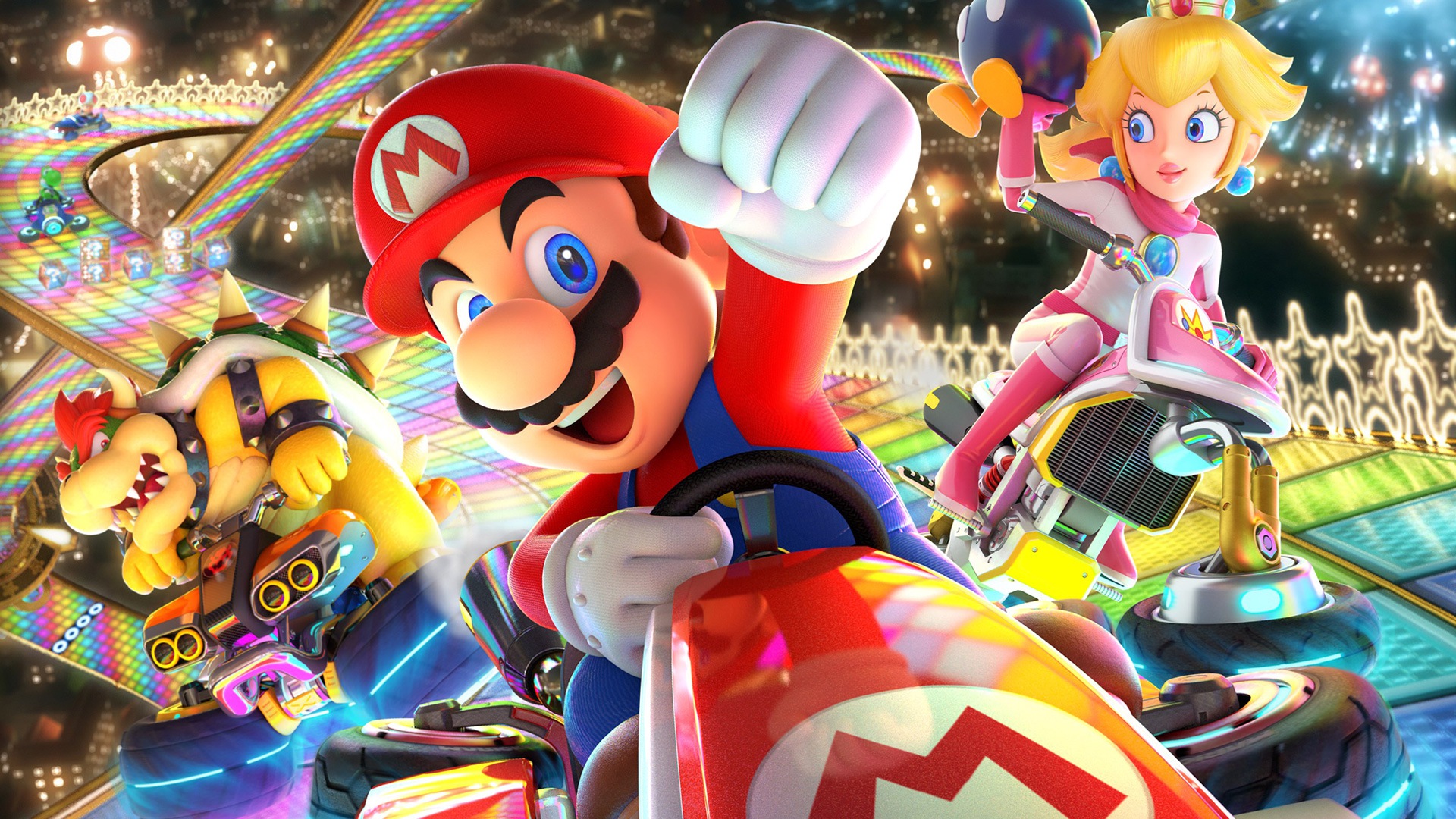
Subsequent entries — notably Mario Kart 64 (1996), Mario Kart: Double Dash!! (2003), Mario Kart Wii (2008), Mario Kart 8 (2014 on Wii U) and Mario Kart 8 Deluxe (2017 on Nintendo Switch) — have defined kart racing for multiple console generations.
Alongside these Nintendo-developed titles, players and critics have repeatedly compared Mario Kart entries to genre contemporaries such as Rare’s Diddy Kong Racing (1997 on Nintendo 64) and Naughty Dog’s Crash Team Racing (1999 on PlayStation).
Community comparisons and a rewritten quote
Many long-time players argue that certain vintage kart racers offered more distinct designs and gameplay variety than recent Mario Kart installments.
In community discussions, one common refrain is that Mario Kart has become incremental from one generation to the next, and that Diddy Kong Racing on the N64 represented a notably different and memorable alternative; Crash Team Racing is likewise cited as a standout in its own right.
Paraphrasing that sentiment into journalistic language: some players feel that Mario Kart’s core formula has remained largely consistent across generations, while contemporaries like Diddy Kong Racing and Crash Team Racing provided a genuinely different take on the kart-racing template.
Sales, reception and the role of brand loyalty
Factual milestones underscore the distance between commercial performance and perceived quality.
Mario Kart 8 Deluxe, released on Nintendo Switch in 2017, is one of the console’s top-selling titles.
Separately, The Super Mario Bros.
Movie (2023), produced by Illumination, became a major box-office success and outgrossed recent Sonic films, illustrating how brand recognition can drive revenue.
Franchises such as Pokémon and Call of Duty similarly generate strong sales across multiple releases and platforms, even when individual entries receive mixed critical response.
These patterns are often cited in debates about whether sales equate to quality, with many observers noting that brand loyalty and franchise visibility strongly influence purchasing decisions.
Conclusion
For developers and industry watchers, the discussion around Mario Kart, Diddy Kong Racing and Crash Team Racing highlights two concurrent realities: evolutionary design choices within enduring franchises, and the powerful influence of brand and community on commercial outcomes.
Whether on the Nintendo Switch, through Nintendo Direct announcements, or via the eShop catalog, these titles continue to shape expectations for kart racing while prompting ongoing debate among fans and critics alike.
The Mario Kart franchise is one of Nintendo’s longest-running and most commercially successful series, debuting with Super Mario Kart on the SNES in 1992.
Subsequent entries — notably Mario Kart 64 (1996), Mario Kart: Double Dash!! (2003), Mario Kart Wii (2008), Mario Kart 8 (2014 on Wii U) and Mario Kart 8 Deluxe (2017 on Nintendo Switch) — have defined kart racing for multiple console generations.
Alongside these Nintendo-developed titles, players and critics have repeatedly compared Mario Kart entries to genre contemporaries such as Rare’s Diddy Kong Racing (1997 on Nintendo 64) and Naughty Dog’s Crash Team Racing (1999 on PlayStation).
Community comparisons and a rewritten quote
Many long-time players argue that certain vintage kart racers offered more distinct designs and gameplay variety than recent Mario Kart installments.
In community discussions, one common refrain is that Mario Kart has become incremental from one generation to the next, and that Diddy Kong Racing on the N64 represented a notably different and memorable alternative; Crash Team Racing is likewise cited as a standout in its own right.
Paraphrasing that sentiment into journalistic language: some players feel that Mario Kart’s core formula has remained largely consistent across generations, while contemporaries like Diddy Kong Racing and Crash Team Racing provided a genuinely different take on the kart-racing template.
Sales, reception and the role of brand loyalty
Factual milestones underscore the distance between commercial performance and perceived quality.
Mario Kart 8 Deluxe, released on Nintendo Switch in 2017, is one of the console’s top-selling titles.
Separately, The Super Mario Bros.
Movie (2023), produced by Illumination, became a major box-office success and outgrossed recent Sonic films, illustrating how brand recognition can drive revenue.
Franchises such as Pokémon and Call of Duty similarly generate strong sales across multiple releases and platforms, even when individual entries receive mixed critical response.
These patterns are often cited in debates about whether sales equate to quality, with many observers noting that brand loyalty and franchise visibility strongly influence purchasing decisions.
Conclusion
For developers and industry watchers, the discussion around Mario Kart, Diddy Kong Racing and Crash Team Racing highlights two concurrent realities: evolutionary design choices within enduring franchises, and the powerful influence of brand and community on commercial outcomes.
Whether on the Nintendo Switch, through Nintendo Direct announcements, or via the eShop catalog, these titles continue to shape expectations for kart racing while prompting ongoing debate among fans and critics alike.