
A new hardware rumor circulating this week suggests Nintendo could be making a subtle revision to the Switch 2 by replacing the console's current LCD panel supplier.
The claim, originally highlighted by Nintendo Patents Watch and surfaced via a Chinese resale listing, states that Nintendo may move from LCD panels assembled by Innolux to panels assembled directly by Sharp.
Nintendo has periodically refreshed Switch hardware since the platform launched, and the Switch 2 itself entered the market last June.
Reported details and verified context
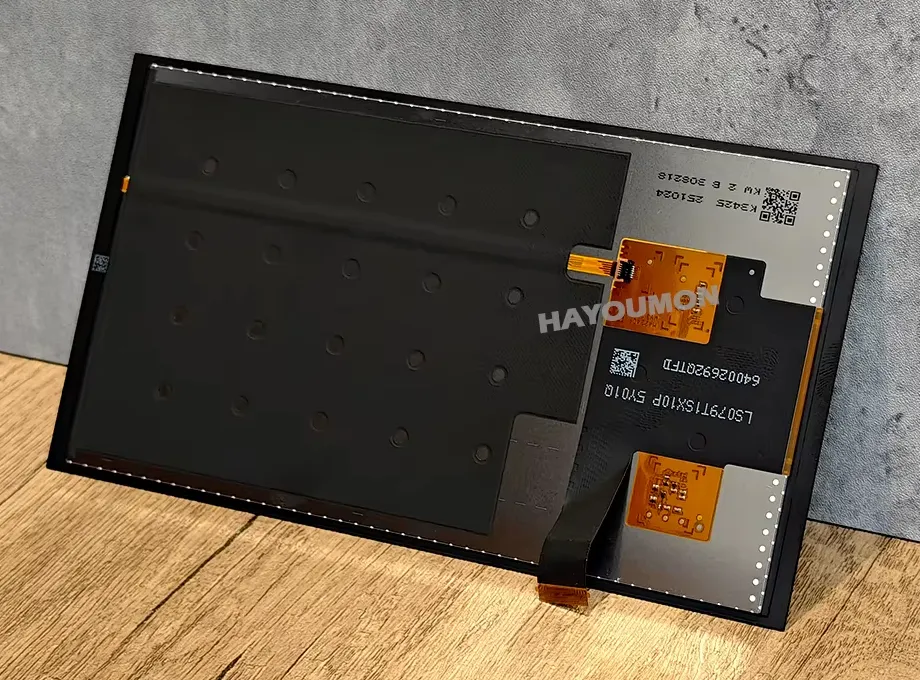
According to the resale listing cited by industry trackers, the alleged new model of the Switch 2 LCD panel matches the existing panel in core specifications and display characteristics.
The listing also reportedly shows differences in exposed circuitry, connectors, and cable layouts compared with the launch model, which could indicate an internal component change rather than an external redesign.
Separately, Sharp's financial disclosures note expanded sales activity at its Hakusan plant for mobile applications, a factual item that observers point to when linking Sharp to potential display supply for handheld devices.
All of the above should be treated as unconfirmed until Nintendo issues an official statement.
Nintendo has previously acknowledged hardware revisions for the Switch 2 in certain regions; for example, the company confirmed a European revision that will allow users to replace the battery more easily than on the launch model.
What reviewers and users have said about the Switch 2 display
At launch, reactions to the Switch 2 LCD were mixed.
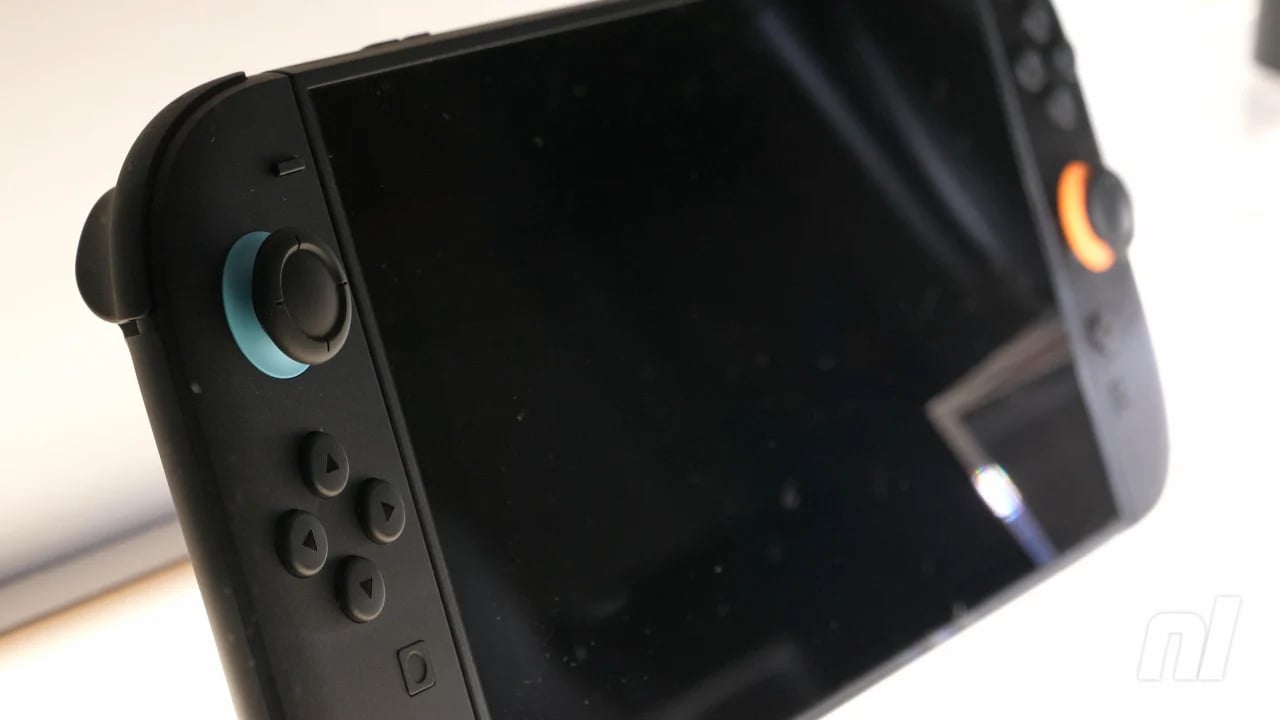
Some reviewers described the display as adequate, noting that its larger size and higher refresh rate kept it from feeling like a significant downgrade compared with the OLED-equipped Nintendo Switch.
However, there were also user reports and coverage citing motion blur and ghosting issues on some units, which drew attention to the panel's performance in fast-moving handheld play.
Why the supplier change matters
A move from Innolux to Sharp would not necessarily signal a major public-facing redesign; it is more likely to be an engineering-level supplier change intended to improve yield, manufacturing logistics, or marginal display performance in handheld mode.
If the change is limited to panel assembly and internal connectors, consumers may see no obvious cosmetic difference.
Next steps
Industry watchers should expect more concrete information through official channels such as Nintendo announcements, regional hardware support updates, or further listings verified by established suppliers.
Until Nintendo confirms any change, these reports remain unverified.
Publishers and retailers typically update eShop listings and hardware support pages only after a formal announcement, so those will be the most reliable sources for confirmation.
The claim, originally highlighted by Nintendo Patents Watch and surfaced via a Chinese resale listing, states that Nintendo may move from LCD panels assembled by Innolux to panels assembled directly by Sharp.
Nintendo has periodically refreshed Switch hardware since the platform launched, and the Switch 2 itself entered the market last June.
Reported details and verified context
According to the resale listing cited by industry trackers, the alleged new model of the Switch 2 LCD panel matches the existing panel in core specifications and display characteristics.
The listing also reportedly shows differences in exposed circuitry, connectors, and cable layouts compared with the launch model, which could indicate an internal component change rather than an external redesign.
Separately, Sharp's financial disclosures note expanded sales activity at its Hakusan plant for mobile applications, a factual item that observers point to when linking Sharp to potential display supply for handheld devices.
All of the above should be treated as unconfirmed until Nintendo issues an official statement.
Nintendo has previously acknowledged hardware revisions for the Switch 2 in certain regions; for example, the company confirmed a European revision that will allow users to replace the battery more easily than on the launch model.
What reviewers and users have said about the Switch 2 display
At launch, reactions to the Switch 2 LCD were mixed.
Some reviewers described the display as adequate, noting that its larger size and higher refresh rate kept it from feeling like a significant downgrade compared with the OLED-equipped Nintendo Switch.
However, there were also user reports and coverage citing motion blur and ghosting issues on some units, which drew attention to the panel's performance in fast-moving handheld play.
Why the supplier change matters
A move from Innolux to Sharp would not necessarily signal a major public-facing redesign; it is more likely to be an engineering-level supplier change intended to improve yield, manufacturing logistics, or marginal display performance in handheld mode.
If the change is limited to panel assembly and internal connectors, consumers may see no obvious cosmetic difference.
Next steps
Industry watchers should expect more concrete information through official channels such as Nintendo announcements, regional hardware support updates, or further listings verified by established suppliers.
Until Nintendo confirms any change, these reports remain unverified.
Publishers and retailers typically update eShop listings and hardware support pages only after a formal announcement, so those will be the most reliable sources for confirmation.