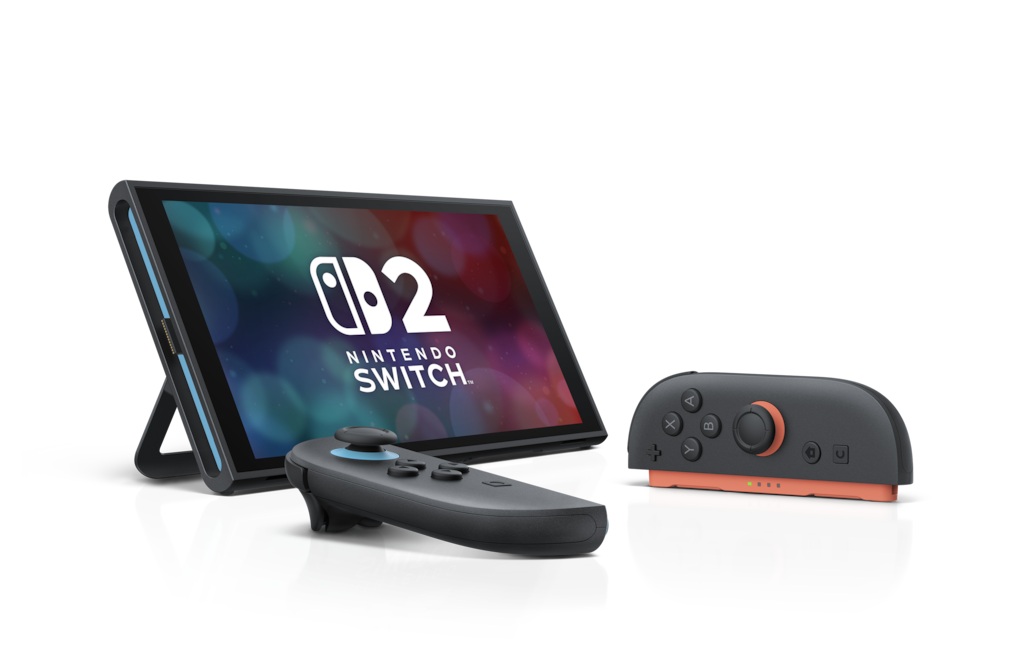
Nintendo has confirmed that the new Switch 2 will use an LCD panel rather than an OLED display, a decision Nintendo hardware lead Tetsuya Sasaki addressed in a recent interview.
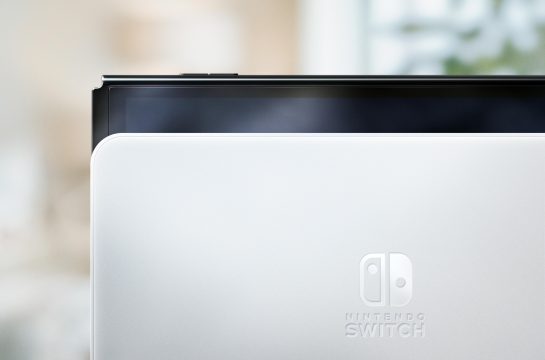
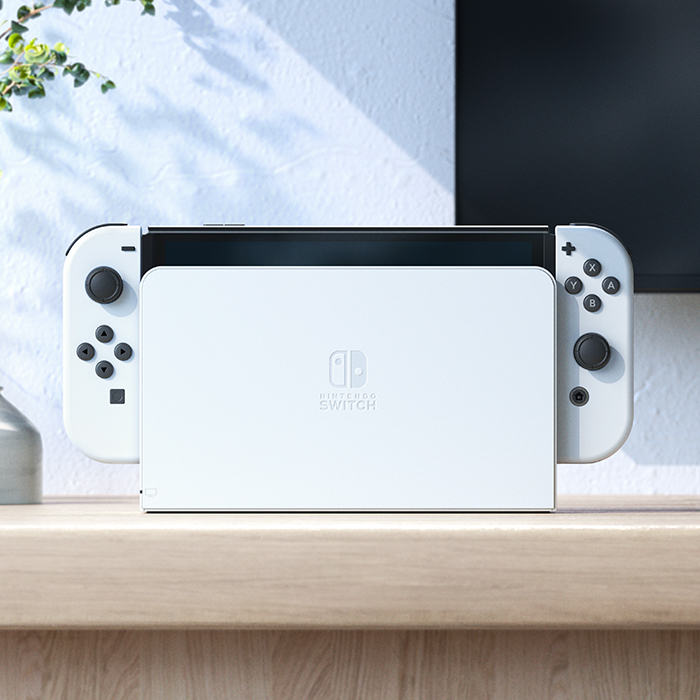
The explanation revisits the platform’s display history — the original Nintendo Switch launched on March 3, 2017, with a 720p LCD screen in handheld mode and 1080p when docked, while Nintendo released the Switch OLED model on October 8, 2021, with an OLED panel but without HDR support.
According to Sasaki, improvements in LCD technology during the Switch 2’s development were a decisive factor.
In the interview he said that the team reviewed available display options and concluded that modern LCD panels offered the right combination of performance and features for the new system.
He also noted that while the Switch OLED model did not support hardware HDR, Switch 2 includes HDR support — a capability the team prioritized for the console’s onboard display.
Rewritten quote (journalistic): Sasaki said Nintendo observed significant advancements in LCD technology during development and, after careful evaluation of current display options, decided to adopt LCD for the new system.
He added that the OLED-based Switch model lacked HDR compatibility, whereas HDR support is included in the Switch 2 design.
Another confirmed detail from the interview concerns resolution: Nintendo is positioning the Switch 2 to support 1080p in handheld mode, a step up from the 720p handheld ceiling of previous Switch hardware.
That change reflects a broader trend among handheld-capable consoles to increase native portable resolution while balancing power consumption and thermals.
This hardware decision ties into Nintendo’s development priorities and the company’s history of tailoring hardware to gameplay needs and cost targets.
The original Switch’s hybrid design and the later OLED refresh demonstrate Nintendo’s iterative approach to system updates: maintaining platform continuity while refining key components.
For developers and publishers, the move to an LCD panel with HDR and higher handheld resolution will affect art pipelines, QA targets, and marketing materials.
Nintendo’s own messaging around the device, including remarks from hardware leads like Sasaki, will be important context for third-party studios preparing for the platform.
We will continue to track official Nintendo communications and developer interviews for further technical details and confirmed specs.
For related coverage on Switch hardware, platform history, and Nintendo announcements, see our archives and past Nintendo Direct reporting.
The explanation revisits the platform’s display history — the original Nintendo Switch launched on March 3, 2017, with a 720p LCD screen in handheld mode and 1080p when docked, while Nintendo released the Switch OLED model on October 8, 2021, with an OLED panel but without HDR support.
According to Sasaki, improvements in LCD technology during the Switch 2’s development were a decisive factor.
In the interview he said that the team reviewed available display options and concluded that modern LCD panels offered the right combination of performance and features for the new system.
He also noted that while the Switch OLED model did not support hardware HDR, Switch 2 includes HDR support — a capability the team prioritized for the console’s onboard display.
Rewritten quote (journalistic): Sasaki said Nintendo observed significant advancements in LCD technology during development and, after careful evaluation of current display options, decided to adopt LCD for the new system.
He added that the OLED-based Switch model lacked HDR compatibility, whereas HDR support is included in the Switch 2 design.
Another confirmed detail from the interview concerns resolution: Nintendo is positioning the Switch 2 to support 1080p in handheld mode, a step up from the 720p handheld ceiling of previous Switch hardware.
That change reflects a broader trend among handheld-capable consoles to increase native portable resolution while balancing power consumption and thermals.
This hardware decision ties into Nintendo’s development priorities and the company’s history of tailoring hardware to gameplay needs and cost targets.
The original Switch’s hybrid design and the later OLED refresh demonstrate Nintendo’s iterative approach to system updates: maintaining platform continuity while refining key components.
For developers and publishers, the move to an LCD panel with HDR and higher handheld resolution will affect art pipelines, QA targets, and marketing materials.
Nintendo’s own messaging around the device, including remarks from hardware leads like Sasaki, will be important context for third-party studios preparing for the platform.
We will continue to track official Nintendo communications and developer interviews for further technical details and confirmed specs.
For related coverage on Switch hardware, platform history, and Nintendo announcements, see our archives and past Nintendo Direct reporting.