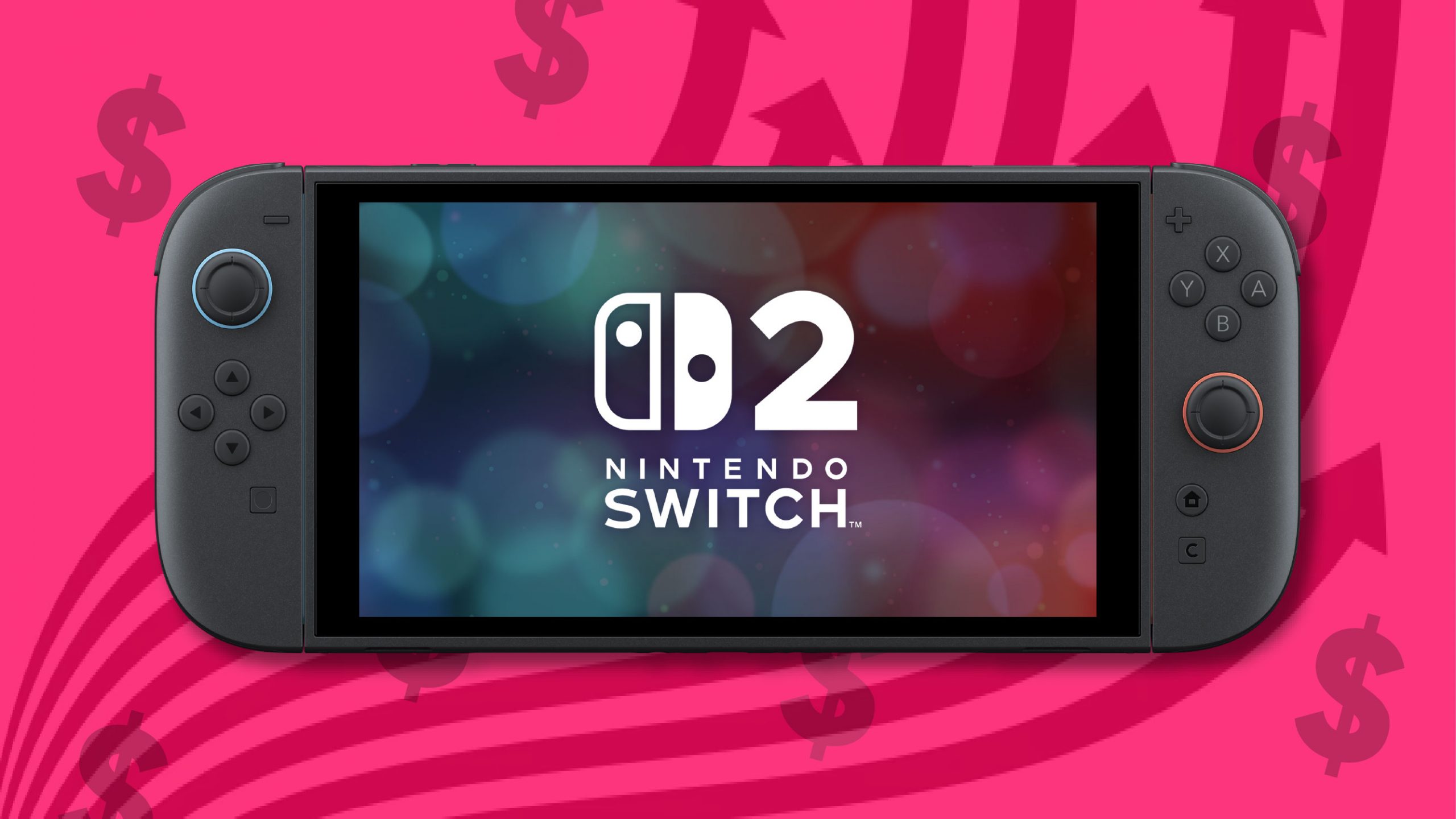
Nintendo Switch 2 Faces Pricing Challenges Amid Global Chip Shortage and Rising Memory Costs
The Nintendo Switch 2, the much-anticipated successor to Nintendo’s popular hybrid console, has encountered significant pricing challenges linked to ongoing global supply chain disruptions.
From the earliest announcements, pricing has remained a central topic for both consumers and industry observers, as Nintendo navigates rising manufacturing costs caused by escalating memory prices and a worldwide chip shortage.
In April 2025, Nintendo originally planned to open Switch 2 pre-orders but promptly postponed this window in response to newly implemented tariffs introduced by the United States administration.
These tariffs, targeting imported electronics and components, created uncertainty over production costs, compelling Nintendo to delay pre-orders and reassess its pricing strategy.
Nevertheless, the company maintained the $450 launch price for the Switch 2, a decision Nintendo said was made "to assure customers that they could purchase the console at the announced price point."
Months after the official launch, Nintendo continues to face increasing cost pressures.
The dramatic growth of artificial intelligence applications has driven up demand for semiconductors, resulting in a persistent chip shortage across the electronics industry.
This shortage has particularly affected key components such as memory, which are fundamental to gaming hardware like the Nintendo Switch 2.
According to a recent Bloomberg report, Nintendo is actively evaluating options to avoid price hikes for the Switch 2.
Company representatives have stated that Nintendo is "exploring various strategies to prevent passing increased costs onto consumers," which includes ramping up production efforts to offset hardware shortages.
Despite these measures, internal discussions are ongoing as Nintendo "considers whether adjustments to the Switch 2's pricing may be unavoidable due to the persistent rise in memory and semiconductor costs."
The ripple effects of the chip shortage extend beyond Nintendo.
Other major industry players, such as Sony, have also been reportedly revisiting their hardware release timelines as a direct result of global supply chain constraints.
As Nintendo continues to monitor the situation and adapt its production and pricing plans accordingly, the company’s actions highlight the broader challenges facing the gaming industry in a period marked by economic volatility and supply chain uncertainty.
For the latest official updates and developments on the Nintendo Switch 2, keep following industry-leading sources and Nintendo's own announcements.
The Nintendo Switch 2, the much-anticipated successor to Nintendo’s popular hybrid console, has encountered significant pricing challenges linked to ongoing global supply chain disruptions.
From the earliest announcements, pricing has remained a central topic for both consumers and industry observers, as Nintendo navigates rising manufacturing costs caused by escalating memory prices and a worldwide chip shortage.
In April 2025, Nintendo originally planned to open Switch 2 pre-orders but promptly postponed this window in response to newly implemented tariffs introduced by the United States administration.
These tariffs, targeting imported electronics and components, created uncertainty over production costs, compelling Nintendo to delay pre-orders and reassess its pricing strategy.
Nevertheless, the company maintained the $450 launch price for the Switch 2, a decision Nintendo said was made "to assure customers that they could purchase the console at the announced price point."
Months after the official launch, Nintendo continues to face increasing cost pressures.
The dramatic growth of artificial intelligence applications has driven up demand for semiconductors, resulting in a persistent chip shortage across the electronics industry.
This shortage has particularly affected key components such as memory, which are fundamental to gaming hardware like the Nintendo Switch 2.
According to a recent Bloomberg report, Nintendo is actively evaluating options to avoid price hikes for the Switch 2.
Company representatives have stated that Nintendo is "exploring various strategies to prevent passing increased costs onto consumers," which includes ramping up production efforts to offset hardware shortages.
Despite these measures, internal discussions are ongoing as Nintendo "considers whether adjustments to the Switch 2's pricing may be unavoidable due to the persistent rise in memory and semiconductor costs."
The ripple effects of the chip shortage extend beyond Nintendo.
Other major industry players, such as Sony, have also been reportedly revisiting their hardware release timelines as a direct result of global supply chain constraints.
As Nintendo continues to monitor the situation and adapt its production and pricing plans accordingly, the company’s actions highlight the broader challenges facing the gaming industry in a period marked by economic volatility and supply chain uncertainty.
For the latest official updates and developments on the Nintendo Switch 2, keep following industry-leading sources and Nintendo's own announcements.
