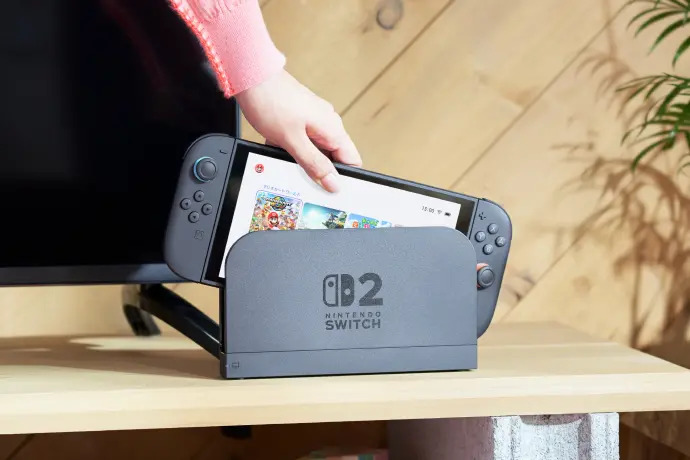

Nintendo Switch 2 Production Faces Challenges Amid Global Chip Shortage
The gaming industry is currently experiencing significant strain due to a global chip shortage, a crisis further intensified by surging demand for semiconductors fueled by the global AI boom.
This disruption is affecting hardware production across the board, with industry leaders like Nintendo navigating an increasingly complex manufacturing landscape.
As the company prepares for its next-generation hardware—the much-anticipated Nintendo Switch 2—questions regarding production capacity, potential price changes, and overall profitability have come to the fore.
Nintendo, renowned for its transparency during financial disclosures, has openly outlined the challenges the semiconductor shortage poses for the Nintendo Switch 2.
In recent statements to stakeholders, Nintendo acknowledged the difficulties in securing enough chips for uninterrupted production.
The company emphasized its commitment to keeping costs manageable and ensuring the Switch 2 remains accessible, stating that it aims "to ramp up production in order to maintain cost efficiency and profitability.” Additionally, Nintendo management clarified that they are monitoring the situation closely and will "carefully consider all factors concerning pricing." This measured response reflects the complicated balancing act facing console manufacturers today.
These company statements were echoed in a recent Bloomberg report, which cited individuals familiar with Nintendo’s operations.
According to the report, Nintendo is actively weighing the possibility of increasing the Switch 2’s retail price.
While official pricing decisions have not been announced, the source highlights that all options, including a price adjustment, are on the table as Nintendo contends with increased component costs in the current climate.
Nintendo is not the only hardware giant affected by industry-wide chip constraints.
According to the same Bloomberg article, Sony is reportedly contemplating a delay for the launch of the PlayStation 6, potentially pushing the next-generation console’s release to 2027 or 2028.
This would mark a significant shift in typical hardware cycles and underscores the seriousness with which console makers are treating these global supply chain disruptions.
Historically, the Nintendo Switch has demonstrated remarkable sales performance, with over 125 million units sold worldwide since its 2017 release.
The system’s enduring success has been attributed to Nintendo’s agile approach to supply chain management and its focus on broad market accessibility.
The company’s response to the current crisis will likely play a crucial role in determining whether the Switch 2 can maintain this legacy.
As market conditions continue to evolve, all official information regarding Nintendo Switch 2 production and pricing will be closely monitored by industry watchers and consumers alike.
Nintendo’s stated strategy remains centered on increasing production efficiency while keeping the product affordable, but the company remains open to adjustments should the situation demand it.
Stakeholders and fans can expect further updates as the launch timeline for the Nintendo Switch 2 approaches.
The gaming industry is currently experiencing significant strain due to a global chip shortage, a crisis further intensified by surging demand for semiconductors fueled by the global AI boom.
This disruption is affecting hardware production across the board, with industry leaders like Nintendo navigating an increasingly complex manufacturing landscape.
As the company prepares for its next-generation hardware—the much-anticipated Nintendo Switch 2—questions regarding production capacity, potential price changes, and overall profitability have come to the fore.
Nintendo, renowned for its transparency during financial disclosures, has openly outlined the challenges the semiconductor shortage poses for the Nintendo Switch 2.
In recent statements to stakeholders, Nintendo acknowledged the difficulties in securing enough chips for uninterrupted production.
The company emphasized its commitment to keeping costs manageable and ensuring the Switch 2 remains accessible, stating that it aims "to ramp up production in order to maintain cost efficiency and profitability.” Additionally, Nintendo management clarified that they are monitoring the situation closely and will "carefully consider all factors concerning pricing." This measured response reflects the complicated balancing act facing console manufacturers today.
These company statements were echoed in a recent Bloomberg report, which cited individuals familiar with Nintendo’s operations.
According to the report, Nintendo is actively weighing the possibility of increasing the Switch 2’s retail price.
While official pricing decisions have not been announced, the source highlights that all options, including a price adjustment, are on the table as Nintendo contends with increased component costs in the current climate.
Nintendo is not the only hardware giant affected by industry-wide chip constraints.
According to the same Bloomberg article, Sony is reportedly contemplating a delay for the launch of the PlayStation 6, potentially pushing the next-generation console’s release to 2027 or 2028.
This would mark a significant shift in typical hardware cycles and underscores the seriousness with which console makers are treating these global supply chain disruptions.
Historically, the Nintendo Switch has demonstrated remarkable sales performance, with over 125 million units sold worldwide since its 2017 release.
The system’s enduring success has been attributed to Nintendo’s agile approach to supply chain management and its focus on broad market accessibility.
The company’s response to the current crisis will likely play a crucial role in determining whether the Switch 2 can maintain this legacy.
As market conditions continue to evolve, all official information regarding Nintendo Switch 2 production and pricing will be closely monitored by industry watchers and consumers alike.
Nintendo’s stated strategy remains centered on increasing production efficiency while keeping the product affordable, but the company remains open to adjustments should the situation demand it.
Stakeholders and fans can expect further updates as the launch timeline for the Nintendo Switch 2 approaches.