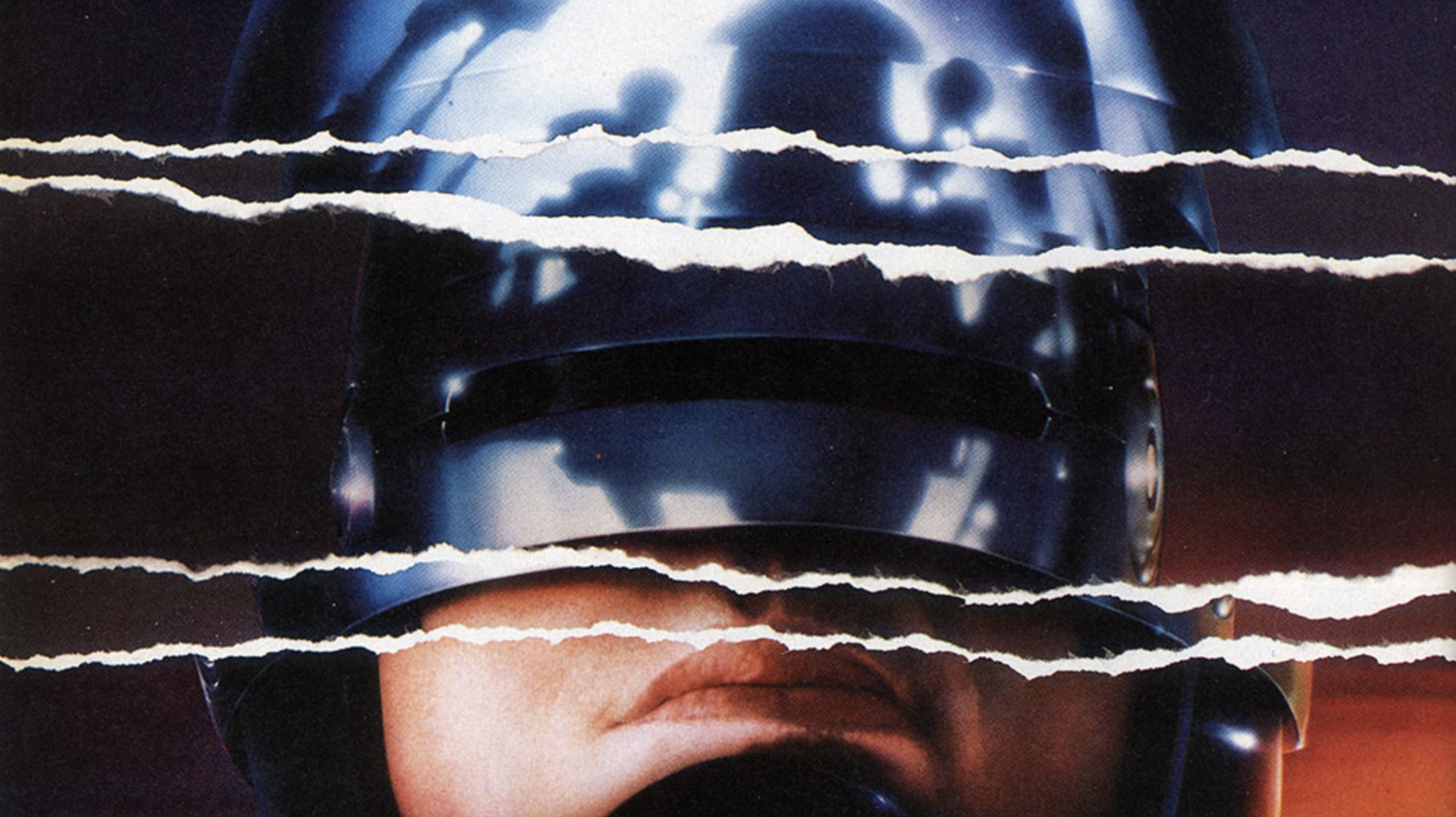

Digital Image Design (DID), the legendary British game development studio noted for its pioneering work in flight simulation and acclaimed titles like RoboCop 3, is signaling a long-awaited return to the games industry after more than twenty years of inactivity.
Established in 1989 by Martin Kenwright and Phillip Allsopp, DID quickly became a household name among simulation enthusiasts and established a legacy as a developer of cutting-edge software for both entertainment and military training applications.
DID’s debut release, F29 Retaliator, set the foundation for a series of high-profile simulations, including critical hits such as TFX (1993), EF2000 (1995), and Eurofighter Typhoon: Operation Icebreaker (2002), which would become the studio’s final game before falling silent.
The company’s attention to detail and technical prowess earned it collaborations with the Royal Air Force, British Army, and Royal Navy, with their training simulators used in actual pilot training programs.
Beyond flight simulators, DID authored cult favorites like RoboCop 3 (published by Ocean in 1991), Epic (1992), and Inferno (1994)—the latter featuring a soundtrack from English gothic rock band Alien Sex Fiend—and further emphasized its versatility with titles such as the action-filled Wargasm (1998).
DID’s trajectory changed notably in 1996 after Ocean Software, the studio’s primary publisher, was acquired by the French company Infogrames.
This corporate shift led to founder Martin Kenwright and six other senior staff leaving DID, later launching Evolution Studios with prominent industry figure Ian Hetherington of Psygnosis fame.
Subsequent departures from DID led several staff members to Rage Games, which acquired the DID brand before entering administration in 2003—a turn that led to the formation of Juice Games (THQ Digital Studios UK) by former DID personnel.
While details about the team behind DID’s revitalisation remain under wraps, a statement posted on social media—a simple message, “Stay tuned.
This year.”—confirmed that information is forthcoming, sparking significant anticipation within the gaming community.
As of yet, there has been no announcement regarding platform releases or game titles—such as a possible return to platforms like the Nintendo Switch or modern digital storefronts like the eShop.
However, DID's history of technical excellence and innovative gameplay mechanics positions the studio as one to watch as it prepares for its comeback.
For fans of classic British game development and simulation enthusiasts alike, the impending news from Digital Image Design may mark one of the year’s most exciting industry revivals.
Established in 1989 by Martin Kenwright and Phillip Allsopp, DID quickly became a household name among simulation enthusiasts and established a legacy as a developer of cutting-edge software for both entertainment and military training applications.
DID’s debut release, F29 Retaliator, set the foundation for a series of high-profile simulations, including critical hits such as TFX (1993), EF2000 (1995), and Eurofighter Typhoon: Operation Icebreaker (2002), which would become the studio’s final game before falling silent.
The company’s attention to detail and technical prowess earned it collaborations with the Royal Air Force, British Army, and Royal Navy, with their training simulators used in actual pilot training programs.
Beyond flight simulators, DID authored cult favorites like RoboCop 3 (published by Ocean in 1991), Epic (1992), and Inferno (1994)—the latter featuring a soundtrack from English gothic rock band Alien Sex Fiend—and further emphasized its versatility with titles such as the action-filled Wargasm (1998).
DID’s trajectory changed notably in 1996 after Ocean Software, the studio’s primary publisher, was acquired by the French company Infogrames.
This corporate shift led to founder Martin Kenwright and six other senior staff leaving DID, later launching Evolution Studios with prominent industry figure Ian Hetherington of Psygnosis fame.
Subsequent departures from DID led several staff members to Rage Games, which acquired the DID brand before entering administration in 2003—a turn that led to the formation of Juice Games (THQ Digital Studios UK) by former DID personnel.
While details about the team behind DID’s revitalisation remain under wraps, a statement posted on social media—a simple message, “Stay tuned.
This year.”—confirmed that information is forthcoming, sparking significant anticipation within the gaming community.
As of yet, there has been no announcement regarding platform releases or game titles—such as a possible return to platforms like the Nintendo Switch or modern digital storefronts like the eShop.
However, DID's history of technical excellence and innovative gameplay mechanics positions the studio as one to watch as it prepares for its comeback.
For fans of classic British game development and simulation enthusiasts alike, the impending news from Digital Image Design may mark one of the year’s most exciting industry revivals.