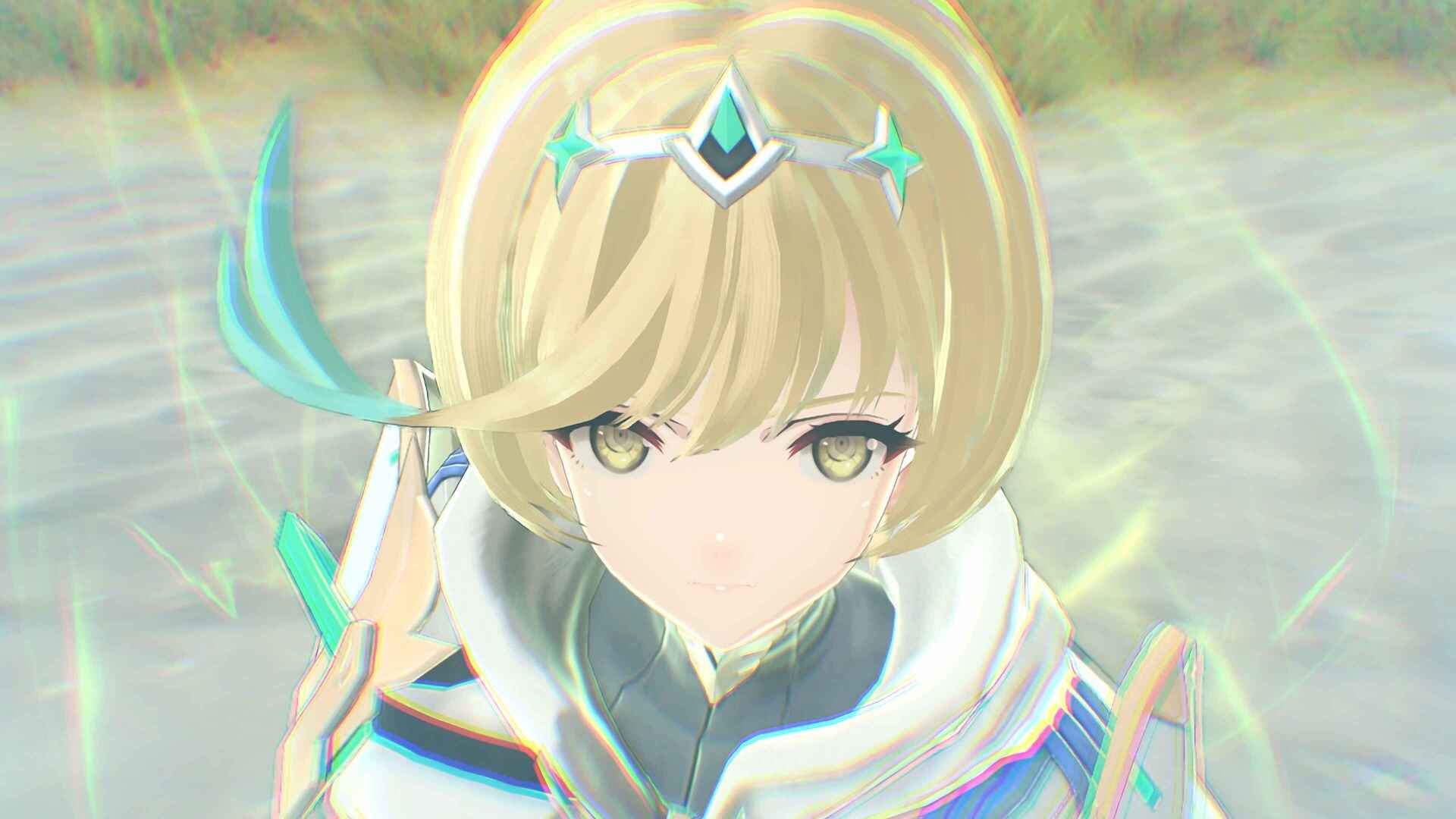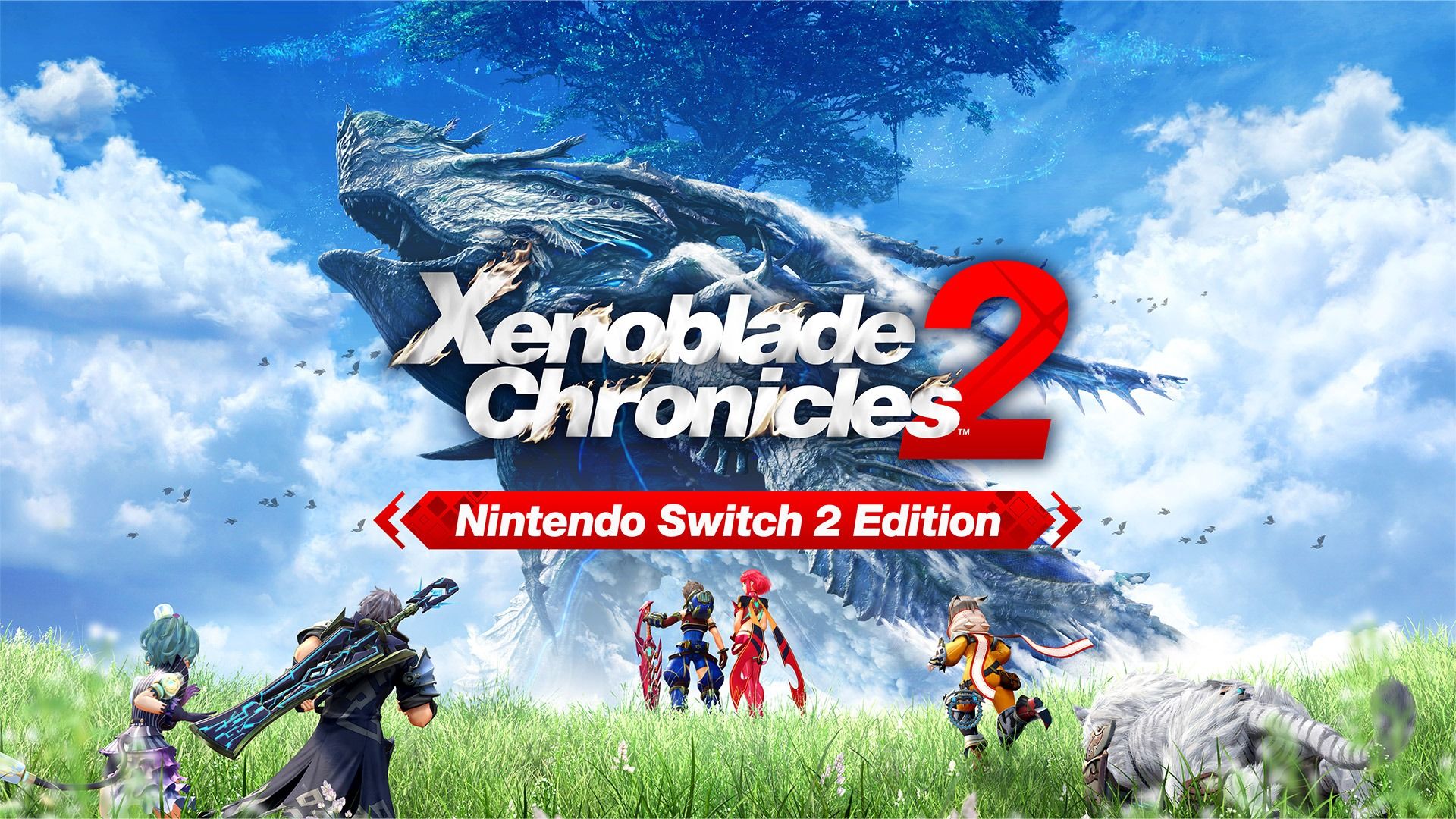

Xenoblade Chronicles 2 launched for Nintendo Switch on December 1, 2017.
Developed by Monolith Soft and published by Nintendo, the title continues the studio’s work on large-scale JRPGs and was later augmented by an expansion, Torna—The Golden Country, released in 2018.
Available digitally on the Nintendo eShop and as a physical release, Xenoblade Chronicles 2 remains a major entry in the series for Switch owners.
Overview
Monolith Soft refines many systems that defined earlier Xenoblade titles while introducing Blade-focused mechanics that shape both combat and exploration.
As one reviewer observed, "The game represents a lateral move for the series rather than a decisive step forward," reflecting the balance of improvements and regressions across the package.
Combat and Blades
The battle system is tighter and more focused than in some previous entries, with blades serving dual roles as both combat partners and narrative characters.
Blades provide not only weapon classes and arts but also buffs, debuffs and field skills used to access areas in the world of Alrest.
Art progression is shared across blades of the same weapon type, which reduces the friction of experimenting with different crew compositions.
Progression and Blade Acquisition
New blades are obtained primarily through core crystals; unique blades can also be gained via story events or side-quests.
The draw-based system means rare blades remain partially tied to chance, and rare core crystals raise odds but do not guarantee unique pulls.
Field skills and mercenary missions raise the utility of lesser blades by increasing driver stats and unlocking environmental access points.
Story, Characters and Side Content
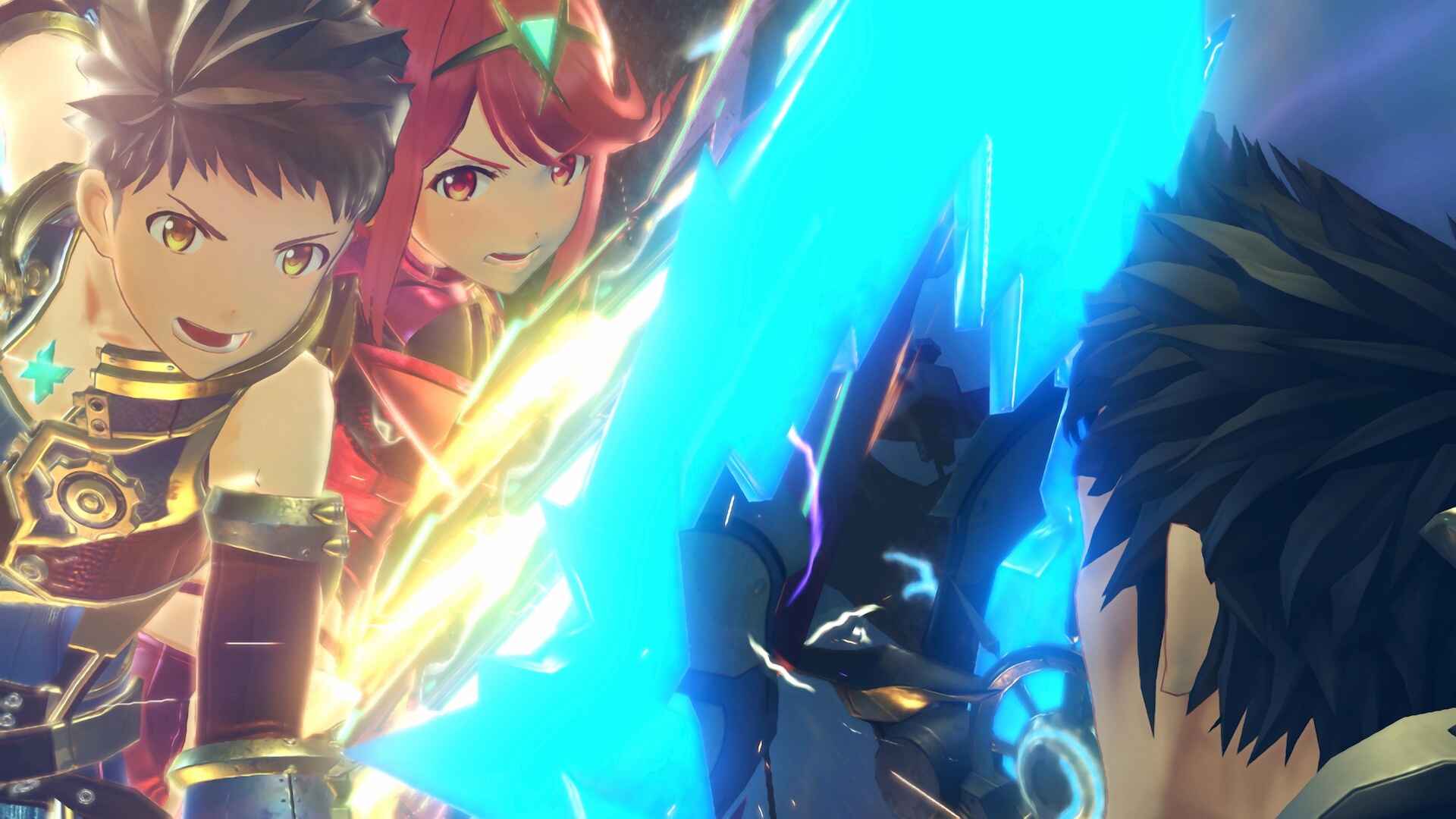
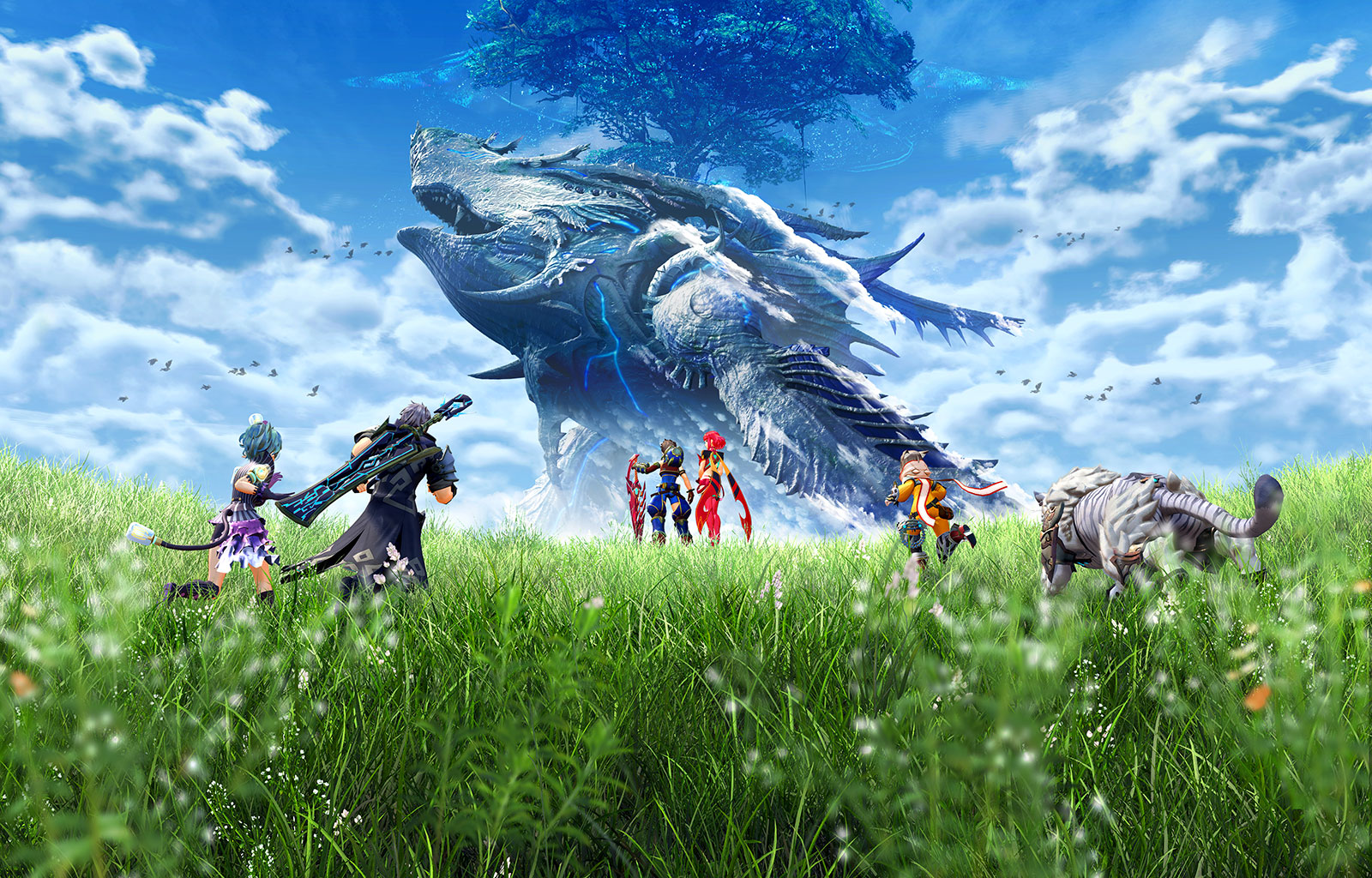
Xenoblade Chronicles 2 follows Rex and the blade Pyra on a pilgrimage toward Elysium at the top of the World Tree.
The main story adopts a lighter tone than some earlier entries, and while several protagonists show growth—most notably Rex, Nia and Pyra—many supporting cast members are handled in a more episodic, single-trait manner.
Side-quests are fewer than in past Xenoblade games but tend to require multiple objectives; they reward meaningful experience and expand select blade backstories.
Voice Acting and Presentation
The title ships with both English and Japanese voice tracks.
Many players and critics have noted that English performances do not always align with scene intent, prompting some to switch to Japanese VO for key moments.
In-battle voice overlap and frequent lines can make combat feel loud and cluttered compared with earlier series entries.
Conclusion
Xenoblade Chronicles 2 is a substantial JRPG on Nintendo Switch that blends Monolith Soft’s strength in world-building with new blade-centric mechanics.
While storytelling and some cast work may not reach the depth of prior titles, the combat, art systems and exploration offer long-term engagement for fans willing to invest time in the game.
Developed by Monolith Soft and published by Nintendo, the title continues the studio’s work on large-scale JRPGs and was later augmented by an expansion, Torna—The Golden Country, released in 2018.
Available digitally on the Nintendo eShop and as a physical release, Xenoblade Chronicles 2 remains a major entry in the series for Switch owners.
Overview
Monolith Soft refines many systems that defined earlier Xenoblade titles while introducing Blade-focused mechanics that shape both combat and exploration.
As one reviewer observed, "The game represents a lateral move for the series rather than a decisive step forward," reflecting the balance of improvements and regressions across the package.
Combat and Blades
The battle system is tighter and more focused than in some previous entries, with blades serving dual roles as both combat partners and narrative characters.
Blades provide not only weapon classes and arts but also buffs, debuffs and field skills used to access areas in the world of Alrest.
Art progression is shared across blades of the same weapon type, which reduces the friction of experimenting with different crew compositions.
Progression and Blade Acquisition
New blades are obtained primarily through core crystals; unique blades can also be gained via story events or side-quests.
The draw-based system means rare blades remain partially tied to chance, and rare core crystals raise odds but do not guarantee unique pulls.
Field skills and mercenary missions raise the utility of lesser blades by increasing driver stats and unlocking environmental access points.
Story, Characters and Side Content
Xenoblade Chronicles 2 follows Rex and the blade Pyra on a pilgrimage toward Elysium at the top of the World Tree.
The main story adopts a lighter tone than some earlier entries, and while several protagonists show growth—most notably Rex, Nia and Pyra—many supporting cast members are handled in a more episodic, single-trait manner.
Side-quests are fewer than in past Xenoblade games but tend to require multiple objectives; they reward meaningful experience and expand select blade backstories.
Voice Acting and Presentation
The title ships with both English and Japanese voice tracks.
Many players and critics have noted that English performances do not always align with scene intent, prompting some to switch to Japanese VO for key moments.
In-battle voice overlap and frequent lines can make combat feel loud and cluttered compared with earlier series entries.
Conclusion
Xenoblade Chronicles 2 is a substantial JRPG on Nintendo Switch that blends Monolith Soft’s strength in world-building with new blade-centric mechanics.
While storytelling and some cast work may not reach the depth of prior titles, the combat, art systems and exploration offer long-term engagement for fans willing to invest time in the game.