



The Legend of Zelda: Ocarina of Time remains one of Nintendo’s most influential releases since its debut on the Nintendo 64 in 1998.
Developed and published by Nintendo, the title established many conventions for 3D action-adventure design and has been reissued for modern audiences, most notably as The Legend of Zelda: Ocarina of Time 3D for the Nintendo 3DS in 2011, developed by Grezzo.
As Nintendo continues to support its hardware and digital storefronts such as the eShop, Ocarina of Time’s legacy informs discussions about remasters and potential ports for current and next-generation platforms like Nintendo Switch.
In a recent reviewer excerpt provided for context, the writer described their experience with a modern remake in clear terms: they said the updated cinematography, graphical overhaul, and orchestral score elevated familiar moments, often producing an emotional response; seamless transitions across Hyrule—particularly between Hyrule Field, Lon Lon Ranch, and Lake Hylia—made the world feel more immersive without adding entirely new locations; and enemy and character redesigns, including notably redesigned ReDead enemies, contributed to a stronger sense of realism.
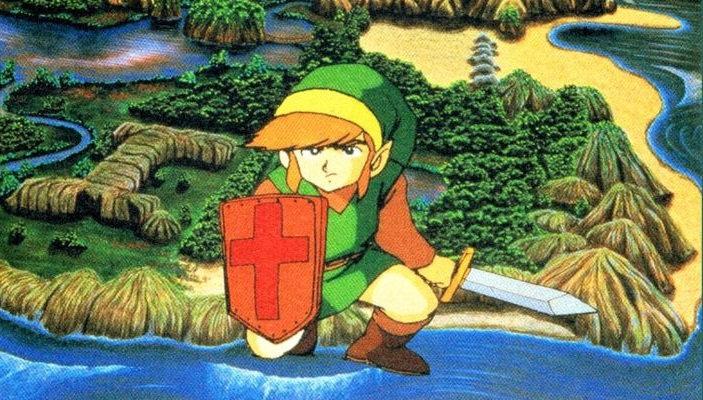
The reviewer also summarized the game’s enduring structure: players control Link, who grows up in Kokiri Forest and is paired with the fairy Navi; the narrative hinges on time-based progression, with young Link’s actions affecting the world seven years later as adult Link.
The writer noted that key mechanics—collecting pieces of heart, hunting 100 Gold Skulltulas, and completing distinct young/adult dungeons—remain core to progression, while mini-games and hidden grottos continue to provide optional content and rewards.
On controls and quality-of-life changes, the reviewer reported several modernizations: an explicit jump button replacing automatic ledge-jumping, improved target-lock responsiveness, and convenience features for tracking collectibles.
They also noted renewed presentation in cutscenes and additional dialogue, framing the remake as both a nostalgic and fresh playthrough.
Verified milestones: Ocarina of Time launched in 1998 on Nintendo 64 and was remastered for Nintendo 3DS in 2011 by Grezzo.
Nintendo’s continued platform updates and presentations—often announced through channels such as Nintendo Direct and distributed via the eShop—keep the franchise visible to both longtime fans and new players.
Whether experienced on the original hardware, a 3DS remaster, or future Nintendo platforms, Ocarina of Time’s design and story continue to shape expectations for remakes and preservation of classic games.


