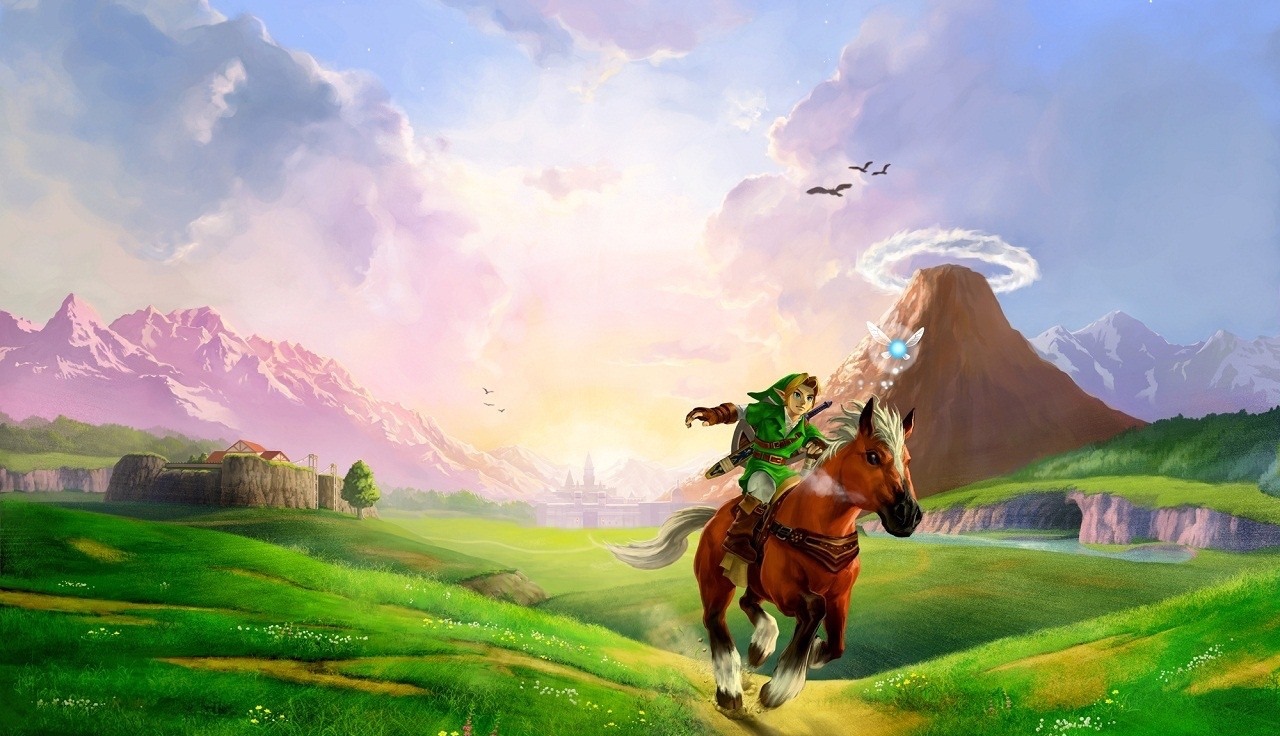
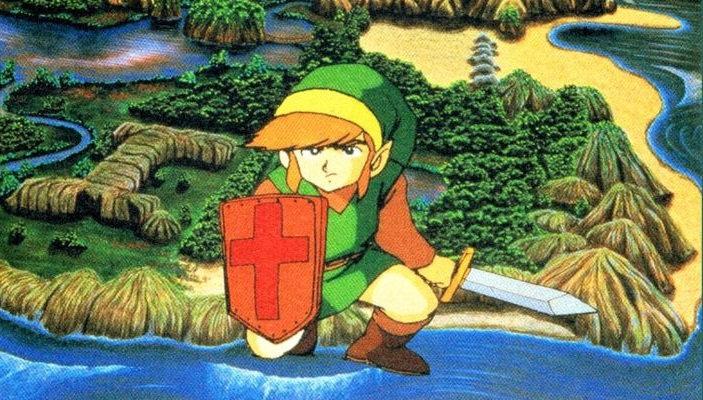
The Legend of Zelda: Ocarina of Time remains one of the most influential entries in Nintendo’s catalog, originally released for the Nintendo 64 in 1998 and later receiving a high-profile remake for Nintendo 3DS in 2011.
In recent social posts, Final Fantasy Resonance producer Keisuke Nakashima shared his reaction after completing a modern remake of Ocarina of Time, offering a developer’s perspective on revisiting a landmark title.
Nakashima — identified in posts as the producer of Final Fantasy Resonance — said via a machine translation that he completed the remake and found the experience “truly amazing.” In journalistic terms, Nakashima noted that a game he had played many times during the Nintendo 64 era felt even more enjoyable this time through, and that playing the remake served as a valuable learning experience in understanding how remakes are made.
His comments underscore a broader trend in the industry: veteran developers frequently revisit classic games to study how original designs can be preserved or enhanced for modern audiences.
Ocarina of Time’s original release established many conventions for 3D action-adventure design, and its 3DS remake demonstrated how updating visuals and quality-of-life features can bring the title to a new generation.
For context, Nintendo has a history of re-releasing and remastering legacy Zelda titles across platforms.
The franchise is handled internally by Nintendo teams and has been showcased on Nintendo’s digital platforms and presentations, including Nintendo Directs and listings on the Nintendo eShop.
Developers and producers often use these channels to announce projects, share behind-the-scenes information, and highlight retrospective perspectives from peers in the industry.
Nakashima’s reflections, provided through a translated social post, offer a succinct example of how playing and analyzing a remake can inform a producer’s approach to modern game development.
While the original Ocarina of Time remains rooted in the Nintendo 64 era, its remakes and re-releases continue to be touchstones for developers studying design, pacing, and technical updates that respect the source material.
As the industry continues to balance preservation and modernization, firsthand impressions from established producers like Nakashima contribute to public understanding of why remakes matter — both as player experiences and as practical lessons in game development.