
Call of the Elder Gods arrives as a direct narrative follow-up to Call of the Sea from developer Out of the Blue Games and publisher Kawlee.
This adventure-puzzle sequel continues the studio’s focus on atmospheric storytelling and environmental puzzles.
This review examines the Nintendo Switch version, highlighting core gameplay, narrative structure, and the game’s optional hint system.
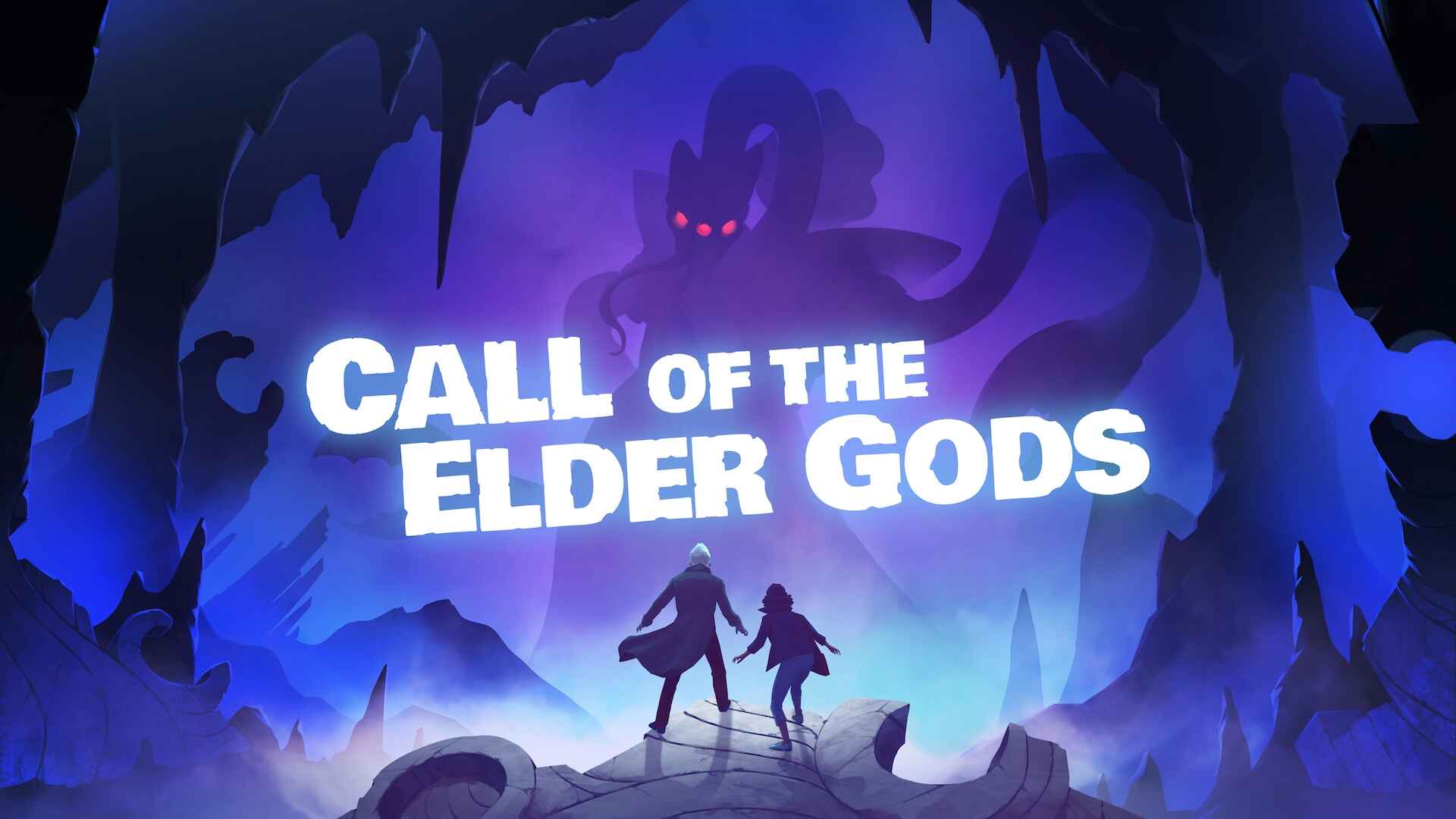
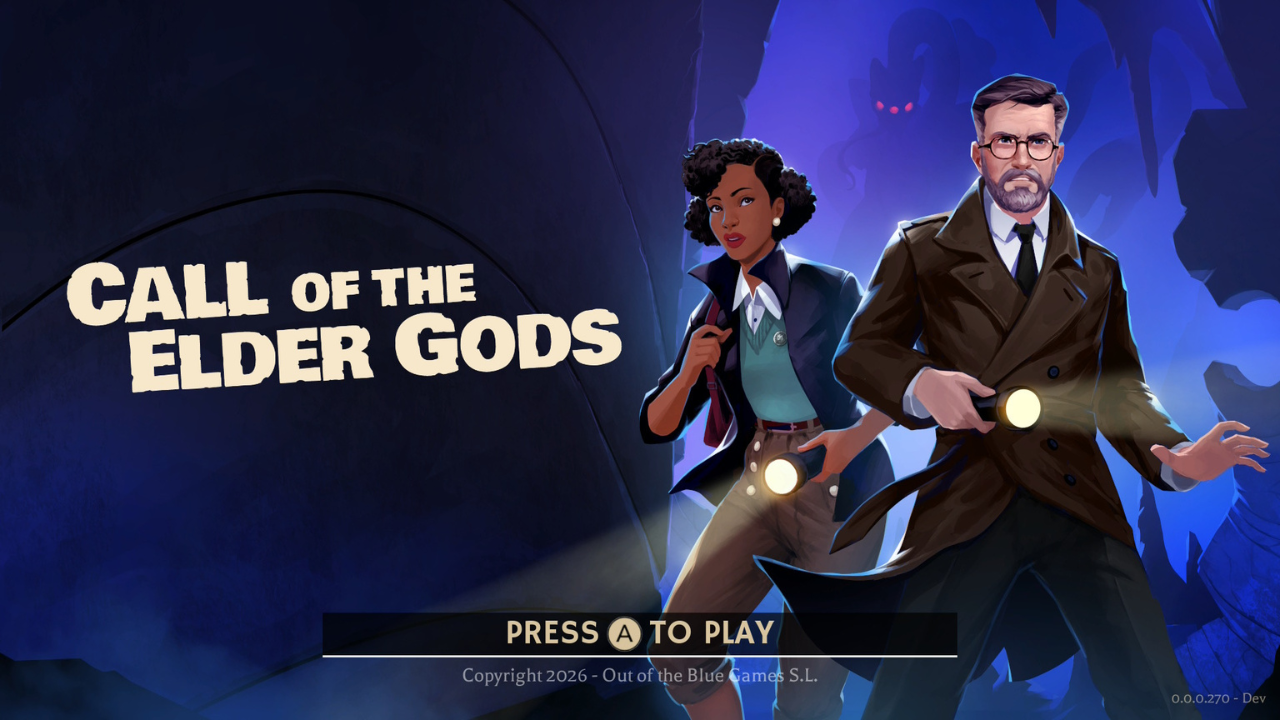
The game places players in control of two protagonists: Harry Everhart, a professor at Miskatonic University and the spouse of the original game’s lead, and Evangeline Drayton, a student at the same institution.
The pair pursue intertwined threads of memory and supernatural visions — Harry contends with shadowy visions while Evangeline dreams repeatedly about a mysterious artifact — and the plot unfolds years after the events of Call of the Sea.
While knowledge of the original title can enrich context, Call of the Elder Gods is structured so new players can follow its narrative independently.
Reviewers noted the game’s linear design: progression depends on solving each puzzle in sequence.
The reviewer observed that the optional hint system can be enabled via difficulty settings and assists by recording discovered clues in Evangeline’s journal.
In journalistic terms: the review states the hint system guides players through chapter objectives step-by-step and can provide direct solutions when necessary, reducing frustration without completely removing challenge.
Puzzles vary in clarity and complexity.
Some are intuitive; others present limited on-screen explanation, at times forcing players to connect disparate clues.
The game also uses dual-character puzzles that require coordinated problem solving between Harry and Evangeline.
The review provides an example of a two-part mechanic: Evangeline operates in an underwater cavern while Harry navigates a cave above; items must be retrieved and ferried between characters to progress.
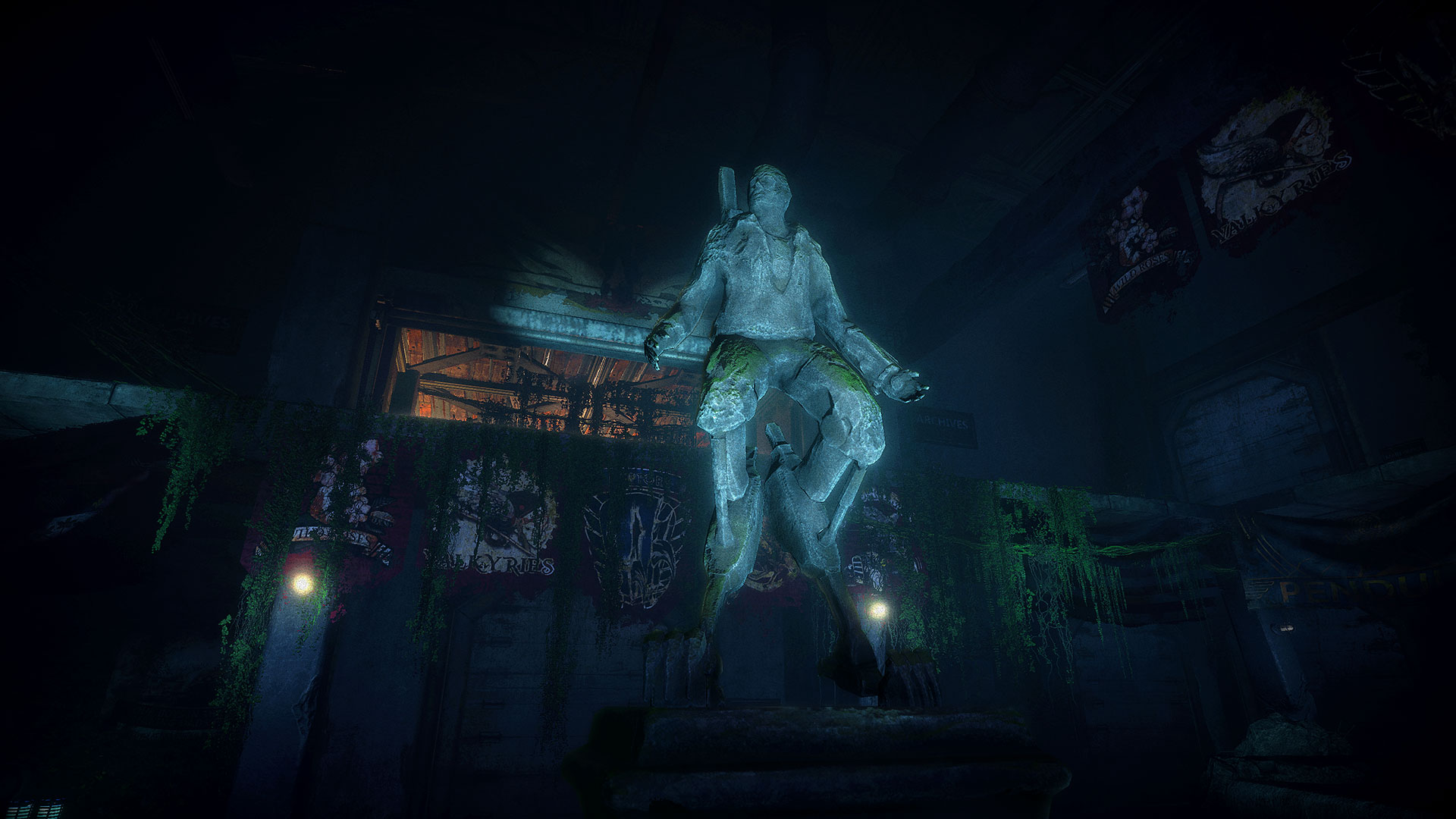
Call of the Elder Gods is fully voice acted, and the review praises the performances alongside atmospheric music and detailed visuals, calling the audio-visual presentation “stunning and immersive.” The reviewer awarded the game an overall score of 8/10, describing it as “very good” — praising the approachable hint system and the engaging dual-perspective storytelling while noting the puzzles can be opaque at times.
In summary, Call of the Elder Gods offers a narrative-driven puzzle experience that refines several design elements from Call of the Sea.
For players who enjoy story-centric adventure games on Nintendo Switch and appreciate optional guidance through a hint system, this sequel is recommended.
The review was written by Rachel, a narrative-driven game reviewer with a background in fiction and game narrative.
This adventure-puzzle sequel continues the studio’s focus on atmospheric storytelling and environmental puzzles.
This review examines the Nintendo Switch version, highlighting core gameplay, narrative structure, and the game’s optional hint system.
The game places players in control of two protagonists: Harry Everhart, a professor at Miskatonic University and the spouse of the original game’s lead, and Evangeline Drayton, a student at the same institution.
The pair pursue intertwined threads of memory and supernatural visions — Harry contends with shadowy visions while Evangeline dreams repeatedly about a mysterious artifact — and the plot unfolds years after the events of Call of the Sea.
While knowledge of the original title can enrich context, Call of the Elder Gods is structured so new players can follow its narrative independently.
Reviewers noted the game’s linear design: progression depends on solving each puzzle in sequence.
The reviewer observed that the optional hint system can be enabled via difficulty settings and assists by recording discovered clues in Evangeline’s journal.
In journalistic terms: the review states the hint system guides players through chapter objectives step-by-step and can provide direct solutions when necessary, reducing frustration without completely removing challenge.
Puzzles vary in clarity and complexity.
Some are intuitive; others present limited on-screen explanation, at times forcing players to connect disparate clues.
The game also uses dual-character puzzles that require coordinated problem solving between Harry and Evangeline.
The review provides an example of a two-part mechanic: Evangeline operates in an underwater cavern while Harry navigates a cave above; items must be retrieved and ferried between characters to progress.
Call of the Elder Gods is fully voice acted, and the review praises the performances alongside atmospheric music and detailed visuals, calling the audio-visual presentation “stunning and immersive.” The reviewer awarded the game an overall score of 8/10, describing it as “very good” — praising the approachable hint system and the engaging dual-perspective storytelling while noting the puzzles can be opaque at times.
In summary, Call of the Elder Gods offers a narrative-driven puzzle experience that refines several design elements from Call of the Sea.
For players who enjoy story-centric adventure games on Nintendo Switch and appreciate optional guidance through a hint system, this sequel is recommended.
The review was written by Rachel, a narrative-driven game reviewer with a background in fiction and game narrative.