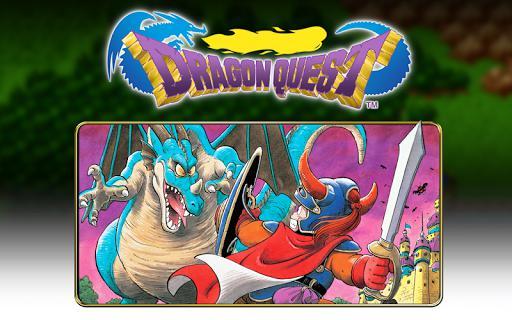




Square Enix released Dragon Quest III HD-2D Remake worldwide on November 14, 2024, bringing the classic role-playing game to modern hardware including Nintendo Switch, PlayStation platforms and Windows.
The HD-2D remake has been spotlighted in Nintendo Direct segments and listed on the Nintendo eShop for digital purchase, generating renewed interest in one of the franchise’s most influential entries.
The original Dragon Quest III, developed by Enix for the Famicom, premiered on February 10, 1988.
That launch remains notable in gaming history: the title sold approximately 1.1 million copies on its first day and reached roughly 3 million sales by the end of its first week.
Dragon Quest III stayed at the top of the Japanese sales charts for months and went on to be Japan’s best-selling game of 1988.
The 1988 release also had a palpable social impact.
Contemporary reports documented massive queues at stores, incidents of theft and assault linked to frantic purchasing, and nearly 300 arrests connected to student truancy as schoolchildren left classes to buy the game.
Those events fed a widely circulated urban legend that the Japanese government enacted a so-called "Dragon Quest Law" to restrict weekday releases.
That story is incorrect: it was actually Enix that chose a company policy to release Dragon Quest titles on Saturdays to reduce school absenteeism.
Series executive producer Yuu Miyake explained the rationale in an interview with IGN, saying that the industry standard at the time was Thursday releases, which encouraged some students to skip school.
As a result, Enix negotiated with Nintendo to move Dragon Quest releases to Saturdays as a special exception.
The Saturday-release practice became a recognizable part of Dragon Quest’s publishing history and continued through later entries, including the era that led up to Dragon Quest XI in 2017.
Today’s landscape is very different: digital storefronts such as the Nintendo eShop allow players to download games without visiting retail outlets, reducing the likelihood of the large public disturbances seen in 1988.
As the HD-2D remake reaches current platforms, industry watchers and fans can compare modern critical reception and sales performance with the franchise’s historic milestones.
Early coverage and reviews from outlets including Nintendo Life, Push Square and Pure Xbox offer further context on how the remake translates Dragon Quest III’s legacy to contemporary systems.