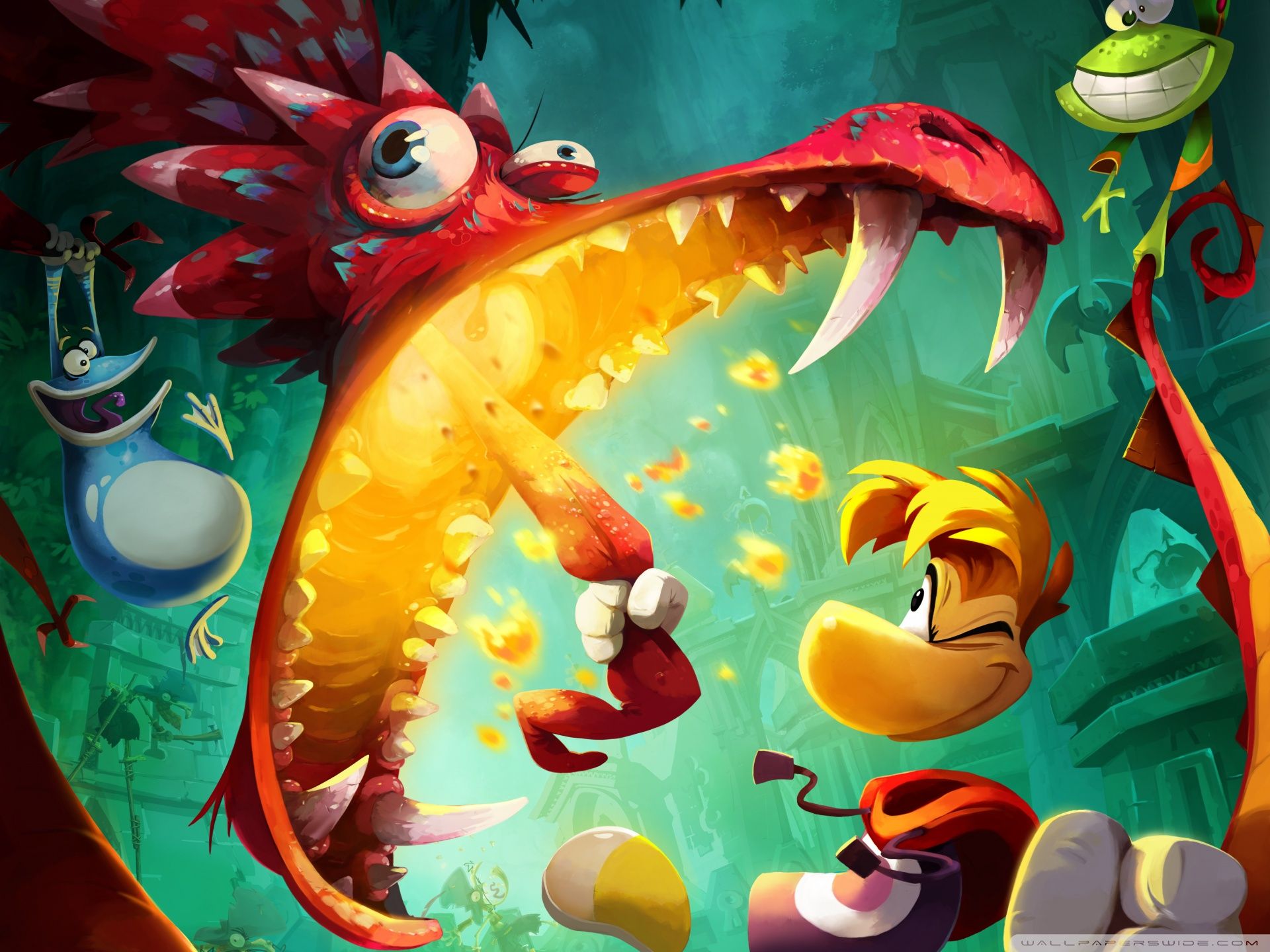



Rayman Legends Retold arrives as a reimagining of Ubisoft Montpellier’s 2013 platformer Rayman Legends, a title that earned praise for its hand-drawn 2D art and tight platforming.
Developed by Ubisoft Montpellier and published by Ubisoft, the original Rayman Legends set a high bar for cooperative platformers and collectible-driven level design.
In a recent hands-on preview, Rayman Legends Retold was presented as a remake that shifts the series into a more cinematic, three-dimensional presentation while keeping core series elements intact.
From the opening moments of the preview it was clear this project is not merely a visual remaster.
The build I played behaves as a full remake with purpose-built 3D visuals, expanded narrative beats, new cutscenes with voice work, and additional content such as a new antagonist and an extra realm.
In journalistic terms: the remake reframes the 2013 experience into a story-forward, cinematic platformer without discarding the series’ original identity.
The move from 2D to 3D is handled with care.
Whereas the 2013 release was celebrated for its painterly 2D levels and responsive controls, Retold translates those strengths into a three‑dimensional world that preserves snappy movement and visual personality.
One clear takeaway from the preview was how the game trusts players to learn organically: initial prompts introduce mechanics, but progression relies on experimentation.
Players discover faster traversal routes, chainable moves, and combat techniques through play rather than constant tutorials.
This design philosophy is most visible in the time trial stages.
These challenge levels reward precision, route optimization, and iterative improvement; repeated attempts consistently taught new tricks and often resulted in tangible progress.
As I refined routes and tightened inputs, the satisfaction of finally clearing a difficult trial underscored the remake’s design goals.
Retold also adds new gameplay set pieces, including rideable, domesticated dragons that enable aerial sequences.
These levels combine fire-breathing attacks with careful dodging and escorting of Teensies — small, collectible characters that, like Lums (the series’ collectible currency), return as familiar systems for unlocking extras in the hub.
The preview covered early worlds, hub exploration, and the game's unlock economy centered on Lums and collectibles.
While this account is based on hands-on time with a preview build rather than a full retail release, the remake appears to retain the spirit that made the original a standout platformer.
For players who followed Rayman’s evolution since 2013, Rayman Legends Retold looks to be a faithful yet ambitious reinvention worth watching as development continues.
Developed by Ubisoft Montpellier and published by Ubisoft, the original Rayman Legends set a high bar for cooperative platformers and collectible-driven level design.
In a recent hands-on preview, Rayman Legends Retold was presented as a remake that shifts the series into a more cinematic, three-dimensional presentation while keeping core series elements intact.
From the opening moments of the preview it was clear this project is not merely a visual remaster.
The build I played behaves as a full remake with purpose-built 3D visuals, expanded narrative beats, new cutscenes with voice work, and additional content such as a new antagonist and an extra realm.
In journalistic terms: the remake reframes the 2013 experience into a story-forward, cinematic platformer without discarding the series’ original identity.
The move from 2D to 3D is handled with care.
Whereas the 2013 release was celebrated for its painterly 2D levels and responsive controls, Retold translates those strengths into a three‑dimensional world that preserves snappy movement and visual personality.
One clear takeaway from the preview was how the game trusts players to learn organically: initial prompts introduce mechanics, but progression relies on experimentation.
Players discover faster traversal routes, chainable moves, and combat techniques through play rather than constant tutorials.
This design philosophy is most visible in the time trial stages.
These challenge levels reward precision, route optimization, and iterative improvement; repeated attempts consistently taught new tricks and often resulted in tangible progress.
As I refined routes and tightened inputs, the satisfaction of finally clearing a difficult trial underscored the remake’s design goals.
Retold also adds new gameplay set pieces, including rideable, domesticated dragons that enable aerial sequences.
These levels combine fire-breathing attacks with careful dodging and escorting of Teensies — small, collectible characters that, like Lums (the series’ collectible currency), return as familiar systems for unlocking extras in the hub.
The preview covered early worlds, hub exploration, and the game's unlock economy centered on Lums and collectibles.
While this account is based on hands-on time with a preview build rather than a full retail release, the remake appears to retain the spirit that made the original a standout platformer.
For players who followed Rayman’s evolution since 2013, Rayman Legends Retold looks to be a faithful yet ambitious reinvention worth watching as development continues.