Since the Nintendo Switch launched on March 3, 2017, Nintendo's software output has been the primary yardstick for the console's cultural and commercial success. The Switch era began with a slate of high-profile releases in 2017 and evolved through hardware updates, Nintendo Direct showcases, and a mix of first-party originals, remakes and third-party collaborations. This article reviews each calendar year from 2017 through 2023, emphasizing verified release dates, developer credits and notable milestones.
2017: A breakthrough launch year
Nintendo launched the Switch alongside The Legend of Zelda: Breath of the Wild on March 3, 2017; key first-year releases included Mario Kart 8 Deluxe (Apr 28, 2017), Splatoon 2 (Jul 21, 2017), ARMS (Jun 16, 2017), Mario + Rabbids: Kingdom Battle (Jun 29, 2017), Super Mario Odyssey (Oct 27, 2017) and Xenoblade Chronicles 2 (Dec 1, 2017). Many outlets and players cite 2017 as a foundational year because of Breath of the Wild’s broad critical acclaim and the variety of launch-window offerings.
2018–2019: Smash and ports
Super Smash Bros. Ultimate released on December 7, 2018 and became a major evergreen title for the platform. 2018 and 2019 also saw a number of ports and remasters alongside new releases: New Super Mario Bros. U Deluxe (Jan 11, 2019), Super Mario Maker 2 (Jun 28, 2019), Fire Emblem: Three Houses (Jul 26, 2019) and Luigi’s Mansion 3 (Oct 31, 2019). Pokemon Sword and Shield arrived in late 2019 and marked a shift for the franchise on Switch.
2020: Pandemic-era hits
2020’s standout release was Animal Crossing: New Horizons (Mar 20, 2020), which achieved outsized cultural impact on launch. The year also included Xenoblade Chronicles: Definitive Edition (May 29, 2020) and Hyrule Warriors: Age of Calamity (Nov 20, 2020).
2021: Consistent first-party support
Nintendo’s 2021 calendar featured Super Mario 3D World + Bowser’s Fury (Feb 12, 2021), Metroid Dread (Oct 8, 2021, developed by MercurySteam in collaboration with Nintendo EPD), Mario Party Superstars (Oct 29, 2021) and Pokémon Brilliant Diamond & Shining Pearl (Nov 19, 2021).
2022: Experiments and big IPs
2022 saw Pokémon Legends: Arceus (Jan 28, 2022) and Kirby and the Forgotten Land (Mar 25, 2022). Xenoblade Chronicles 3 released on July 29, 2022. Nintendo also delivered Splatoon 3 (Sep 9, 2022), Bayonetta 3 (Oct 28, 2022) and Pokémon Scarlet & Violet (Nov 18, 2022).
2023: Flagship sequel year
Metroid Prime Remastered arrived in February 2023, and Nintendo’s flagship 2023 release, The Legend of Zelda: Tears of the Kingdom, released on May 12, 2023. Pikmin 4 followed on July 21, 2023; both titles were among the year’s highest-profile first-party launches.
Paraphrased commentary from the reviewed piece
- The author framed the project as a comprehensive ranking of every calendar year since the Switch’s 2017 debut, noting they aimed for objectivity but acknowledged personal opinion influenced the final ratings.
- On 2017, the author wrote that Nintendo “came out swinging,” which we summarize as: the Switch’s launch year delivered an unusually strong and diverse lineup that helped establish the platform’s momentum.
Conclusion
Across 2017–2023 Nintendo balanced major new IP entries, remakes and third-party partnerships. Verified release dates and developer credits show a rhythm of blockbuster launches followed by years of remasters and support: an approach that has defined Nintendo’s modern strategy for the Switch era. For industry watchers, the period from 2017 to 2023 provides a clear case study in platform launch sequencing, first-party prioritization and the long tail of live-service support via Nintendo Directs and the eShop.
Ranking Nintendo Switch Years: How 2017–2023 Shaped Nintendo's Modern Era
Nintendo News Hub

Game Pages Mentioned In This Article
Use these Nintendo Switch game pages to keep exploring the titles connected to this story, including related genres, developers, screenshots, and more coverage.
STAY
Ratalaika Games · Action · 2018
View game page
Perception
The Deep End Games · Indie · 2017
View game page
LOVE
Fred Wood · Action · 2014
View game page
Jump, Step, Step
Dzung Phung Dinh · Indie · 2017
View game page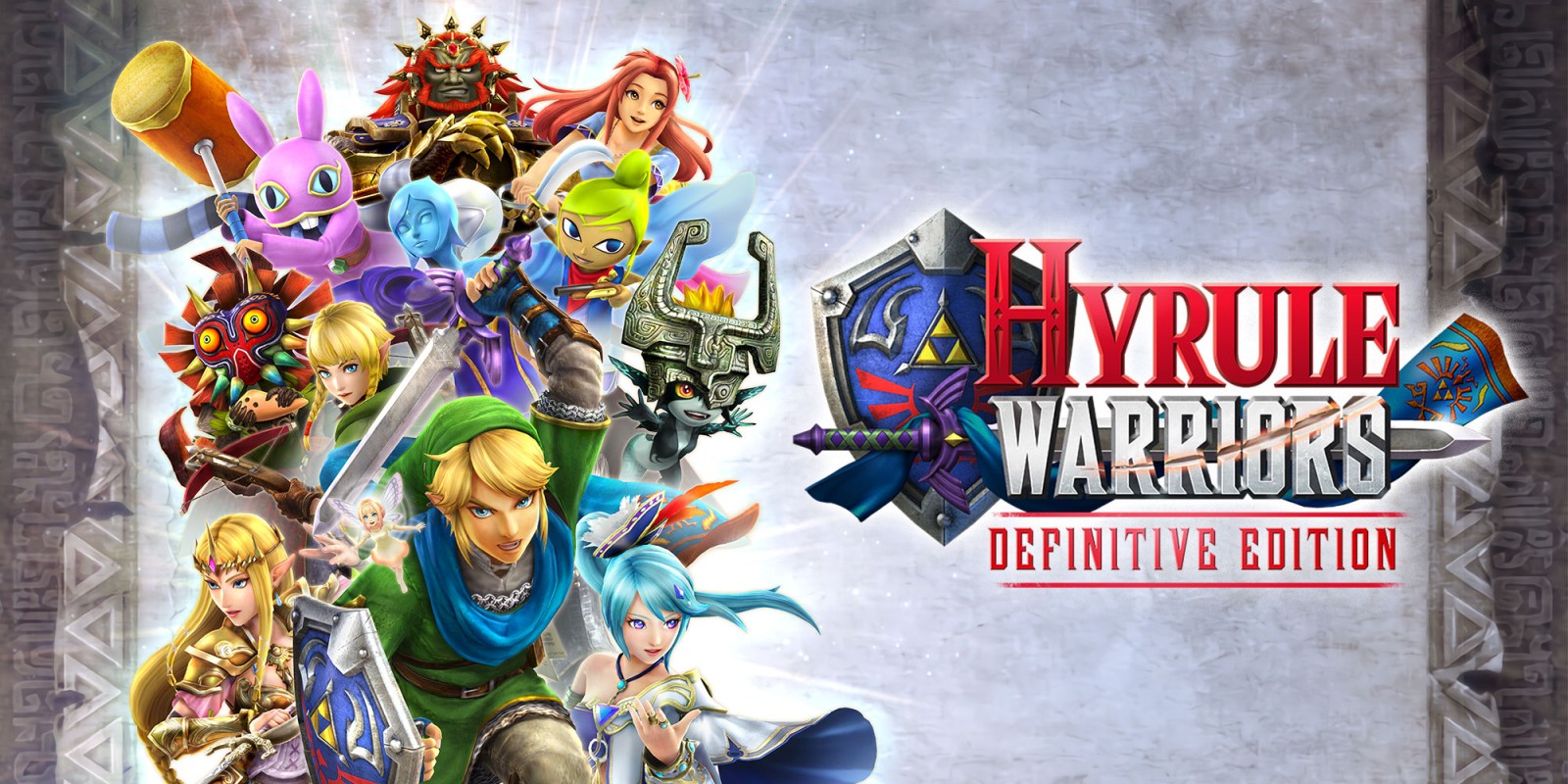
Hyrule Warriors: Definitive Edition
Koei Tecmo · Action · 2018
View game page
Everything
David O'Reilly · Indie · 2017
View game pageRelated Topics
Explore more articles about these topics:
Source: NintendoEverything



