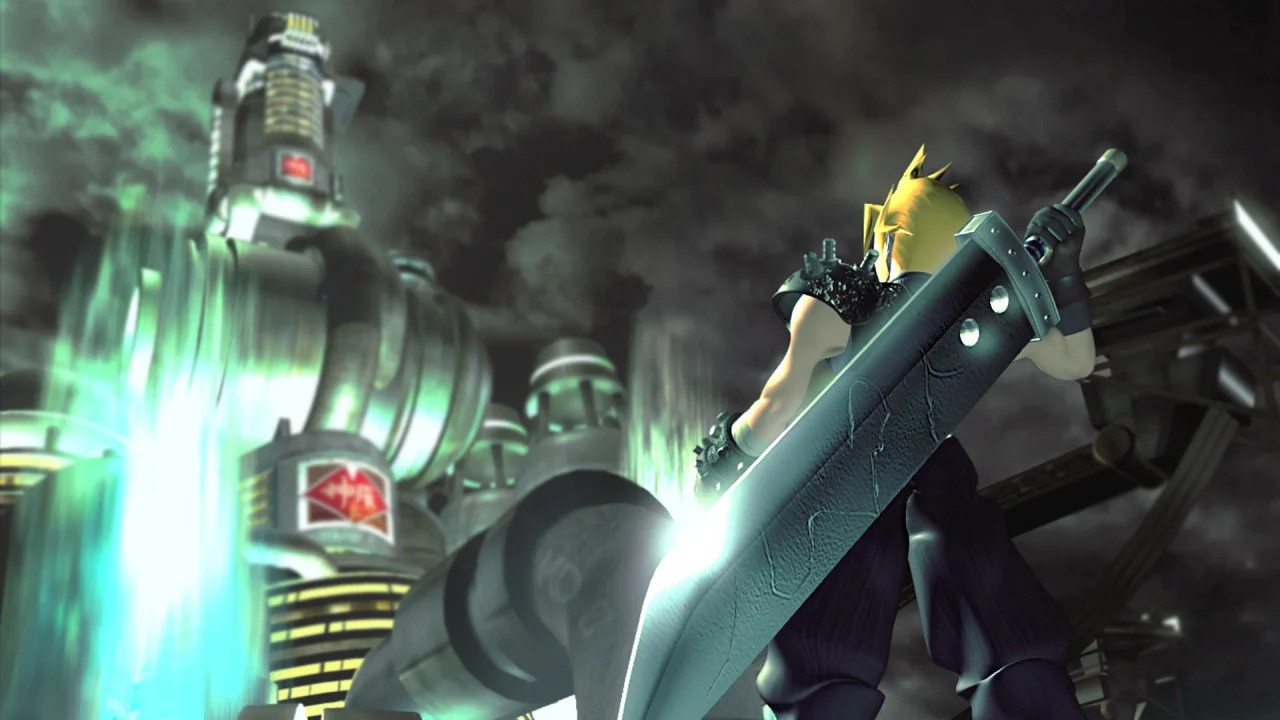
The legacy of Final Fantasy VII, one of the most iconic role-playing games developed by Square, extends beyond its gameplay and story to the many versions localized for players worldwide.
Of particular note is the German translation of the original PlayStation release, which has long been criticized for mistranslations and awkward phrasing.
As the role of localization in global releases grows ever more significant for platforms like the Nintendo Switch, understanding the challenges faced by past projects such as Final Fantasy VII remains highly relevant to industry professionals and fans alike.
When Square launched Final Fantasy VII for PlayStation in 1997, several localization teams in Europe took on the massive task of bringing the game's complex narrative and terminology to life in their respective languages.
The German translation quickly stood out due to a series of notable errors and literal interpretations, such as translating "sewer pipe" from Japanese into "Erdflöte" (Earth Flute), misspelling "Angriff" (attack) as "Angreiff," and converting unique in-game terms like "SOLDIER" into "SOLDAT" and "Materia" into "Substanz." Such inconsistencies led German fans to eventually retranslate the entire game, uncovering numerous translation issues over the years.
In an interview this year, former Sony Computer Entertainment producer Martin Alltimes, who oversaw localization for the European PS1 versions, offered insight into why these issues occurred.
Alltimes cited his limited experience with localization projects at the time, as well as significant time constraints and limited testing before the launch.
According to Alltimes, there was considerable pressure leading up to release, and at one point, he and a group of translators—including representatives for the German, French, and Spanish versions—traveled to Square's offices in Japan to address last-minute translation and implementation issues.
One of the key German translators, Karin Pfetzer, shared her firsthand experience with the process.
Pfetzer described localizing Final Fantasy VII as "a race against the clock," involving a team of seven translators working through spreadsheets of English text using Microsoft Word or Excel.
She explained that translators often lacked context for where phrases appeared in the game, leading to literal or awkward translations.
"Given the speed that we were working at, we couldn’t check every single string in the English game, so these facts would have led to some awkward phrasings," said Pfetzer.
She emphasized the struggle with limitations such as on-screen character counts, the natural tendency for German words to be longer, and the lack of clarity on how text would be used in-game.
Pfetzer also recalled the intense period at Square's Japanese offices: "I remember working crazy hours, traveling from the hotel to the office on the train in the morning, sitting with the testers who whizzed through the game with us until deep into the night, then the engineers implementing fixes for us to test the next day." While she did not see the trip as dramatic, she described it as a "wonderful opportunity," highlighting the camaraderie built between translators, engineers, and testers during those late nights.
Since the original release, subsequent versions of Final Fantasy VII—from the 1998 EIDOS PC release to modern ports on platforms like Steam and the Nintendo Switch—have featured revised German scripts, reflecting lessons learned from past localization efforts.
Nevertheless, the original PlayStation German translation remains a fascinating chapter in video game localization history, illustrating the high-stakes challenges faced by developers and translators as they bring beloved titles to new audiences worldwide.
Of particular note is the German translation of the original PlayStation release, which has long been criticized for mistranslations and awkward phrasing.
As the role of localization in global releases grows ever more significant for platforms like the Nintendo Switch, understanding the challenges faced by past projects such as Final Fantasy VII remains highly relevant to industry professionals and fans alike.
When Square launched Final Fantasy VII for PlayStation in 1997, several localization teams in Europe took on the massive task of bringing the game's complex narrative and terminology to life in their respective languages.
The German translation quickly stood out due to a series of notable errors and literal interpretations, such as translating "sewer pipe" from Japanese into "Erdflöte" (Earth Flute), misspelling "Angriff" (attack) as "Angreiff," and converting unique in-game terms like "SOLDIER" into "SOLDAT" and "Materia" into "Substanz." Such inconsistencies led German fans to eventually retranslate the entire game, uncovering numerous translation issues over the years.
In an interview this year, former Sony Computer Entertainment producer Martin Alltimes, who oversaw localization for the European PS1 versions, offered insight into why these issues occurred.
Alltimes cited his limited experience with localization projects at the time, as well as significant time constraints and limited testing before the launch.
According to Alltimes, there was considerable pressure leading up to release, and at one point, he and a group of translators—including representatives for the German, French, and Spanish versions—traveled to Square's offices in Japan to address last-minute translation and implementation issues.
One of the key German translators, Karin Pfetzer, shared her firsthand experience with the process.
Pfetzer described localizing Final Fantasy VII as "a race against the clock," involving a team of seven translators working through spreadsheets of English text using Microsoft Word or Excel.
She explained that translators often lacked context for where phrases appeared in the game, leading to literal or awkward translations.
"Given the speed that we were working at, we couldn’t check every single string in the English game, so these facts would have led to some awkward phrasings," said Pfetzer.
She emphasized the struggle with limitations such as on-screen character counts, the natural tendency for German words to be longer, and the lack of clarity on how text would be used in-game.
Pfetzer also recalled the intense period at Square's Japanese offices: "I remember working crazy hours, traveling from the hotel to the office on the train in the morning, sitting with the testers who whizzed through the game with us until deep into the night, then the engineers implementing fixes for us to test the next day." While she did not see the trip as dramatic, she described it as a "wonderful opportunity," highlighting the camaraderie built between translators, engineers, and testers during those late nights.
Since the original release, subsequent versions of Final Fantasy VII—from the 1998 EIDOS PC release to modern ports on platforms like Steam and the Nintendo Switch—have featured revised German scripts, reflecting lessons learned from past localization efforts.
Nevertheless, the original PlayStation German translation remains a fascinating chapter in video game localization history, illustrating the high-stakes challenges faced by developers and translators as they bring beloved titles to new audiences worldwide.


