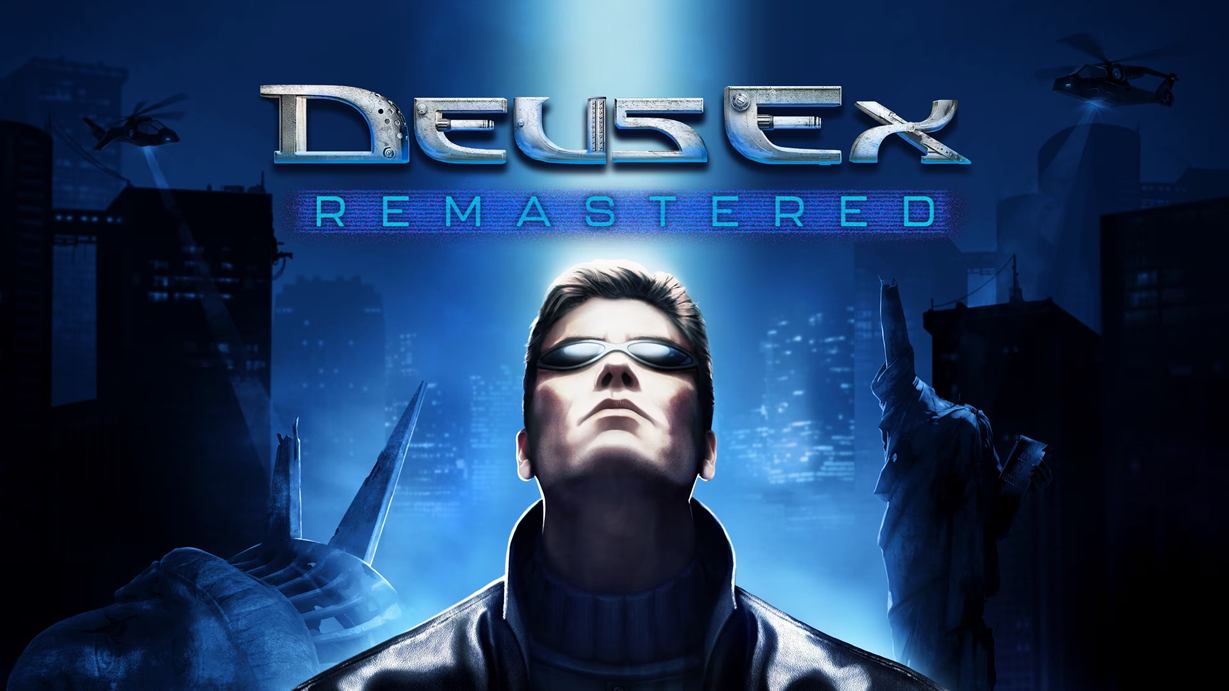


Eidos’s Deus Ex is widely hailed as a landmark in action-adventure gaming, marrying first-person exploration with deep RPG mechanics, dynamic combat, open-ended puzzles, and a compelling sci-fi narrative.
Launched to widespread critical and commercial success in 2000, the original Deus Ex set a new standard for PC gaming.
Its popularity made a sequel inevitable.
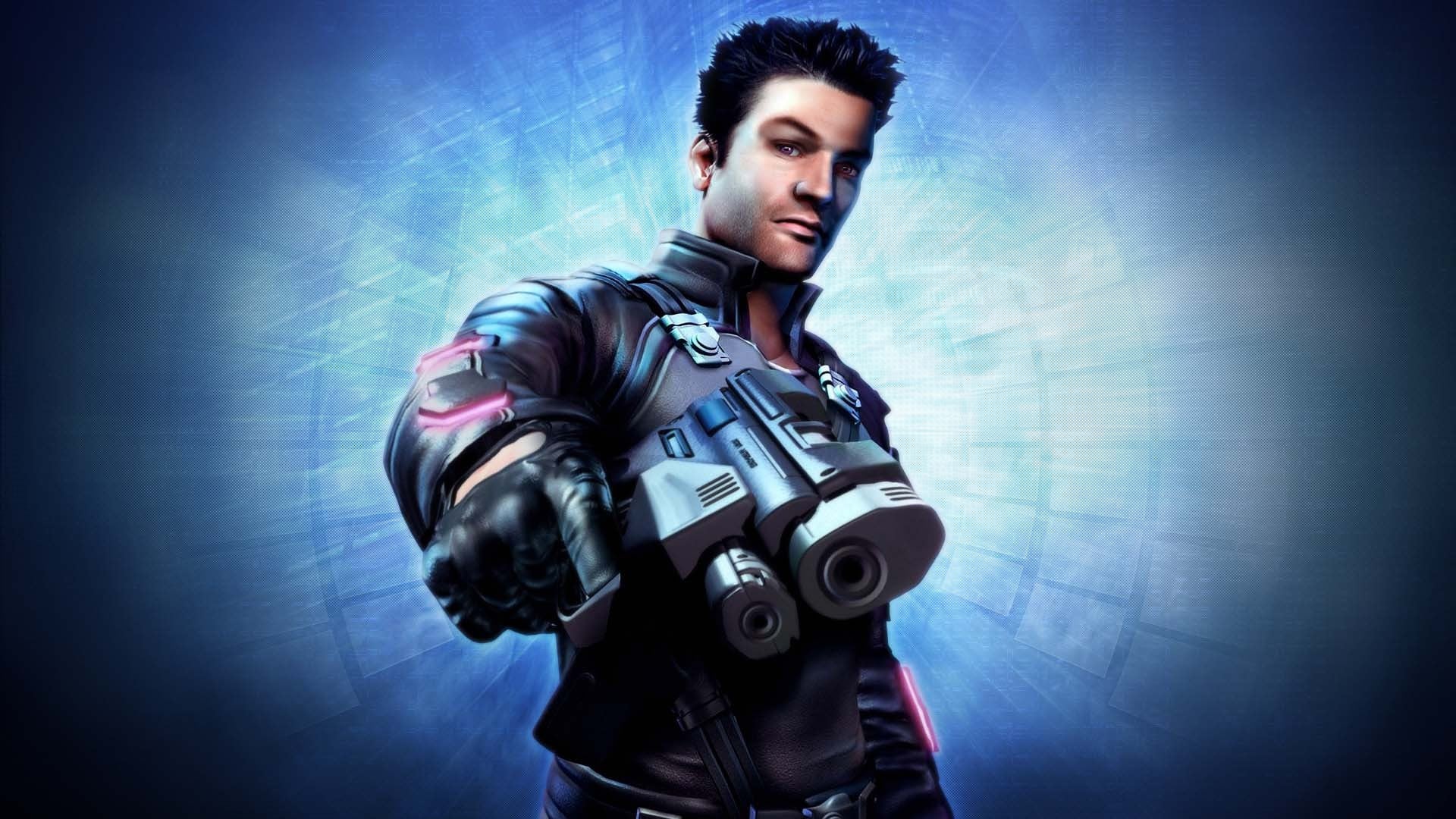
Released in 2003, Deus Ex: Invisible War aimed to build on that legacy but faced unique development challenges — especially as it transitioned to a focus on console hardware, including the original Xbox, deviating from the PC-centric design of its predecessor.
Recently, Project Director Harvey Smith and designer Ricardo Bare revisited the development of Deus Ex: Invisible War in a retrospective interview with EDGE magazine.
One of the standout topics remains the game’s controversial universal ammo system, a design choice that continues to spark debate even two decades later.
In most first-person shooters, each firearm comes with its own specific ammo type, requiring players to manage multiple ammunition supplies.
Invisible War, however, introduced a single, universal ammo pool for all weapons, representing a sharp break from genre conventions.
Smith recounted the reasoning behind this innovation to EDGE, stating he wanted to address a common issue in immersive sims: players tending to favor only one or two weapons while ignoring the rest.
"My idea at the time was inspired by the game’s focus on nanotechnology—what if all ammo was essentially the same matter, usable by any weapon?" Smith explained.
This approach, he believed, would encourage broader experimentation with different tools and playstyles.
Not all on the development team agreed with this unconventional system.
Ricardo Bare, who worked closely with Smith on the project, voiced ongoing dissent.
He described the lingering team debate, noting in a candid remark to EDGE that they continue to rib Smith about the decision: "We regularly critique Harvey for it, even now." Bare’s primary concern centered on player agency; if a user ran out of ammo for one weapon, that shortage extended to all their firearms, limiting flexibility and, occasionally, fun.
This pivotal design choice defined much of the player experience in Deus Ex: Invisible War.
While the universal ammo system was conceived as an elegant solution to encourage diversity in combat, it also generated mixed feedback from fans and critics.
Nevertheless, Invisible War made a notable impact across multiple platforms, particularly as one of Eidos’s key releases that bridged the gap between traditional PC gaming and the growing popularity of console hardware in the early 2000s.
Today, Deus Ex: Invisible War occupies a distinctive place in the franchise’s history, with its bold gameplay experimentation serving as a testament to the complex evolution of the series.
The candid reflections from Smith and Bare, published in EDGE magazine, offer valuable insights into the creative challenges of game development—a subject as relevant in contemporary Nintendo Switch releases and eShop debuts as it was during the era of Deus Ex on PC and console.
Launched to widespread critical and commercial success in 2000, the original Deus Ex set a new standard for PC gaming.
Its popularity made a sequel inevitable.
Released in 2003, Deus Ex: Invisible War aimed to build on that legacy but faced unique development challenges — especially as it transitioned to a focus on console hardware, including the original Xbox, deviating from the PC-centric design of its predecessor.
Recently, Project Director Harvey Smith and designer Ricardo Bare revisited the development of Deus Ex: Invisible War in a retrospective interview with EDGE magazine.
One of the standout topics remains the game’s controversial universal ammo system, a design choice that continues to spark debate even two decades later.
In most first-person shooters, each firearm comes with its own specific ammo type, requiring players to manage multiple ammunition supplies.
Invisible War, however, introduced a single, universal ammo pool for all weapons, representing a sharp break from genre conventions.
Smith recounted the reasoning behind this innovation to EDGE, stating he wanted to address a common issue in immersive sims: players tending to favor only one or two weapons while ignoring the rest.
"My idea at the time was inspired by the game’s focus on nanotechnology—what if all ammo was essentially the same matter, usable by any weapon?" Smith explained.
This approach, he believed, would encourage broader experimentation with different tools and playstyles.
Not all on the development team agreed with this unconventional system.
Ricardo Bare, who worked closely with Smith on the project, voiced ongoing dissent.
He described the lingering team debate, noting in a candid remark to EDGE that they continue to rib Smith about the decision: "We regularly critique Harvey for it, even now." Bare’s primary concern centered on player agency; if a user ran out of ammo for one weapon, that shortage extended to all their firearms, limiting flexibility and, occasionally, fun.
This pivotal design choice defined much of the player experience in Deus Ex: Invisible War.
While the universal ammo system was conceived as an elegant solution to encourage diversity in combat, it also generated mixed feedback from fans and critics.
Nevertheless, Invisible War made a notable impact across multiple platforms, particularly as one of Eidos’s key releases that bridged the gap between traditional PC gaming and the growing popularity of console hardware in the early 2000s.
Today, Deus Ex: Invisible War occupies a distinctive place in the franchise’s history, with its bold gameplay experimentation serving as a testament to the complex evolution of the series.
The candid reflections from Smith and Bare, published in EDGE magazine, offer valuable insights into the creative challenges of game development—a subject as relevant in contemporary Nintendo Switch releases and eShop debuts as it was during the era of Deus Ex on PC and console.