Power Rangers: Battle for the Grid – Super Edition Review: A Complete Fighting Game Revival on Nintendo Switch
When Power Rangers: Battle for the Grid first launched in 2019, its arrival on the Nintendo Switch and other platforms was met with cautious optimism.
Developed by nWay, the game defied expectations by promising a competitive three-on-three fighter inspired by genre mainstays, but its core gameplay was quickly overshadowed by a meager launch content offering and an unfinished presentation.
Fast forward to the release of Power Rangers: Battle for the Grid – Super Edition, and fans have witnessed an impressive transformation that's turned the title into one of the Switch's most robust fighting game experiences.
The combat at the heart of Battle for the Grid is the product of expert direction.
Daniel "Clockw0rk" Maniago, a renowned figure in the Marvel vs. Capcom competitive scene, led development as the primary combat designer, with support from elite players like Justin Wong.
Their influence is unmistakable in the game’s nuanced fighting mechanics.
While initial release versions suffered from a clear lack of polish, Super Edition brings together a host of quality-of-life upgrades, post-launch DLC, and balance changes that collectively enhance every aspect of gameplay.
"The game's foundational mechanics showcased impressive potential from day one," said one of the developers in published statements, "but it took time to deliver the level of content and polish the community deserved." Now, Battle for the Grid – Super Edition delivers on that early promise.
All major post-release DLC Fighter Packs are included, substantially raising the playable roster from an initial nine characters up to a formidable 23.
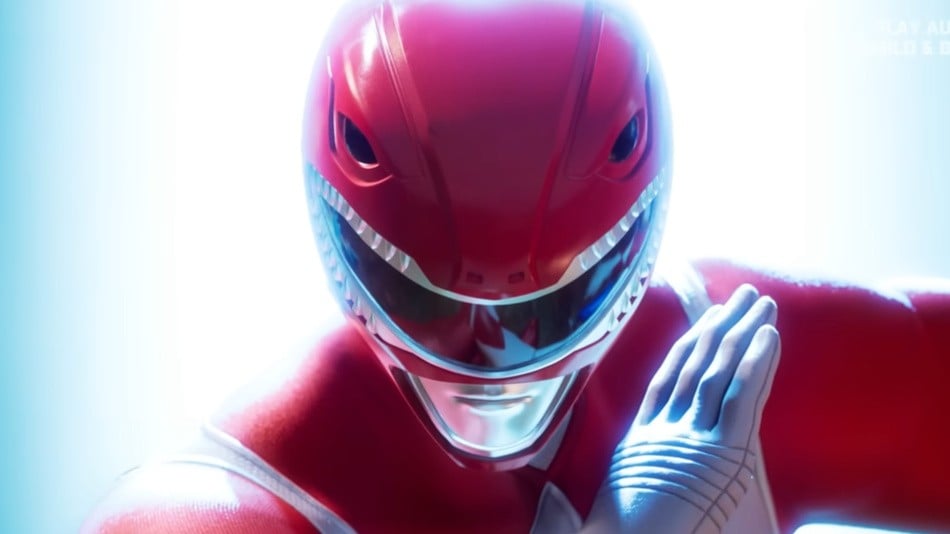
Notably, Capcom icons Ryu and Chun-Li join the fight as the Crimson Hawk and Blue Phoenix Rangers, a crossover that broadens the game's appeal to fighting game enthusiasts.
New features include cross-generational voice acting, with select actors from the Power Rangers TV canon lending authenticity to the cast.
Story mode contributions from the writers of the Power Rangers comic book series provide an enriching single-player journey, while the online lobby system lets up to eight players battle or spectate, fostering a thriving community scene.
Accessibility remains a hallmark of the gameplay.
While new players can rely on simple attack buttons combined with intuitive special moves, veteran fighting game fans will appreciate more detailed mechanics and the potential for advanced combos.
Returning move inputs for Ryu and Chun-Li, including their traditional quarter-circle and charge attacks, also honor their Capcom legacy.
Battle for the Grid – Super Edition further distinguishes itself through its rollback netcode and truly universal crossplay—enabling seamless multiplayer across Nintendo Switch, PlayStation, Xbox, PC, and Stadia.
The netcode consistently delivers smooth online matches, a notable achievement in the fighting genre, which is often plagued by latency and connection issues.
Though some may wish for additional features like a "Burst" or dedicated combo breaker, the comprehensive tutorial mode and practice lobbies provide ample training grounds for both beginners and experts.
Visually, the game runs at a reliable 60 frames per second on Nintendo Switch, retaining sharp animation quality and dynamic, tension-filled fights.
Despite operating under a tighter budget than genre leaders like Street Fighter V and Mortal Kombat 11, nWay has expertly crafted a distinctive art style that honors the Power Rangers’ heritage—from the character suits to the city-stomping Megazord attacks.
In summary, Power Rangers: Battle for the Grid – Super Edition exemplifies how a dedicated post-launch roadmap and expert fighting game direction can reshape expectations.
Whether acquired via the eShop or physical release, it stands as one of the most versatile, fun, and technically sound fighting games available on Nintendo Switch today.
With its competitive features, expanded content, and genuine community spirit, Super Edition earns its place as a must-play for Power Rangers fans and fighting game aficionados alike.
When Power Rangers: Battle for the Grid first launched in 2019, its arrival on the Nintendo Switch and other platforms was met with cautious optimism.
Developed by nWay, the game defied expectations by promising a competitive three-on-three fighter inspired by genre mainstays, but its core gameplay was quickly overshadowed by a meager launch content offering and an unfinished presentation.
Fast forward to the release of Power Rangers: Battle for the Grid – Super Edition, and fans have witnessed an impressive transformation that's turned the title into one of the Switch's most robust fighting game experiences.
The combat at the heart of Battle for the Grid is the product of expert direction.
Daniel "Clockw0rk" Maniago, a renowned figure in the Marvel vs. Capcom competitive scene, led development as the primary combat designer, with support from elite players like Justin Wong.
Their influence is unmistakable in the game’s nuanced fighting mechanics.
While initial release versions suffered from a clear lack of polish, Super Edition brings together a host of quality-of-life upgrades, post-launch DLC, and balance changes that collectively enhance every aspect of gameplay.
"The game's foundational mechanics showcased impressive potential from day one," said one of the developers in published statements, "but it took time to deliver the level of content and polish the community deserved." Now, Battle for the Grid – Super Edition delivers on that early promise.
All major post-release DLC Fighter Packs are included, substantially raising the playable roster from an initial nine characters up to a formidable 23.
Notably, Capcom icons Ryu and Chun-Li join the fight as the Crimson Hawk and Blue Phoenix Rangers, a crossover that broadens the game's appeal to fighting game enthusiasts.
New features include cross-generational voice acting, with select actors from the Power Rangers TV canon lending authenticity to the cast.
Story mode contributions from the writers of the Power Rangers comic book series provide an enriching single-player journey, while the online lobby system lets up to eight players battle or spectate, fostering a thriving community scene.
Accessibility remains a hallmark of the gameplay.
While new players can rely on simple attack buttons combined with intuitive special moves, veteran fighting game fans will appreciate more detailed mechanics and the potential for advanced combos.
Returning move inputs for Ryu and Chun-Li, including their traditional quarter-circle and charge attacks, also honor their Capcom legacy.
Battle for the Grid – Super Edition further distinguishes itself through its rollback netcode and truly universal crossplay—enabling seamless multiplayer across Nintendo Switch, PlayStation, Xbox, PC, and Stadia.
The netcode consistently delivers smooth online matches, a notable achievement in the fighting genre, which is often plagued by latency and connection issues.
Though some may wish for additional features like a "Burst" or dedicated combo breaker, the comprehensive tutorial mode and practice lobbies provide ample training grounds for both beginners and experts.
Visually, the game runs at a reliable 60 frames per second on Nintendo Switch, retaining sharp animation quality and dynamic, tension-filled fights.
Despite operating under a tighter budget than genre leaders like Street Fighter V and Mortal Kombat 11, nWay has expertly crafted a distinctive art style that honors the Power Rangers’ heritage—from the character suits to the city-stomping Megazord attacks.
In summary, Power Rangers: Battle for the Grid – Super Edition exemplifies how a dedicated post-launch roadmap and expert fighting game direction can reshape expectations.
Whether acquired via the eShop or physical release, it stands as one of the most versatile, fun, and technically sound fighting games available on Nintendo Switch today.
With its competitive features, expanded content, and genuine community spirit, Super Edition earns its place as a must-play for Power Rangers fans and fighting game aficionados alike.