
Super Mario 64 Native Dreamcast Port Now Available, Marking a Milestone for Fan-Led Development
Super Mario 64, the celebrated Nintendo 64 launch title that revolutionized 3D platforming, continues to inspire new generations of developers and fans.
In an impressive showcase of community-driven technical achievement, a native port of Super Mario 64 for the Sega Dreamcast hardware is now officially available.
Spearheaded by developer jnmartin and supported by Dreamcast homebrew veteran falco_girgis, this release marks a significant milestone in the ongoing effort to bring classic titles to new—and often unexpected—platforms.
Originally released alongside the Nintendo 64 in 1996, Super Mario 64 set new industry benchmarks for 3D gameplay, camera systems, and open-world exploration.
Its influence remains visible today, not only through official re-releases on platforms such as Nintendo DS and Nintendo Switch—including services like Nintendo Switch Online and the eShop—but also through the work of dedicated fans who port the game to previously unsupported systems.
The Dreamcast port, which arrived on January 9th, 2026, is a testament to ongoing enthusiasm for both the title and Sega’s beloved hardware.
Utilizing the latest GCC 14.1.0 toolchain, as well as advancements in the popular KallistiOS development environment and the GLdc graphics library, the development team achieved smooth, native performance on the Dreamcast.
While some technical issues persist—including audio glitches and minor rendering artifacts—early demonstrations highlight remarkable gameplay fidelity.
“The performance is outstanding, though there are still some graphical and audio challenges needing attention,” explained falco_girgis.
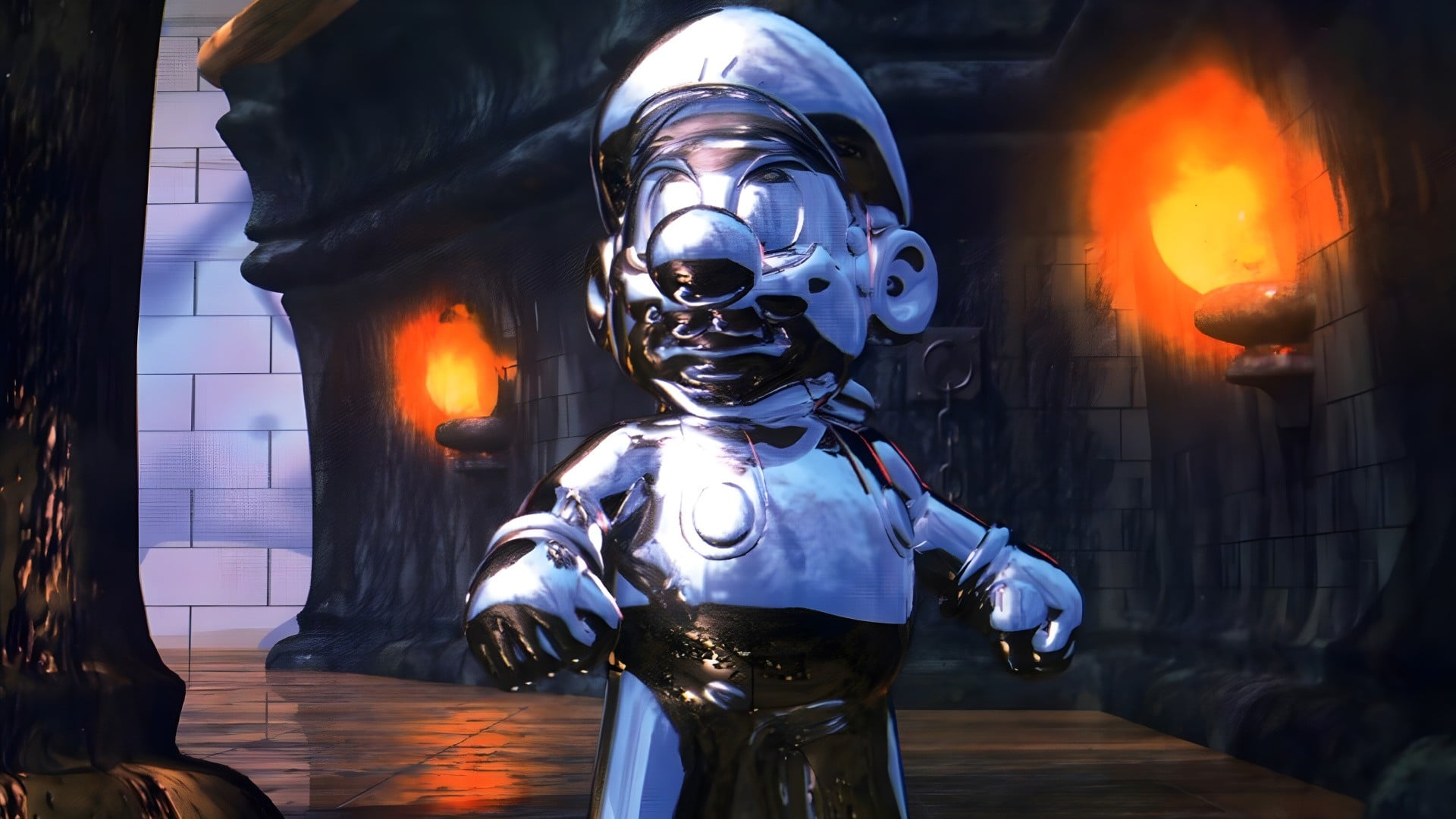
He added, in characteristic humor, that Mario’s appearance might be rough but still surpasses the visuals of the original Nintendo 64 version.
Super Mario 64’s enduring appeal is evident in its active porting scene.
Past projects have brought the game to platforms such as the Nintendo DS and Nintendo Switch, solidifying its place in gaming history.
Remarkably, development is even underway to bring Super Mario 64 to the Game Boy Advance, showcasing the extent of the community’s technical prowess and passion for preservation.
The release of the native Dreamcast port not only honors the ongoing influence of Nintendo’s legendary platformer but also demonstrates the capabilities of open-source development tools and the ingenuity of the fan community.
As Super Mario 64 finds renewed life on the Sega Dreamcast—a hardware icon in its own right—this project underlines the timeless nature of classic video games and the collaborative spirit that drives innovation in the gaming industry.
Super Mario 64, the celebrated Nintendo 64 launch title that revolutionized 3D platforming, continues to inspire new generations of developers and fans.
In an impressive showcase of community-driven technical achievement, a native port of Super Mario 64 for the Sega Dreamcast hardware is now officially available.
Spearheaded by developer jnmartin and supported by Dreamcast homebrew veteran falco_girgis, this release marks a significant milestone in the ongoing effort to bring classic titles to new—and often unexpected—platforms.
Originally released alongside the Nintendo 64 in 1996, Super Mario 64 set new industry benchmarks for 3D gameplay, camera systems, and open-world exploration.
Its influence remains visible today, not only through official re-releases on platforms such as Nintendo DS and Nintendo Switch—including services like Nintendo Switch Online and the eShop—but also through the work of dedicated fans who port the game to previously unsupported systems.
The Dreamcast port, which arrived on January 9th, 2026, is a testament to ongoing enthusiasm for both the title and Sega’s beloved hardware.
Utilizing the latest GCC 14.1.0 toolchain, as well as advancements in the popular KallistiOS development environment and the GLdc graphics library, the development team achieved smooth, native performance on the Dreamcast.
While some technical issues persist—including audio glitches and minor rendering artifacts—early demonstrations highlight remarkable gameplay fidelity.
“The performance is outstanding, though there are still some graphical and audio challenges needing attention,” explained falco_girgis.
He added, in characteristic humor, that Mario’s appearance might be rough but still surpasses the visuals of the original Nintendo 64 version.
Super Mario 64’s enduring appeal is evident in its active porting scene.
Past projects have brought the game to platforms such as the Nintendo DS and Nintendo Switch, solidifying its place in gaming history.
Remarkably, development is even underway to bring Super Mario 64 to the Game Boy Advance, showcasing the extent of the community’s technical prowess and passion for preservation.
The release of the native Dreamcast port not only honors the ongoing influence of Nintendo’s legendary platformer but also demonstrates the capabilities of open-source development tools and the ingenuity of the fan community.
As Super Mario 64 finds renewed life on the Sega Dreamcast—a hardware icon in its own right—this project underlines the timeless nature of classic video games and the collaborative spirit that drives innovation in the gaming industry.


