The Game Boy Advance (GBA) has long been celebrated as a classic Nintendo handheld, acclaimed for its impressive 2D library and iconic titles.
However, the handheld’s technical constraints—particularly its limited memory and lack of 3D graphics acceleration—meant it was never expected to handle fully 3D experiences like those found on contemporaries such as the PlayStation 1.
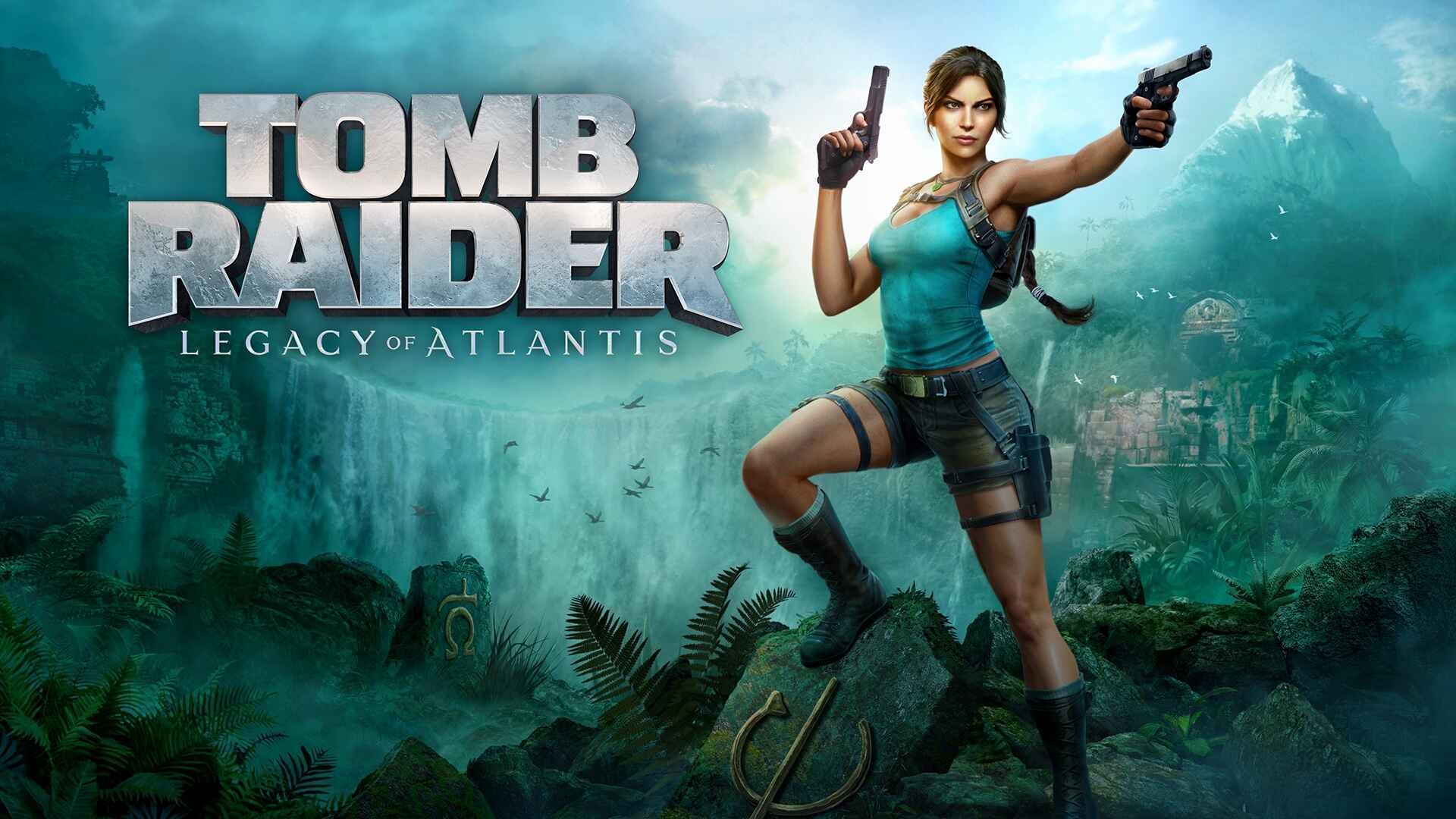
Yet recent developments in the retro gaming community have pushed these boundaries, delivering a remarkable achievement: the original Tomb Raider, complete with 3D graphics, now runs on the Game Boy Advance.
This technological feat was made possible through the OpenLara project, an open-source initiative that seeks to reverse-engineer and modernize the classic Tomb Raider experience for a wide range of platforms.
While OpenLara originally focused on upscaling and enhancing Lara Croft’s iconic adventure for newer hardware, the project has since expanded its goals significantly.
Its latest milestone comes courtesy of developer XProgger, who undertook the challenge of adapting the Tomb Raider engine to operate within the severe memory and hardware limitations of the GBA.
According to detailed reports from the OpenLara community, XProgger essentially reconstructed the game’s engine from the ground up, aiming to replicate the spirit and gameplay of the original 1996 release as authentically as possible.
The end result is a fully playable version of Tomb Raider on the Game Boy Advance hardware—a staggering accomplishment given that the GBA features just one-eighth the RAM of the PlayStation 1.
While the game's frame rate and visual fidelity are understandably reduced when compared to its console counterparts, the core gameplay remains intact and impressively smooth considering the device’s age and capabilities.
In a rewritten statement summarizing the OpenLara project's achievement, XProgger emphasized the dedication involved: "We set out to preserve what made the original Tomb Raider memorable, even when working with a fraction of the original resources.
The fact that players can now experience a foundational 3D adventure on Nintendo's beloved handheld speaks to the power of passionate game development and community-driven innovation."
The OpenLara project not only highlights the enduring legacy of Tomb Raider, but also demonstrates what can be achieved through inventive programming and a love for classic gaming.
With this new GBA port, fans and developers alike are reminded of the platform’s untapped potential and the thriving community still pushing its boundaries.
Those interested in the technical aspects and in trying the port for themselves can follow the ongoing development via the OpenLara project's channels.
As OpenLara continues to break new ground, the prospect of further ambitious ports on vintage hardware remains bright—affirming the Game Boy Advance’s place in gaming history and the continued relevance of creative, independent game development.
However, the handheld’s technical constraints—particularly its limited memory and lack of 3D graphics acceleration—meant it was never expected to handle fully 3D experiences like those found on contemporaries such as the PlayStation 1.
Yet recent developments in the retro gaming community have pushed these boundaries, delivering a remarkable achievement: the original Tomb Raider, complete with 3D graphics, now runs on the Game Boy Advance.
This technological feat was made possible through the OpenLara project, an open-source initiative that seeks to reverse-engineer and modernize the classic Tomb Raider experience for a wide range of platforms.
While OpenLara originally focused on upscaling and enhancing Lara Croft’s iconic adventure for newer hardware, the project has since expanded its goals significantly.
Its latest milestone comes courtesy of developer XProgger, who undertook the challenge of adapting the Tomb Raider engine to operate within the severe memory and hardware limitations of the GBA.
According to detailed reports from the OpenLara community, XProgger essentially reconstructed the game’s engine from the ground up, aiming to replicate the spirit and gameplay of the original 1996 release as authentically as possible.
The end result is a fully playable version of Tomb Raider on the Game Boy Advance hardware—a staggering accomplishment given that the GBA features just one-eighth the RAM of the PlayStation 1.
While the game's frame rate and visual fidelity are understandably reduced when compared to its console counterparts, the core gameplay remains intact and impressively smooth considering the device’s age and capabilities.
In a rewritten statement summarizing the OpenLara project's achievement, XProgger emphasized the dedication involved: "We set out to preserve what made the original Tomb Raider memorable, even when working with a fraction of the original resources.
The fact that players can now experience a foundational 3D adventure on Nintendo's beloved handheld speaks to the power of passionate game development and community-driven innovation."
The OpenLara project not only highlights the enduring legacy of Tomb Raider, but also demonstrates what can be achieved through inventive programming and a love for classic gaming.
With this new GBA port, fans and developers alike are reminded of the platform’s untapped potential and the thriving community still pushing its boundaries.
Those interested in the technical aspects and in trying the port for themselves can follow the ongoing development via the OpenLara project's channels.
As OpenLara continues to break new ground, the prospect of further ambitious ports on vintage hardware remains bright—affirming the Game Boy Advance’s place in gaming history and the continued relevance of creative, independent game development.