
Rebecca Heineman, a trailblazer in video game development and a founding member of Interplay, is confronting a life-changing diagnosis as she enters a new, challenging stage in her fight against cancer.
With a celebrated career spanning decades, Heineman’s influence on classic computer and console titles remains unparalleled, and her health crisis has sparked a wave of support from across the industry.
Heineman, who began her career as a video game prodigy by winning the 1980 Space Invaders National Championship, quickly transitioned from champion to creator.
She broke into the industry as a programmer, even reverse-engineering the Atari 2600’s code in her teens.
As her career progressed, she contributed to influential publications like Electronic Games and later entered the game development sphere through Avalon Hill.
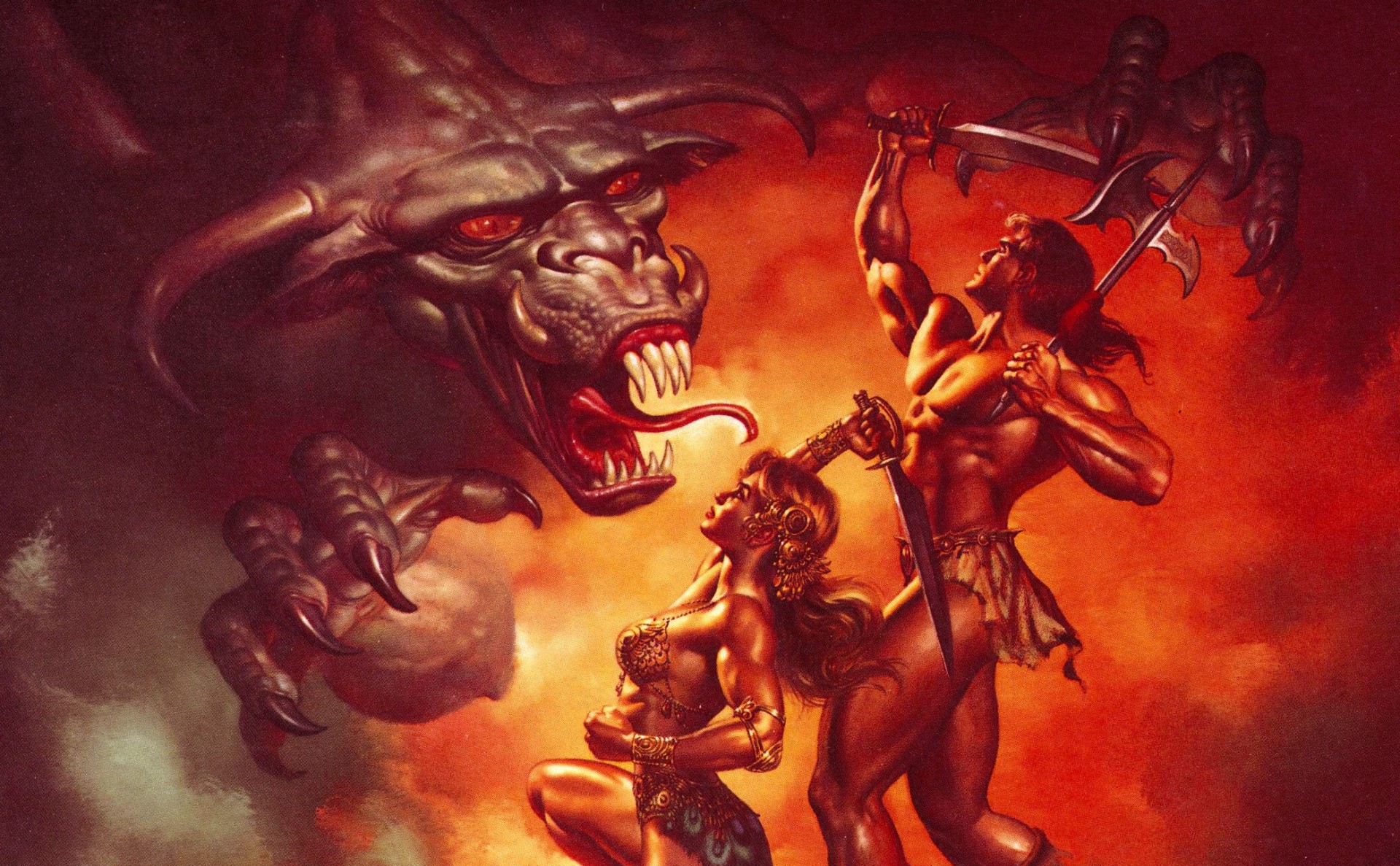
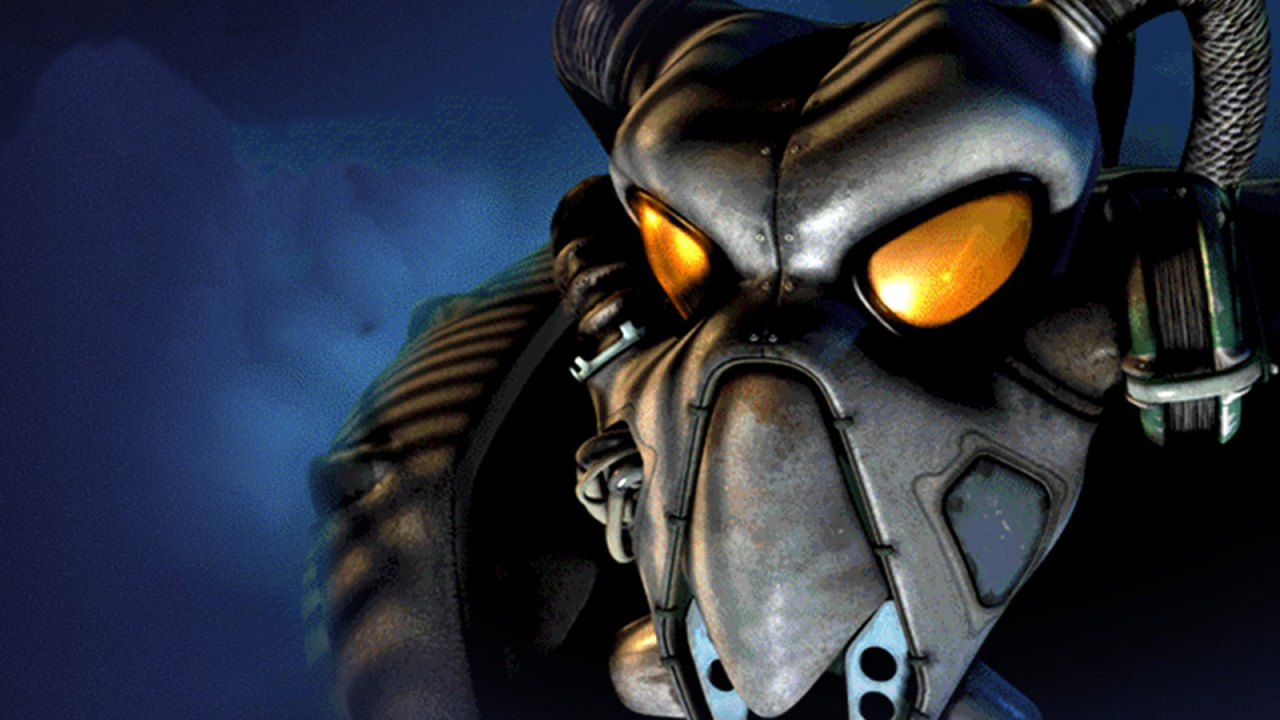
Her role as a co-founder at Interplay led to the design of acclaimed titles such as Bard’s Tale III: Thief of Fate, Dragon Wars, Tass Times in Tonetown, Borrowed Time, and Mindshadow.
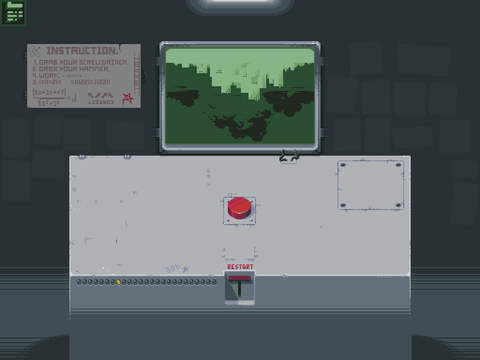
Over the years, Heineman established companies like Logicware and Contraband Entertainment, heading projects to port significant games, including Out of This World and Jazz Jackrabbit 2, onto platforms like the Nintendo Switch.
This year marks a heartbreaking chapter in Heineman’s story.
In September, she shared on social media the difficult news that her health was in jeopardy, following months of respiratory issues and hospital tests.
Subsequent scans confirmed the presence of cancer in her liver and lungs.
The diagnosis follows the loss of her wife, Jennell Jaquays, a year ago to Guillain-Barré syndrome, compounding an already challenging period.
To help offset the mounting medical expenses not covered by insurance, Heineman launched a GoFundMe campaign with a $50,000 goal.
The response from the community has been overwhelming, with contributions nearing 97% of the target at the time of writing.
In her latest update, Heineman announced that, based on her doctors’ recommendations, further cancer treatments have been deemed ineffective.
She requested continued support so her family could honor her legacy and create a meaningful tribute, referencing her cherished keyboard, Pixelbreaker, and her hope for a poignant reunion with her late wife Jennell.
Tributes from gaming industry leaders and institutions have poured in.
Frank Cifaldi of the Video Game History Foundation fondly reflected on Heineman’s unwavering support at events like PAX, describing her as a pillar of the community.
Andrew Borman from The Strong National Museum of Play emphasized that Heineman’s personal warmth would never be forgotten, beyond her professional achievements.
Neil Thomas of The Cave highlighted the lasting impact of her shared experiences, noting her influence will inspire generations.
Rebecca Heineman’s journey from the earliest days of gaming to her illustrious contributions as a programmer, designer, and studio founder has indelibly shaped the industry.
As the community continues to rally through the GoFundMe campaign, Heineman’s enduring commitment to creative excellence and mentorship is celebrated worldwide on platforms from Nintendo Switch to PC and beyond.
With a celebrated career spanning decades, Heineman’s influence on classic computer and console titles remains unparalleled, and her health crisis has sparked a wave of support from across the industry.
Heineman, who began her career as a video game prodigy by winning the 1980 Space Invaders National Championship, quickly transitioned from champion to creator.
She broke into the industry as a programmer, even reverse-engineering the Atari 2600’s code in her teens.
As her career progressed, she contributed to influential publications like Electronic Games and later entered the game development sphere through Avalon Hill.
Her role as a co-founder at Interplay led to the design of acclaimed titles such as Bard’s Tale III: Thief of Fate, Dragon Wars, Tass Times in Tonetown, Borrowed Time, and Mindshadow.
Over the years, Heineman established companies like Logicware and Contraband Entertainment, heading projects to port significant games, including Out of This World and Jazz Jackrabbit 2, onto platforms like the Nintendo Switch.
This year marks a heartbreaking chapter in Heineman’s story.
In September, she shared on social media the difficult news that her health was in jeopardy, following months of respiratory issues and hospital tests.
Subsequent scans confirmed the presence of cancer in her liver and lungs.
The diagnosis follows the loss of her wife, Jennell Jaquays, a year ago to Guillain-Barré syndrome, compounding an already challenging period.
To help offset the mounting medical expenses not covered by insurance, Heineman launched a GoFundMe campaign with a $50,000 goal.
The response from the community has been overwhelming, with contributions nearing 97% of the target at the time of writing.
In her latest update, Heineman announced that, based on her doctors’ recommendations, further cancer treatments have been deemed ineffective.
She requested continued support so her family could honor her legacy and create a meaningful tribute, referencing her cherished keyboard, Pixelbreaker, and her hope for a poignant reunion with her late wife Jennell.
Tributes from gaming industry leaders and institutions have poured in.
Frank Cifaldi of the Video Game History Foundation fondly reflected on Heineman’s unwavering support at events like PAX, describing her as a pillar of the community.
Andrew Borman from The Strong National Museum of Play emphasized that Heineman’s personal warmth would never be forgotten, beyond her professional achievements.
Neil Thomas of The Cave highlighted the lasting impact of her shared experiences, noting her influence will inspire generations.
Rebecca Heineman’s journey from the earliest days of gaming to her illustrious contributions as a programmer, designer, and studio founder has indelibly shaped the industry.
As the community continues to rally through the GoFundMe campaign, Heineman’s enduring commitment to creative excellence and mentorship is celebrated worldwide on platforms from Nintendo Switch to PC and beyond.